
Pruning
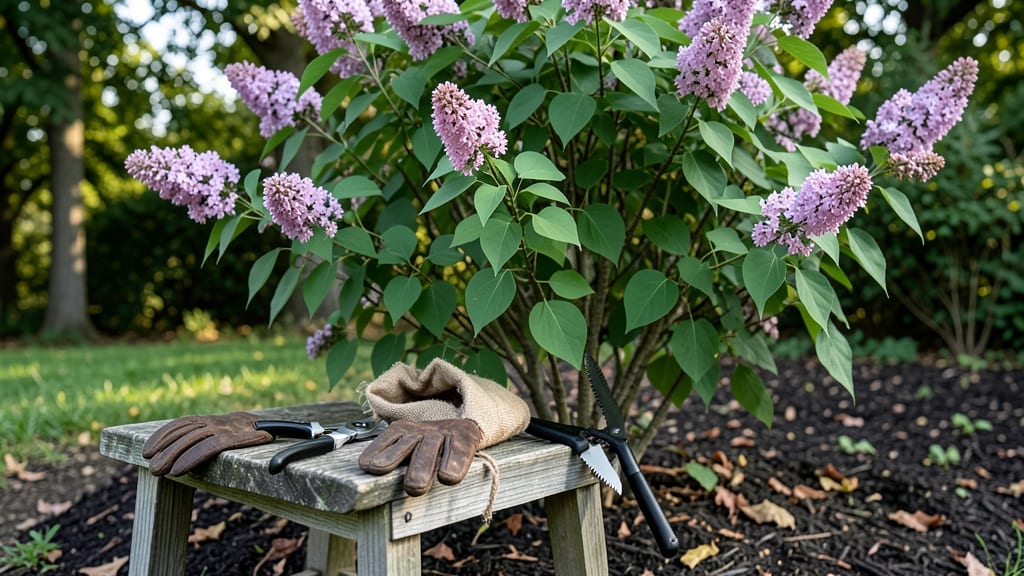
Pruning lilacs in spring isn't just about tidying up—it's the secret to next year's showstopping blooms. 🌸 I've watched my own lilacs go from sparse, leggy bushes to lush, flowering powerhouses after mastering this late-winter technique.
The key is timing: wait until after the first flush of flowers falls, but before the buds swell too much.
You'll need sharp pruning shears, a bucket for clippings, and about 30 minutes for the average-sized bush. The goal is to remove one-third of last year's growth—those older stems won't produce many flowers anyway.
Look for woody stems thicker than a pencil that are no longer flexible; those are your targets. New growth is thinner and still green, which you'll preserve for next year's blooms.
After pruning, your lilac will look like it's taking a breath—literally. New shoots will emerge within 2-3 weeks, and by next spring, you'll have more flowers than you've ever seen on the same bush.
The key is to avoid cutting into the green growth; those are the buds that will become next year's blossoms. A little blood (and maybe a few choice words) from a misplaced cut is normal—every pruner's been there.
This method works for both old-fashioned lilacs and modern hybrids, though dwarf varieties need less aggressive pruning. The best part? You'll transform that messy bush into a neighborhood conversation piece with minimal effort. Here's how to do it right the first time.
📚 In This Guide
- What you need
- Instructions
- Tips and common mistakes
- Wrapping up and next steps
What you need
- ● Pruning shears or loppers: Bypass pruners (for small stems, ½-inch thick or less)
- ● Loppers (for thicker branches, ½-inch to 2-inches thick)
- ● Quantity: 1 pair of each (or 1 high-quality lopper if multi-tasking)
- ● Pruning saw: For stubborn, woody stems over 2-inches thick (1 unit)
- ● Disinfectant (rubbing alcohol or bleach solution): To clean tools between cuts and prevent disease (small spray bottle or cloth)
- ● Garden gloves: Heavy-duty, cut-resistant (1 pair) for protection
- ○ Garden twine or bungee cords: To tie up branches for easier access (optional but helpful for large shrubs)
- ● Trash bags or compost bin: For clippings (avoid composting diseased branches)
- ● Hand pruners with a bypass blade: For precision cuts on delicate stems (1 pair)
- ● Ladder or step stool: For reaching tall lilacs (3-6 feet or higher)
- ● Sharpie or marking pen: To label branches if you’re doing major structural pruning
- ● Safety glasses: Protect your eyes from debris (1 pair)
Step-by-step guide to pruning lilacs in spring
Here's my foolproof method for rejuvenating your lilacs—timing and technique matter more than you think.
✂️ Step 1: Time Your Pruning Perfectly
Wait until after blooms fade but before new growth hardens—typically 2-4 weeks after flowering. This means you'll prune in late April to early May in most climates. If you prune too early, you'll cut off next year's buds hidden in last year's wood. If you wait too long, the plant wastes energy on new growth instead of storing for next spring.
Look for browned, spent blooms that have dropped naturally. The ideal moment is when new leaf buds swell but haven't yet broken open. Snap a few stems—if they bend without snapping, you're ready. If they're brittle, wait a week or two.
✂️ Step 2: Remove Dead or Weak Wood First
Start by cutting out any dead, diseased, or crossing branches at their base. Use clean, sharp pruners (sterilize with rubbing alcohol between cuts). Dead wood is easy to spot—it's gray, hollow, or crumbly when snapped. Diseased branches may have black spots or ooze. Remove these first so you're not cluttering your workspace.
Next, identify weak or spindly branches growing inward or rubbing against others. These compete for energy and create entry points for pests. Cut these back to the main stem at a 45-degree angle, leaving a small bump above an outward-facing bud. This prevents water from pooling and rotting the wound.
✂️ Step 3: Shape the Bush for Airflow and Light
Lilacs bloom on last year's wood, so avoid heavy pruning—never remove more than one-third of the plant at once. Step back and visualize the shape: open-centered with branches spaced evenly. Start at the outer edges and work inward, cutting branches that spoil the natural vase shape.
For each cut, make your pruning cut just above a bud pointing outward or upward. This encourages new growth to fill gaps. Avoid leaving stubs—they invite disease. If a branch is too thick for hand pruners, use loppers or a pruning saw, but only cut at the branch collar (the swollen area where the branch meets the trunk).
✂️ Step 4: Thin Out Crowded Centers
The heart of the lilac is where most problems hide—poor airflow, crowded stems, and trapped moisture. Focus here by selectively removing older branches from the center. Start with the thinnest, oldest stems (they're the least productive). Cut them back to the main trunk or a strong lateral branch.
You'll know you're doing it right when you can see light through the center of the bush. Aim for a pyramid or vase shape with branches spreading outward. This isn't about perfection—lilacs are forgiving, but they reward intentional pruning with healthier growth and bigger blooms next year.
🪴 Step 5: Clean Up and Monitor Recovery
After pruning, rake up all clippings—don't leave them under the bush. Lilac leaves and stems can harbor borers or fungal spores that reinfect the plant. Dispose of them in the trash (not compost) or burn them if possible. Wipe down your pruners with rubbing alcohol to prevent spreading disease.
Water the base of the plant deeply to help it recover. You'll see new leaf buds within 2-3 weeks. Avoid fertilizing right after pruning—let the plant focus on healing first. By mid-summer, you should notice stronger stems and fewer bare spots in the canopy.
Tips & tricks for pruning lilacs like a pro
Timing and technique are everything when it comes to bringing back your lilacs' glory—here's what I've learned after years of trial and error.
Timing Secret: The 2-4 week window after flowering is your sweet spot. I can't stress this enough—prune too early and you'll sacrifice next year's blooms, which form on last year's wood. Too late, and you're forcing the plant to divert energy to new growth instead of storing it for spring. Look for those spent blooms that have naturally dropped and leaf buds that are swollen but haven't broken open yet. That's your cue!
Tool Upgrade: Your pruners are your most important tool, so invest in quality ones. I use bypass pruners for clean cuts on smaller branches and loppers for thicker stems. Sterilize them with rubbing alcohol between cuts—this prevents spreading disease from branch to branch. And here's a pro move: sharpen your tools before you start. Dull blades tear wood, inviting infections.
Shape Strategy: When shaping your lilac, think "open center" and "light penetration." That means cutting branches that are growing inward or crossing others to create that beautiful vase shape. Always cut just above an outward-facing bud—this directs new growth where you want it. And remember the one-third rule: never remove more than one-third of the plant at once. Lilacs are tough, but they'll thank you for this consideration.
Recovery Hack: After pruning, give your lilac a deep watering to help it recover. You'll notice new leaf buds appearing within 2-3 weeks. Here's what I do next: I avoid fertilizing for at least 6 weeks. The plant needs to focus on healing and establishing new roots before putting energy into leaves and flowers. By mid-summer, you should see stronger stems and fewer bare spots—proof that your pruning paid off!
Pro Tips for Pruning Lilacs In Spring
- Timing and technique are everything when it comes to bringing back your lilacs' glory—here's what I've learned after years of trial and error.
- Timing Secret: The 2-4 week window after flowering is your sweet spot.
- Tool Upgrade: Your pruners are your most important tool, so invest in quality ones.
Frequently asked questions
Got questions about pruning lilacs in spring? You’re not alone! Here are some of the most common concerns—and their answers—to help you tackle this task with confidence.
When is the exact best time to prune lilacs in spring?
Prune lilacs right after they finish blooming—typically between late May and early June, depending on your climate. If you prune too early (before buds form), you’ll miss next year’s flowers. If you wait too long, you risk encouraging new growth that won’t harden off before winter. Pro tip: Watch for spent blooms to drop before grabbing your shears!
What if I prune lilacs at the wrong time?
Pruning at the wrong time won’t kill your lilacs, but it will affect their blooms. Pruning in late winter (before buds swell) removes next year’s flowers. Pruning after mid-summer can lead to weak, late-season growth that may not survive frost. If you’ve already pruned too early, don’t stress—just focus on light shaping this year and reset your schedule for next spring.
Can I prune lilacs in early spring (before blooms appear)?
Yes, but only for heavy shaping or rejuvenation. If your lilac is overgrown or leggy, you can prune back 1/3 of the oldest stems to the ground in early spring (February–March). This encourages new growth but will delay or reduce blooms that year. For most lilacs, though, waiting until after flowering is the safest bet.
What if my lilac didn’t bloom this year after pruning?
No blooms? Don’t panic! Lilacs need 6–8 weeks of cool weather to set flower buds. If you pruned too late (after mid-June), new growth may not have matured enough to bloom next year. Fix it: Avoid heavy pruning next spring, and fertilize lightly in early fall to encourage bud formation. Patience is key—healthy lilacs often rebound in 2–3 years!
Do I need special tools to prune lilacs?
Not necessarily! You’ll want clean, sharp bypass pruners (for small stems) and loppers (for thicker branches). A pruning saw helps with stubborn, woody stems. Disinfect tools with rubbing alcohol between cuts to prevent disease. No fancy tools? Even hand pruners work—just stay sharp and patient!
Wrapping up and next steps
Pruning lilacs in late winter or early spring isn’t just about tidying up—it’s your secret to vibrant, abundant blooms next season! 🌸 By removing old wood, improving airflow, and shaping your shrubs, you’re giving your lilacs the fresh start they deserve.
Remember, timing, sharp tools, and a steady hand are your best allies.
Now that you’re armed with the know-how, roll up those sleeves and get pruning! After you’ve trimmed, treat your lilacs to some love with a layer of mulch and a deep watering. Ready for next year’s showstopper blooms? You’ve got this! 🌿✨