
Plants
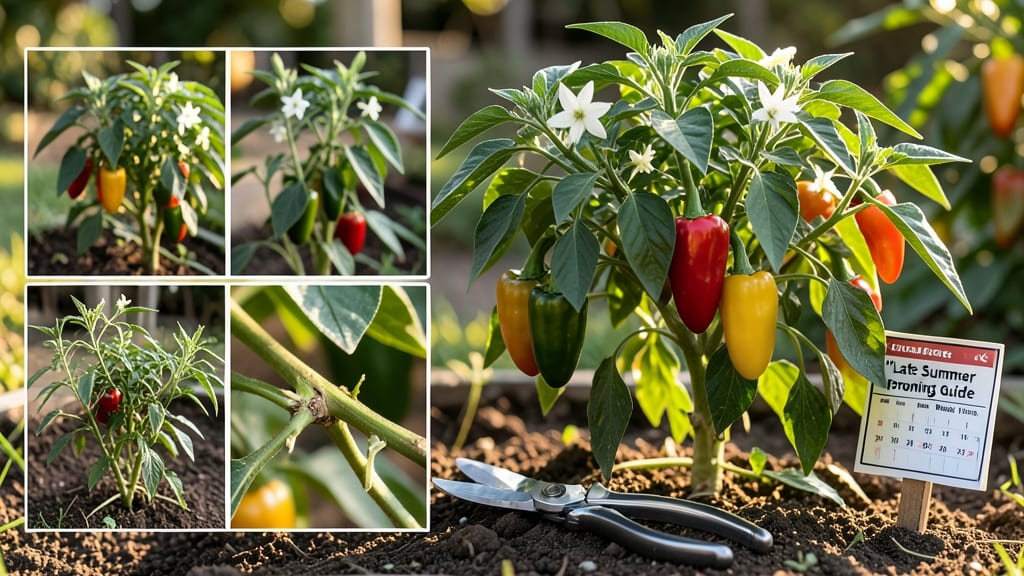
It’s too late to prune pepper plants 🌶️ once flower buds form or fruit begins setting, a moment that arrives faster than you think—especially in warmer zones.
Pruning pepper plants at the wrong time can slash your harvest by up to 50%—but how do you know when it’s too late to trim without risking your crop? The answer depends on growth stages, pepper varieties, and environmental factors.
For most gardeners in Zone 6a, the critical window closes by late June, when peppers shift from leafy growth to flowering. Miss this mark, and you risk stunted plants, fewer peppers, or even disease from exposed wounds.
Here’s how to spot the signs, adjust your timing by variety, and still salvage your harvest—even if you’ve already pushed the deadline.
Critical pruning deadlines by pepper plant growth stage
Pruning pepper plants is a delicate balance—cut too late, and you risk stunted growth or even reduced fruit production. The key is understanding your plant’s growth stage and variety-specific needs.
For most peppers, the vegetative stage (focused on leaf and stem growth) is the safest window for pruning. But once flower buds appear, you’ve entered the critical pruning deadline.
In short-season climates (USDA Zones 3-6), where frost threatens by late September, pruning must stop by mid-August to allow fruit to mature. Meanwhile, in long-season zones (7-10), you can prune until early October.
The difference? Heat and daylight—peppers need at least 60 days of warm weather to ripen after flowering.
Bell peppers are the most sensitive—prune too late, and you’ll sacrifice sweetness and size. Jalapeños and habaneros, however, tolerate later pruning because they focus energy on fruit production over size. Always check your seed packet guidelines for variety-specific deadlines.
| Growth Stage | Pruning Deadline | Variety Notes | Climate Adjustment |
|---|---|---|---|
| Vegetative (Seedlings to 12" tall) | Safe until flower buds appear | All varieties | No adjustment needed |
| Early Flowering (First buds visible) | Stop pruning immediately | Bell peppers (most sensitive) | Short seasons: 2 weeks earlier |
| Fruiting (Peppers 1-2" long) | No pruning allowed | Jalapeños/habaneros (tolerate light trimming) | Long seasons: Extend by 3 weeks |
| Late Season (Fruit ripening) | Never prune—focus on harvest | All varieties | Frost risk: Prune 60 days before first frost |
Here’s how to identify the pruning deadline in real time: Look for tiny white flower buds at leaf junctions. These signal the plant is shifting from growth to fruiting.
For bell peppers, this happens around 60 days after transplanting, while jalapeños may take 70-80 days. Use a magnifying glass if needed—early detection saves your harvest.
If you’re in a container garden, pruning deadlines are even stricter. Root systems are limited, so delayed pruning stresses plants faster. In pots, stop trimming by late July in most climates.
For greenhouse-grown peppers, extend deadlines by 2-3 weeks due to controlled conditions, but monitor light levels—low light accelerates stress from late pruning.
One common mistake? Pruning to control plant height after buds form. While tall peppers may look unruly, cutting stems risks reducing fruit set by 30-40%.
Instead, support plants with cages or stakes—this preserves energy for peppers. I’ve seen gardeners double their yield by skipping late pruning and focusing on structural support.
For organic gardeners, late pruning also disrupts beneficial insect habitats. Ladybugs and lacewings nest in pepper foliage—trim too late, and you lose natural pest control. If you’ve already pruned past the deadline, don’t panic.
Shift focus to nutrient-rich compost teas and stress-reducing mulch to help plants recover. Your remaining peppers will still thrive with proper care.
Pro tip: Use a growth stage journal to track pruning deadlines. Note the first flower bud date for each plant—this becomes your hard stop for trimming. In my garden, I mark this date on a calender with a red X to avoid accidental late pruning.
It’s a simple habit that’s saved me from wasted effort and disappointing harvests.
Remember, peppers are perennial in warm climates (Zones 9-11). If you prune too late in Zone 10 or 11, the plant may recover and fruit next year.
But in cooler zones, late pruning can kill the plant entirely before winter. Always prioritize fruit maturity over aesthetics—your dinner table will thank you.
🌶️
Signs your pepper plants are past the pruning window
Knowing when to stop pruning pepper plants is crucial—late pruning can stress your plants and reduce fruit production. The ideal time to prune is during the vegetative growth stage, before flower buds appear.
But how do you recognize when it's too late? Look for these key indicators that your plants have entered the flowering and fruiting phases.
One of the first signs is the appearance of flower buds along the stems or branches. These small, green or white clusters signal that your pepper plant is shifting its energy from leaf growth to fruit production.
If you see these buds, pruning can disrupt the plant's natural process and delay or reduce harvest.
Another clear indicator is the presence of small fruit set on your pepper plants. Even if the peppers are tiny—no bigger than a pencil eraser—pruning at this stage can cause the plant to drop existing fruit or slow down new growth.
This is especially true for heat-loving varieties like jalapeños and habaneros, which prioritize fruit development over foliage.
⚠️ Too Late to Prune: Critical Red Flags
- Flower buds forming on stems (pruning now stresses fruit development)
- Peppers already set (even tiny ones signal irreversible shift)
- Leaves turning yellow or brown (sign of nutrient diversion to fruit)
- Stems becoming woody or rigid (late-stage maturity)
Once these signs appear, pruning can reduce yields by 30-50% and weaken plant resilience.
Leaf color changes are another warning sign. If your pepper plant's leaves start turning yellow along the edges or develop brown spots, it’s likely redirecting nutrients to support fruit growth.
This is the plant’s way of telling you it’s no longer focused on vegetative growth—pruning at this stage can cause unnecessary stress and even stunt existing fruit.
Pay attention to the overall plant structure as well. If stems feel woody or rigid rather than flexible, your pepper plant has likely passed its ideal pruning window.
This rigidity is a natural part of the plant’s maturation process, and aggressive pruning can disrupt the balance between root, stem, and fruit development.
Finally, if your pepper plants show signs of stress after minor disturbances, like wilting or leaf drop when touched, they’re likely past the optimal pruning stage. This sensitivity indicates the plant is already diverting energy to fruit production, making it vulnerable to further damage from pruning.
When in doubt, wait until after harvest to prune your pepper plants. This gives them time to fully mature their fruit while minimizing stress. For next season, mark your calendar for early summer—typically 6-8 weeks after transplanting—as the last safe window for pruning most pepper varieties.