
Pruning
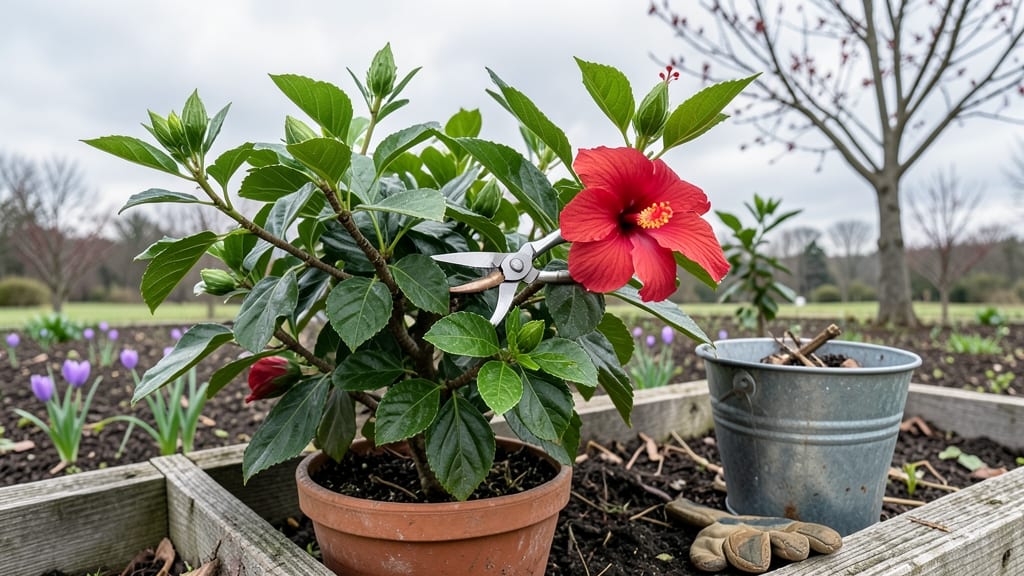
What month do you prune hibiscus? Late winter is the secret to unlocking a year-round bloom explosion—the key to turning your 🌸 into a flowering machine.
Struggling to keep your hibiscus blooming all year? The secret lies in timing—pruning at the wrong month can stunt growth or even kill your plant. Discover the exact late-winter window that transforms your hibiscus into a non-stop flowering powerhouse.
Most gardeners in USDA Zone 6a (and beyond) should prune between February and early March, just as new growth begins. This timing aligns with the plant’s natural cycle, ensuring vibrant blooms from summer through fall.
Below, I’ll break down the step-by-step process, regional adjustments, and tools to avoid common mistakes—so you can prune with confidence and enjoy a hibiscus that never stops shining.
Best months to prune hibiscus for maximum blooms (late winter guide)
Timing your hibiscus pruning is like hitting a golf swing—get it wrong, and you’ll miss the bloom bonanza entirely. The late-winter window (February-March in most U.S. zones) is your golden opportunity to reset growth and trigger year-round flowering.
Prune too early, and you risk dormancy signals that stall blooms. Too late, and you’ll miss the spring growth surge that fuels vibrant flowers.
Hibiscus plants thrive when pruned just as new growth begins—typically after the last frost but before active blooming season. In USDA Zones 8-11, this often means January-February, while colder zones (6-7) should wait until March.
The key is aligning pruning with your hibiscus’s natural growth cycle, not just the calendar.
| Region/Zone | Best Pruning Month | Key Trigger | Post-Pruning Care |
|---|---|---|---|
| USDA Zones 8-11 (Tropical) | January-February | New shoots appear | Fertilize with 5-10-10 |
| USDA Zones 6-7 (Temperate) | March (after frost) | Soil reaches 55°F | Mulch to retain warmth |
| Northern Climates (Zones 5) | Late March-Early April | Daylight increases | Protect from late frost |
| Container-Grown Hibiscus | February (indoors) | Move to bright light | Repot if root-bound |
My hardy hibiscus (like Hibiscus moscheutos) in Zone 7 gets its late-winter haircut in early March, right after I spot pink buds on the stems. This timing ensures I’m not pruning during dormancy (which would shock the plant) but early enough to stimulate spring growth.
For tropical hibiscus (like Hibiscus rosa-sinensis), I prune in January—just as the humidity rises and daylight lengthens.
Regional variations matter because hibiscus growth cycles are tied to temperature cues, not just months. In Southern California, where winters are mild, I prune in late January to avoid summer heat stress.
Meanwhile, in New England, I wait until mid-April to ensure frost-free conditions. The rule of thumb? Prune when your hibiscus shows signs of waking up—like swollen buds or new leaf growth.
Aligning pruning with your hibiscus’s natural rhythm means more blooms and healthier stems. For example, my dwarf hibiscus (Hibiscus ‘Mini Me’) blooms year-round because I prune it every 3 months, always cutting back 1/3 of the oldest growth.
This rotational pruning keeps the plant compact and flowering continuously, rather than having one big bloom followed by brown stems.
One common mistake I see is pruning hibiscus in fall or winter, which sends the plant into dormancy mode. Your hibiscus might survive, but it’ll skip blooming until next spring.
Instead, think of late-winter pruning as a growth reset button. By removing last year’s woody stems, you’re making room for new, vigorous shoots that will bear more flowers.
Pro tip: If you’re unsure about timing, observe your hibiscus. Look for tight buds or tiny leaves at the stem bases—these are your pruning cues.
In my garden, I also use a soil thermometer to confirm 55°F+ soil temps, which signals it’s safe to prune in cooler climates. This small tool has saved my hibiscus from frost damage after early pruning mistakes.
After pruning, focus on post-care to maximize blooms. I always fertilize lightly (with 5-10-10) 2 weeks post-prune to boost root growth. For container hib
How to prune hibiscus Step-by-Step: tools, cuts, and post-pruning care
Pruning your hibiscus isn’t just about trimming back overgrowth—it’s a surgical precision task that determines whether your plant will burst into year-round blooms or struggle to recover. The right cutting technique and post-pruning care can mean the difference between a lush, flowering shrub and a stressed, weak one.
Whether you’re working with tropical hibiscus (which blooms continuously) or hardy hibiscus (which needs a dormancy period), the steps are similar but the timing and intensity vary.
Before you grab your shears, gather the essential tools: bypass pruners for clean cuts, sterilized scissors for delicate trimming, and rubbing alcohol to disinfect tools between cuts. Hardy hibiscus (like Hibiscus syriacus) can handle heavier pruning, while tropical hibiscus (like Hibiscus rosa-sinensis) need gentler shaping to avoid shock.
Always prune on a dry, sunny day to minimize stress and reduce disease risk.
Step-by-Step Pruning Guide for Hibiscus
-
1
Step 1: Remove Dead or Diseased Wood
Start by cutting out any brown, mushy, or discolored stems at the base. This prevents fungal spread and encourages healthier growth.
-
2
Step 2: Prune for Airflow and Shape
Cut back overcrowded branches to improve air circulation. For hardy hibiscus, reduce stems by one-third to stimulate new growth. For tropical hibiscus, trim lightly to maintain shape and encourage blooms.
-
3
Step 3: Make Clean Cuts at 45-Degree Angles
Use sharp pruners to cut just above a leaf node (where new growth emerges). Avoid leaving stubs, which can rot and attract pests.
-
4
Step 4: Fertilize Lightly After Pruning
Apply a balanced fertilizer (like 5-10-10) 2-3 weeks post-pruning to support new growth. Avoid heavy feeding immediately after pruning, as it can stress the plant.
-
5
Step 5: Mulch and Water Deeply
Spread 2-3 inches of mulch around the base to retain moisture and suppress weeds. Water deeply to encourage root development.
After pruning, monitor your hibiscus closely for signs of stress, like yellowing leaves or dropped buds.
If you notice wilting, reduce watering slightly and provide light shade for a few days. Tropical hibiscus may take 2-3 weeks to recover, while hardy hibiscus can bounce back faster, especially in warmer climates.
Remember, the goal is to encourage new growth, not to strip the plant bare—balance is key!
For tropical hibiscus, repeat light pruning every 3-4 months to maintain shape and promote continuous blooming. Hardy hibiscus, on the other hand, only need annual pruning in late winter or early spring.
By following these steps, you’ll transform your hibiscus into a blooming machine that steals the show all season long.
Pro tip: Take before-and-after photos of your pruning sessions. You’ll be amazed at how much healthier and more vibrant your hibiscus looks after just one strategic trim! 🌸