
Pruning
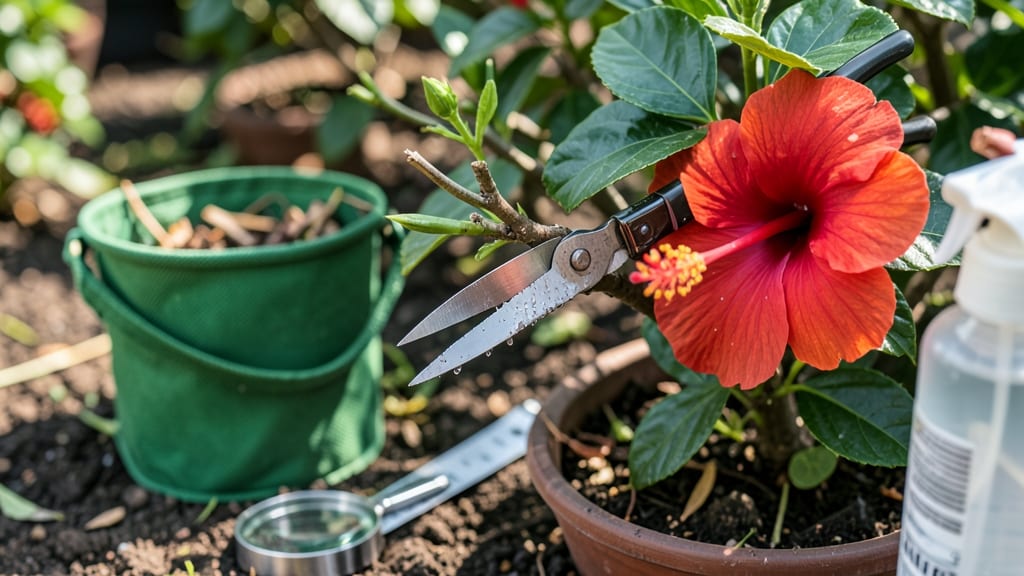
How to prune hibiscus plants late-winter turns them into blooming powerhouses. ✨ I’ve watched dormant bushes transform into lush, flower-covered shrubs after just one season of proper cuts—this is how you get those bold summer blooms. The key timing is after the last frost but before new growth starts, giving your plant a fresh start without stress.
You’ll need sharp pruners, gloves, and a clear day to see the plant’s structure. Start by removing dead or crossing branches—these compete for energy and block airflow. Then, cut back overgrown stems by about one-third to encourage bushier growth and more flowers.
Think of it like giving your plant a haircut: shorter on top, fuller on the sides.
After pruning, your hibiscus will reward you with healthier foliage and double the blooms by summer. The cuts also prevent disease by improving airflow, and the fresh growth tastes sweeter (yes, some varieties are edible!). Just avoid heavy pruning in fall or spring—late winter is the sweet spot.
Pro tip: Take a photo of your plant before cutting—it helps visualize where each branch belongs. And if you’re nervous, start small: even a few strategic cuts make a difference. Your hibiscus will thank you with vibrant blooms all season long.
📚 In This Guide
- What you need
- Instructions
- Tips and common mistakes
- Wrapping up and next steps
What you need
- ● Pruning shears: Bypass pruners (for clean cuts on small stems) or anvil pruners (for thicker branches). Choose sharp, stainless-steel blades to avoid crushing stems.
- ● Garden gloves: A pair of cut-resistant, breathable gloves (e.g., leather or synthetic blend) to protect your hands from thorns and sap.
- ● Disinfectant: Rubbing alcohol (70% isopropyl) or a commercial pruning sealant to sterilize tools between cuts and prevent disease spread.
- ○ Pruning saw (optional but helpful): A curved-tooth pruning saw for cutting through thick, woody stems (1+ inch in diameter).
- ● Garden twine or zip ties: For securing branches if you’re training your hibiscus into a specific shape.
- ● Trash bag or bucket: To collect pruned branches and debris for easy cleanup.
- ● Hand sanitizer or soap: For cleaning hands after handling sap or thorns.
- ● Loppers: For medium-sized branches (½ to 1½ inches thick).
- ● Plant food or fertilizer: A balanced, water-soluble fertilizer (e.g., 10-10-10) to nourish your hibiscus post-pruning.
- ● Mulch: Organic mulch (like shredded bark) to protect the base of the plant after pruning.
- ● Notebook & pen: To jot down notes on cuts made or areas needing extra attention.
Step-by-step guide to pruning hibiscus for maximum blooms
Here's how I transform my hibiscus into a lush, flowering powerhouse every spring.
✂️ Step 1: Time Your Pruning for Late Winter
Prune your hibiscus in late winter—just as new growth begins but before the first warm spell. In most climates, this falls between mid-February and early March. The goal is to encourage fresh, vigorous shoots that will produce more flowers later. Wait too long, and you'll cut back growth that could have bloomed.
Look for swollen buds at the base of stems—that's your cue. These buds signal the plant's readiness to respond to pruning. If your hibiscus is still dormant with no signs of new growth, hold off a few more weeks. Cold snaps can delay this process, so check weekly after the last frost date.
✂️ Step 2: Remove Dead or Weak Growth First
Start by cutting away any dead, diseased, or damaged branches—these are easy to spot because they're brown, brittle, or lack leaves. Use clean, sharp pruners to make cuts just above a leaf node or outward-facing bud. This prevents unsightly stubs and encourages outward growth, which creates a fuller plant.
Next, thin out weak or crossing branches that rub against each other. These compete for nutrients and can create entry points for pests. Aim to leave 3-4 strong stems per plant, spacing them evenly. If your hibiscus has leggy growth, cut back the longest stems by one-third to redirect energy into shorter, bushier branches.
✂️ Step 3: Shape the Plant for Airflow and Light
Step back and visualize your hibiscus as a rounded bush, not a tall spike. Cut back the tallest stems by one-third to half to encourage branching. Make cuts at a 45-degree angle, about ¼ inch above a leaf node or outward-facing bud. This angle helps water run off the cut and prevents rot.
Focus on opening up the center of the plant for better airflow and light penetration. Hibiscus blooms best when all parts of the plant get sunlight. If you see dense clusters of stems growing inward, prune some of them out completely. You'll know you've done well when the plant's shape looks balanced and sunlight can reach the center.
🌱 Step 4: Fertilize and Water After Pruning
Apply a balanced, slow-release fertilizer (like 10-10-10) around the base of the plant 2-3 weeks after pruning. This gives the new growth a nutrient boost without overwhelming the plant right after cutting. Water deeply right after pruning to help the plant recover and reduce shock.
Keep the soil moist but not soggy for the next 4-6 weeks. Hibiscus roots need consistent moisture to support new growth. If your plant starts dropping leaves or looks wilted, it might be overwatered—let the top 1-2 inches of soil dry out between waterings. Mulch around the base with 2-3 inches of organic mulch to retain moisture and protect roots.
☀️ Step 5: Monitor for New Growth and Adjust
Within 2-4 weeks, you should see new shoots emerging from the pruned stems. These are your signal that the pruning worked! If growth is slow, check for adequate sunlight—hibiscus needs full sun (6+ hours daily) to thrive. Move the plant if it's in a shady spot, or supplement with a grow light if indoors.
Continue pruning lightly throughout the growing season to maintain shape and encourage more blooms. Pinch back new growth tips in early summer to promote bushier growth. By mid-summer, your hibiscus should be a flourishing, flower-covered beauty—worth every snip!
Tips & tricks for perfect hibiscus pruning
Your hibiscus deserves the right care—and these tricks will help you avoid common mistakes while maximizing those stunning summer blooms.
Timing is Everything: The late-winter window between mid-February and early March is critical because it aligns with the plant's natural growth cycle. If you're in a colder climate, wait until after your last frost date—pruning too early can stress the plant, while waiting too long means you'll cut back potential blooms. I've learned this the hard way after seeing my hibiscus miss its flowering season!
Tool Prep Matters: Always sterilize your pruners with rubbing alcohol between cuts to prevent spreading disease. I also recommend using sharp pruners—dull blades crush stems instead of making clean cuts, which can damage the plant's ability to heal properly. For larger branches, consider using bypass pruners for cleaner cuts that heal faster.
Shape with Purpose: When shaping your hibiscus in Step 3, think of it as creating an open vase shape. This allows sunlight and air to reach all parts of the plant, which is essential for blooming. I like to step back every few cuts to visualize the plant's new shape—it's amazing how much difference a few strategic snips can make in just a few weeks.
Post-Pruning Recovery: After you've finished pruning, give your hibiscus a good deep watering to help it recover. The 4-6 week moisture window is crucial—too much water can cause rot, while too little can stress the plant as it puts out new growth. I've found that mulching with 2-3 inches of organic material helps maintain consistent moisture levels without the guesswork.
Pro Tips for Prune Hibiscus Plants
- Your hibiscus deserves the right care—and these tricks will help you avoid common mistakes while maximizing those stunning summer blooms.
- Timing is Everything: The late-winter window between mid-February and early March is critical because it aligns with the plant's natural growth cycle.
- Tool Prep Matters: Always sterilize your pruners with rubbing alcohol between cuts to prevent spreading disease.
Frequently asked questions
Got questions about pruning hibiscus?
Here are answers to the most common ones—so you can confidently shape your plants for stunning blooms!
When is the best time to prune hibiscus?
Late winter (just before new growth starts) is ideal for hardy hibiscus varieties like Hibiscus syriacus (rose-of-Sharon). Tropical hibiscus (e.g., Hibiscus rosa-sinensis) can be pruned lightly year-round, but avoid heavy cuts in cold months. Pro tip: Wait until after the last frost in your zone! →
How much can I cut back my hibiscus?
For mature hibiscus, aim to reduce stems by 1/3 to 1/2 their height. You can even cut back to the ground if needed—hibiscus are resilient! Just avoid over-pruning young plants (stick to light shaping). Warning: Never remove more than 30% of foliage in one season unless reviving a neglected plant.
What if I prune at the wrong time?
Pruning too late in spring or summer can stunt blooms or leave plants vulnerable to pests. If you’ve already missed late winter, lightly trim dead or damaged branches anytime. For tropical hibiscus, a light summer prune (after flowering) helps encourage new growth—but avoid heavy cuts!
Will pruning kill my hibiscus?
Not if done correctly! Hibiscus thrive on pruning—it removes dead wood, improves airflow, and encourages bigger, bushier blooms. Just use sterilized tools, avoid cutting into old wood (no green shoots), and water well after pruning. Over-pruning is the real risk, not the act itself!
Can I prune hibiscus in containers?
Yes! Container-grown hibiscus benefit from regular pruning (every 6–8 weeks) to control size and shape. Use the same techniques as for in-ground plants, but feed with balanced fertilizer after pruning to support new growth. Dwarf varieties may need even lighter trims.
Wrapping up and next steps
Pruning your hibiscus in late winter isn’t just about tidying up—it’s your secret weapon for vibrant, bushier blooms all summer long! 🌸 With the right tools, timing, and technique, you’ll encourage healthier growth and stunning flowers.
Remember, confidence comes with practice, so don’t hesitate to get your hands dirty and experiment.
Ready to see your hibiscus thrive? Grab those shears and start pruning today! For extra inspiration, check out our hibiscus care guide to keep your plant happy year-round.