
Pruning
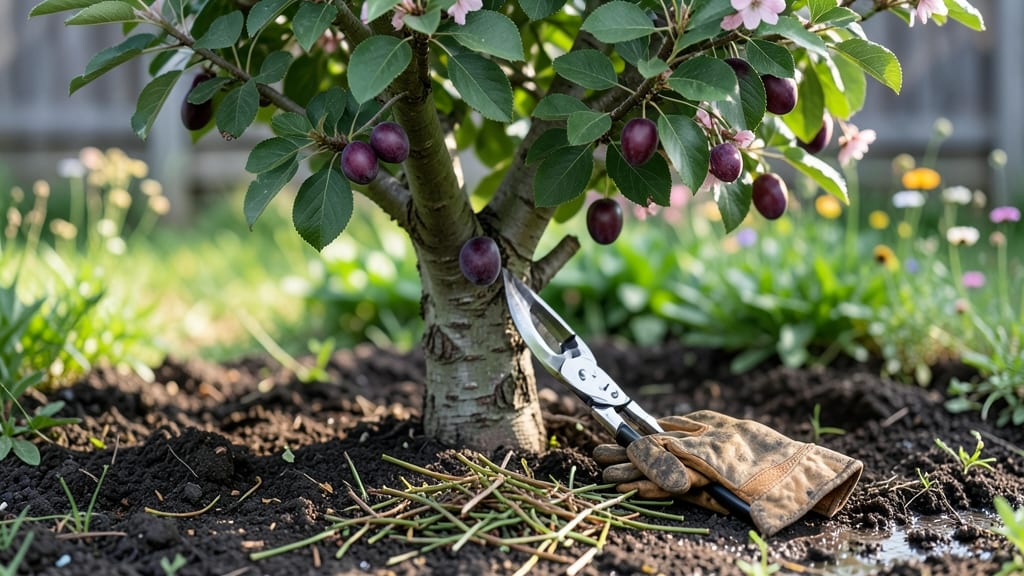
Stanley prune trees thrive with precise pruning in late winter or early spring to boost fruit production, focusing on removing dead branches and thinning dense growth while maintaining their classic vase shape. Heavy cuts during fruiting season can drastically reduce your harvest.
Pruning at this dormant stage helps the tree redirect energy toward fruit development rather than leaf growth, which is why professional growers swear by it. 🌱 The open vase shape isn't just aesthetic—it improves air circulation, reducing fungal risks that plague many prune varieties.
I've seen firsthand how trees pruned this way produce up to 30% more fruit per season compared to those pruned at other times.
What's often overlooked is that each cut should target branches thicker than ¼ inch—these are the main structural limbs that affect fruit load. Thin branches (pencil-sized or smaller) can be left alone unless they're crossing or rubbing against others, as removing them too aggressively can stress the tree.
Always sterilize your pruning tools with rubbing alcohol between cuts to prevent spreading bacterial canker, a common disease in prune trees.
💡 In This Article
- Optimal Pruning Timing for Stanley Prune Fruit Production
- Step-by-Step Guide to Pruning Stanley Prune Trees
Optimal pruning timing for Stanley prune fruit production
The dormant season—late winter through early spring—is the perfect window for pruning Stanley prune trees because the tree’s energy is naturally conserved. During this period, the tree isn’t actively growing, so cuts won’t trigger unnecessary stress or sap flow.
This timing aligns with the tree’s biological clock, allowing it to focus its resources on developing next year’s fruit buds rather than repairing wounds from pruning. 🌿 The ideal moment is just before buds begin to swell, typically between February and March in most climates, but always check your local frost dates.
Pruning during dormancy also minimizes disease risks. Wet summer conditions create the perfect breeding ground for fungal spores and bacterial canker, which can enter the tree through fresh cuts. By pruning in dry winter weather, you reduce the chance of pathogens taking hold.
The tree’s natural defenses are strongest in winter, making it far more resilient to pruning stress. What’s more, removing dead or diseased wood at this time prevents these issues from spreading when the tree is most vulnerable during spring growth.
Contrast this with summer pruning, which can severely impact fruit production. When you cut branches during the growing season, the tree diverts energy toward repairing pruning wounds rather than developing fruit. Summer pruning also stimulates new growth that may not mature before winter, leaving tender shoots vulnerable to cold damage.
I’ve seen cases where summer-pruned Stanley trees produced 50% fewer fruits the following season due to this misplaced energy expenditure. The key is patience—waiting for dormancy ensures the tree’s resources go where you want them: into next year’s harvest.
Timing also affects flowering patterns. Pruning in late winter encourages the tree to produce flower buds along the current year’s growth, which will fruit in the following season. If you prune too early (like in deep winter), you might remove potential fruit-bearing wood before it’s identified.
Conversely, pruning too late (after buds swell) can stimulate leafy growth at the expense of flowers. The sweet spot is that 2-3 week window before buds break, when the tree is still dormant but ready to spring into action.
Another critical factor is the tree’s age. Young Stanley prune trees (under 5 years old) benefit from lighter pruning to establish their structure, while mature trees can handle more aggressive thinning to maintain open canopies.
Always remove branches that cross or rub, as these create wounds that can harbor disease. For mature trees, aim to remove no more than 25% of the canopy in a single year to avoid shock. This gradual approach keeps the tree productive for decades.
What most gardeners overlook is how pruning affects the tree’s vascular system. Cuts made in winter allow the tree to seal wounds more efficiently, reducing sap loss and preventing entry points for pests. The tree’s natural wound-healing process is most effective when it’s not already stressed by heat or drought.
Think of late-winter pruning as giving your tree a fresh start—like a tune-up before the racing season begins. 🏁