
Pruning
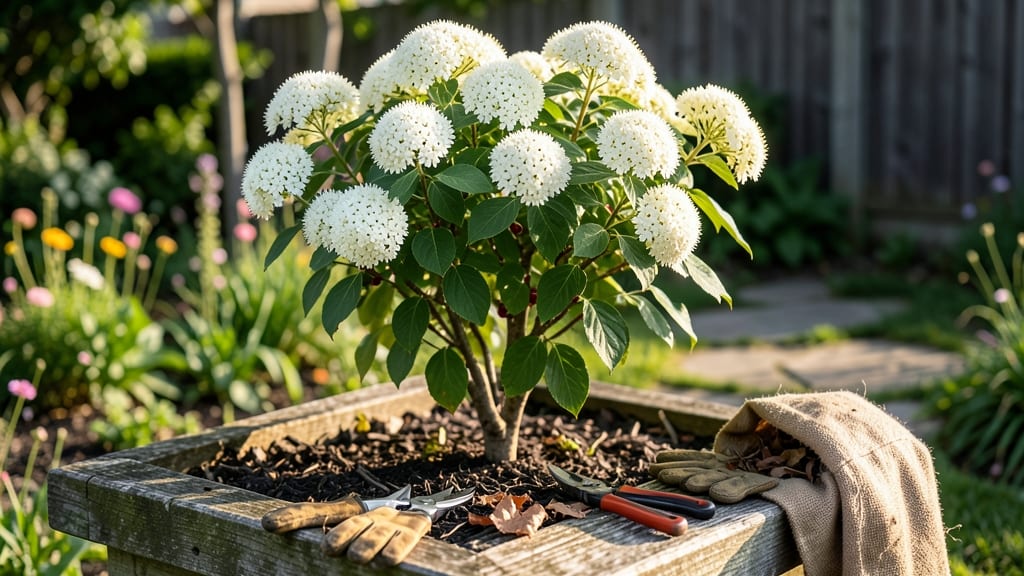
Pruning your snowball tree in late winter unlocks its full potential for vibrant spring blooms and a tidy shape year-round. ✂️ I’ve learned that timing is everything—prune too early, and you risk losing next year’s flowers; too late, and you stress the plant before spring growth.
The key is working during dormant season, when the tree’s energy is conserved but ready to respond to strategic cuts.
The right tools and technique make all the difference. You’ll need sharp bypass pruners, a hand saw for thicker branches, and a clean cloth to wipe away sap. Focus on removing dead, crossing, or crowded branches first—these compete with healthy growth and reduce airflow, which invites disease.
For shaping, aim to maintain an open center so sunlight reaches the inner branches, encouraging blooms from top to bottom.
What you’ll end up with is a neat, balanced shrub that bursts with white, snowball-like clusters in spring, followed by glossy red berries that birds adore. The best part? Proper pruning extends the tree’s lifespan, ensuring decades of effortless beauty with minimal upkeep.
Just avoid cutting back into old wood—new growth emerges from the current year’s stems, so prune just above a bud or lateral branch to guide future shape.
This method works for all Viburnum opulus varieties, whether you’re shaping a small patio tree or a large landscape specimen. For those in colder climates, prune after the last frost but before buds swell—typically February to early March.
Warmer zones can wait until late winter or early spring, but never during flowering season, or you’ll sacrifice next year’s blooms.
📚 In This Guide
- What you need
- Instructions
- Tips and common mistakes
- Wrapping up and next steps
What you need
- ● Bypass pruners: Sharp, high-quality pruners (e.g., Felco F-2 or Gonicc TPR) for clean cuts on small to medium branches. 1 pair is all you need!
- ● Loppers: For thicker branches (½"–1½" diameter). Opt for bypass-style loppers (e.g., Felco 201) to avoid crushing. 1 pair.
- ● Pruning saw: A curved-tooth pruning saw (e.g., Fiskars X27) for branches larger than 1½". 1 saw.
- ● Disinfectant: 70% isopropyl alcohol or a pruning sealant (e.g., Tanglefoot Pruning Seal) to prevent disease spread. Small bottle.
- ● Gloves: Heavy-duty, cut-resistant gloves (e.g., Worthington Industrial) to protect your hands. 1 pair.
- ● Safety glasses: ANSI-rated for debris protection. 1 pair.
- ● Ladder or step stool: Sturdy and tall enough to reach the tree’s canopy safely. 1 unit.
- ● Trash bags: Heavy-duty for collecting pruned branches. 2–3 bags.
- ○ Marking twine or flags: Optional but helpful for tagging branches to remove. Small roll.
- ● Timing: Prune during late winter or early spring (before buds swell) for best results.
- ● Weather: Choose a dry, calm day to avoid slipping or spreading disease.
- ● Tree health check: Inspect the tree for signs of disease (e.g., powdery mildew) or pests before pruning.
- ● Safety first: Wear closed-toe shoes and avoid working alone if the tree is large.
- ● Handheld leaf blower: Clears debris from the work area quickly.
- ● Pruning shears with a ratchet: For stubborn branches (e.g., Felco F-26).
- ● Tree wound dressing: Controversial but some gardeners swear by it for large cuts (e.g., Tanglefoot Tree Wound Pruning Paste).
- ● Camera or sketchbook: Document the tree’s shape before pruning for reference.
Step-by-step instructions for pruning snowball trees
Here’s how I prune snowball trees for maximum bloom and health—timed perfectly for dormant season.
✂️ Step 1: Choose the Right Time and Tools
Prune your snowball tree (Viburnum opulus) during late winter or early spring, just before new growth begins. This is when the tree is dormant, making it less stressful for recovery. I use sharp, clean pruning shears—dull blades tear bark and invite disease. Disinfect your tools with rubbing alcohol between cuts to prevent spreading pathogens.
Look for bare branches and buds swelling along the stems. These are your cues that the tree is ready. Avoid pruning in fall, as new growth won’t harden off before winter, and spring pruning too late can reduce flowering for the next season.
✂️ Step 2: Remove Dead, Diseased, or Crossing Branches
Start by eliminating dead, damaged, or diseased branches—these are easy to spot as they’re brown, brittle, or lack leaves. Cut them back to the main trunk or a healthy lateral branch. Next, remove any branches that cross or rub against each other, as this creates wounds and weakens the tree over time.
I also thin out overcrowded branches to improve airflow and sunlight penetration. Aim to open up the center of the tree by 20-30%—this encourages stronger growth and better flowering. If a branch is growing inward, cut it at the branch collar (the swollen area where the branch meets the trunk).
✂️ Step 3: Shape for Balance and Bloom
Snowball trees bloom on old wood, so avoid heavy pruning that removes too many flowering stems. Instead, focus on light shaping to maintain a natural, rounded form. Start by shortening overlong branches by about one-third to encourage bushier growth. Make cuts just above an outward-facing bud to promote new shoots that grow away from the center.
Step back frequently to check your work—you want a balanced, open canopy that lets light reach the inner branches. Avoid cutting back more than 25% of the tree’s total foliage in one season, as this can stress the plant. If you’re unsure, err on the side of caution and trim less.
✂️ Step 4: Clean Up and Monitor Recovery
After pruning, remove all debris from the ground beneath the tree to prevent fungal growth. I also apply a layer of mulch (about 2-3 inches thick) around the base, keeping it 6 inches away from the trunk to protect roots and retain moisture.
Watch for new growth in early spring—a sign the tree is recovering well. If you notice yellowing leaves, wilting, or excessive dieback, you may have pruned too aggressively. In that case, wait until next winter to do lighter maintenance. Properly pruned snowball trees reward you with vibrant, abundant blooms for years to come.
Tips & tricks for pruning snowball trees
Pruning snowball trees might seem intimidating, but these key insights will help you achieve professional results without stress.
Timing is Everything: The late winter to early spring window is critical because it aligns with the tree's dormancy period. I've learned this the hard way—pruning too early in winter can leave cuts vulnerable to cold damage, while waiting too long risks removing next season's flower buds. Look for those swollen buds along the stems as your definitive cue that it's time to prune. This precise timing ensures your tree has the full growing season to recover and reward you with vibrant blooms.
Tool Precision Matters: Using sharp, clean pruning shears isn't just about making cleaner cuts—it's about tree health. Dull blades crush stems instead of cutting cleanly, creating larger wounds that invite disease. I always disinfect my tools between cuts with rubbing alcohol, especially when working with multiple trees. This simple step prevents spreading fungal spores that could compromise your tree's health. For larger branches, consider using a pruning saw with a bypass blade to avoid tearing the bark.
Visual Cues for Better Pruning: When shaping your snowball tree, remember that you're working with a plant that blooms on old wood. This means every cut you make affects next year's flowers. Step back frequently to visualize the tree's natural form—you want an open, balanced canopy that lets light reach all branches. I find it helpful to imagine the tree as a rounded dome; this mental image guides my cuts to maintain that classic snowball tree silhouette while ensuring proper airflow throughout the foliage.
Mulching for Recovery: After pruning, don't overlook the importance of proper mulching. Apply a 2-3 inch layer of organic mulch around the base, but keep it 6 inches away from the trunk to prevent rot. This mulch layer acts like a blanket, protecting roots from temperature fluctuations while retaining moisture. I've noticed that trees with proper mulching show stronger new growth in spring—a clear sign they're recovering well from the pruning process. Choose a mulch that breaks down slowly, like shredded bark, for best results.
Pro Tips for Snowball Tree Pruning
- Pruning snowball trees might seem intimidating, but these key insights will help you achieve professional results without stress.
- Timing is Everything: The late winter to early spring window is critical because it aligns with the tree's dormancy period.
- Tool Precision Matters: Using sharp, clean pruning shears isn't just about making cleaner cuts—it's about tree health.
Frequently asked questions
Got questions about keeping your snowball tree in tip-top shape? Here are some of the most common ones—and their answers!
When is the best time to prune a snowball tree?
The ideal time is late winter or early spring, before new growth begins. This aligns with the article’s focus on dormant-season pruning. Avoid pruning in fall or summer, as it can stress the tree and reduce next year’s blooms. If you must prune outside this window, do so carefully and only for safety reasons (e.g., removing dead branches).
How much can I trim off without harming the tree?
Never remove more than 25-30% of the tree’s foliage in one season. Snowball trees (like viburnums) thrive on gradual shaping. Focus on thinning out crowded branches and dead wood first. If you’re aggressive, you risk stunting growth or reducing flowering. Think of it like giving your tree a haircut—better safe than sorry!
Will pruning my snowball tree reduce its flowers?
Not if done right! Pruning in late winter/early spring encourages more abundant blooms by improving airflow and sunlight penetration. However, avoid cutting back flowering wood (older branches) too harshly—this can reduce next year’s show. Aim to prune after the tree finishes blooming for the season.
What if my snowball tree isn’t blooming after pruning?
Several factors could be at play:
- Timing: Pruned too late in the season? New growth may not have time to harden off.
- Over-pruning: Cut back too much? Give it a year to recover.
- Nutrition: Check soil health—snowball trees need well-draining, slightly acidic soil (pH 6.0–7.0).
- Age: Younger trees may take 2–3 years to rebound after heavy pruning.
Can I use the same pruning techniques on other flowering shrubs?
Some principles apply broadly, but snowball trees (e.g., Viburnum opulus) have unique needs. For example:
- Hydrangeas: Prune after blooming; remove spent flowers to the first set of healthy leaves.
- Lilacs: Prune right after flowering, never in fall.
Wrapping up and next steps
Pruning your snowball tree during the dormant season is a game-changer for lush, year-round blooms! By following the right techniques—like timing, tool prep, and strategic cuts—you’ll encourage healthier growth and stunning flowers. Remember, patience and precision pay off, so don’t rush the process.
Ready to take action? Grab your pruners, mark your calendar, and start planning your next pruning session! Your snowball tree will thank you with vibrant blooms for seasons to come. 🌸✂️