
Pruning
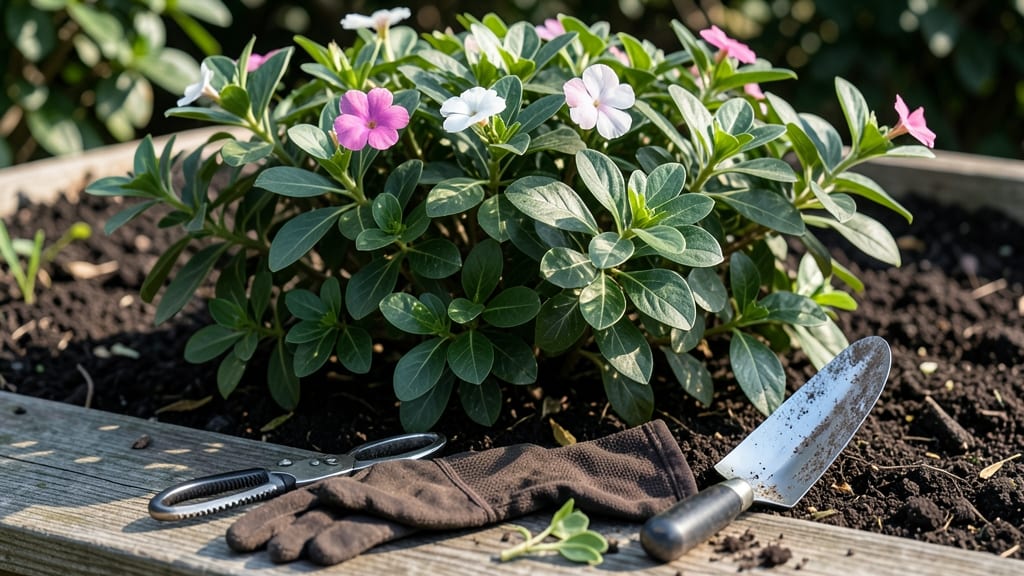
Pruning vinca plants isn't just about cutting back—it's the secret to nonstop blooms all season long. 🌸 I've learned that vinca (or periwinkle) thrives when you prune it right, and the difference between a leggy mess and a lush, flowering bush comes down to timing and technique.
What most gardeners miss is that vinca blooms on old wood but also responds beautifully to strategic cuts.
The best time to prune is right after the first flush of blooms in early summer, then again lightly in late summer to encourage fresh growth. You'll need sharp bypass pruners and a steady hand—no jagged cuts here.
The goal is to shape the plant while removing up to one-third of the oldest growth, which makes room for new stems and flowers. It's not about drastic cuts; think of it as giving your vinca a haircut that stimulates growth.
What you'll end up with is a fuller, bushier plant that keeps blooming from spring through fall. The flowers stay vibrant, the foliage stays dense, and you avoid that sad, woody look that happens when vinca gets neglected.
Just be careful not to over-prune—too much too soon can shock the plant and delay flowering. A little patience goes a long way.
After pruning, give your vinca a drink of water to help it recover, and consider a light feeding with balanced fertilizer. This isn't a one-time job—think of it as an ongoing conversation with your plant.
With regular pruning, your vinca will reward you with longer seasons of color and a shape that stays tidy without constant fuss.
📚 In This Guide
- What you need
- Instructions
- Tips and common mistakes
- Wrapping up and next steps
What you need
- ● Sharp pruning shears – Bypass shears (4–6" blade) for clean cuts on stems up to ½-inch thick.
- ● Hand pruners – For smaller stems or detailed trimming (look for bypass-style for precision).
- ● Gloves – Heavy-duty gardening gloves (nitrile-coated for grip) to protect against thorns or sap.
- ○ Disinfectant (optional but recommended) – 70% isopropyl alcohol or a 10% bleach solution to sterilize tools between cuts.
- ○ Pruning sealant (optional) – Wound dressing (e.g., Tree Seal) for large cuts to prevent disease.
- ● Compost or mulch – To replenish soil after pruning (1–2 gallons per plant).
- ● Watering can or hose – With a gentle spray nozzle for post-pruning hydration.
- ● Trash bag or bucket – For collecting clippings (remove only ⅓ of the plant at a time!).
- ● Choose a mild, dry day (avoid pruning after rain or in extreme heat).
- ● Check the weather forecast—no rain expected for 24–48 hours post-pruning.
- ● Wear comfortable clothing (long sleeves/pants to avoid scratches from thorny varieties like Vinca major).
How to prune vinca plants for year-round fullness
Vinca thrives when you prune it right—here’s how to keep it lush and blooming all season.
🌿 Step 1: Identify the Right Time to Prune
Prune vinca in early spring right after the last frost but before new growth appears. This is the best time because the plant’s energy shifts from dormancy to active growth, making it resilient to cutting. You can also do a light pruning in late summer to encourage a second flush of blooms.
Look for healthy, non-flowering stems—these are your targets. Avoid cutting into woody, thick stems, as vinca doesn’t regenerate well from them. Instead, focus on the softer, green growth. If you see any dead or brown stems, snip those first—they’ll only drain energy from the rest of the plant.
✂️ Step 2: Cut Back for Shape and Health
Use clean, sharp pruning shears to make cuts just above a leaf node or set of leaves. This encourages new growth from that spot. For a bushier look, trim back one-third of the plant’s height in early spring. If your vinca has become leggy, cut back even more aggressively—it’ll bounce back with dense, compact growth.
Watch for overcrowded centers—these are where old stems meet in the middle. Thin out a few of the oldest stems to improve airflow and reduce disease risk. Vinca is forgiving, so don’t stress about perfect symmetry. The goal is to open up the plant so light and air reach all parts.
🌱 Step 3: Encourage Continuous Blooms
After the first flush of flowers fades, deadhead spent blooms by snipping the stem just above the next set of leaves. This prevents the plant from wasting energy on seed production and redirects it to new flowers. For vinca, which blooms intermittently, this step is key to keeping it flowering all season.
In late summer, give vinca a light trim to remove any leggy or overgrown stems. This isn’t as harsh as spring pruning—just enough to shape it and encourage a fresh set of blooms before fall. Avoid heavy cuts now, as the plant needs time to harden off before winter.
⏰ Step 4: Maintain Through the Seasons
In early spring, fertilize after pruning to support new growth. Use a balanced, slow-release fertilizer to avoid burning the plant. Vinca is drought-tolerant once established, but keep the soil evenly moist (not soggy) during its first year to help it recover from pruning.
Monitor for pests or disease—pruning improves airflow, but it also exposes the plant to issues like powdery mildew. If you see any problems, treat them immediately with neem oil or fungicide. With consistent care, your vinca will stay vibrant, full, and blooming for years.
Tips & tricks for perfect vinca pruning
Here’s what nobody tells you about keeping vinca thriving—these tricks save time and frustration.
Timing is Everything: The early spring pruning window is critical—aim for right after the last frost when new growth is just starting. I learned this the hard way after pruning too early and seeing weak regrowth. If you miss spring, late summer is your second chance, but keep it light to avoid stressing the plant before winter.
Tool Matters More Than You Think: Sharp pruning shears aren’t just about clean cuts—they prevent tearing plant tissue, which leads to disease. I keep a small pair dedicated to vinca and clean them with rubbing alcohol between uses. Dull shears crush stems, slowing recovery. For thick stems, use bypass pruners instead of anvil types.
Shape with Purpose: When you trim back one-third of the plant’s height in spring, visualize an inverted cone shape—wider at the base, narrower at the top. This creates natural airflow while maintaining the plant’s structural integrity. For leggy vinca, cut back to just above a leaf node, but never below the lowest set of healthy leaves.
Deadheading Discipline: The key to continuous blooms is consistency—deadhead every 5-7 days during peak bloom season. I set a reminder on my phone because I tend to forget. Look for faded flowers with brown centers, then snip the stem just above the next set of leaves. This small habit makes all the difference for summer-long color.
Pro Tips for Pruning Vinca Plants
- Here’s what nobody tells you about keeping vinca thriving—these tricks save time and frustration.
- Timing is Everything: The early spring pruning window is critical—aim for right after the last frost when new growth is just starting.
- Tool Matters More Than You Think: Sharp pruning shears aren’t just about clean cuts—they prevent tearing plant tissue, which leads to disease.
Frequently asked questions
Got questions about keeping your vinca plants looking their best? We’ve got answers! Whether you’re a beginner or a seasoned gardener, these FAQs will help you prune like a pro.
When is the best time to prune vinca plants?
Prune vinca plants twice a year for optimal results: early spring (just as new growth starts) to shape the plant and remove dead wood, and late summer or early fall to encourage a second flush of blooms. Light trims can also be done throughout the growing season to maintain shape.
How much should I cut back vinca plants?
For a balanced look, trim back one-third of the plant’s height during spring pruning. Avoid over-pruning—cutting too aggressively can stress the plant. Focus on removing dead, yellowed, or overcrowded stems first, then shape as needed. Vincas are resilient and bounce back quickly!
Can I prune vinca plants in winter?
Light pruning in mild winter climates (zones 8-11) is fine to tidy up, but avoid heavy cuts in cold weather. If your vinca is dormant or frost-damaged, wait until spring to prune. Hard pruning in winter can shock the plant and delay spring growth.
Why aren’t my vinca plants blooming after pruning?
If blooms are sparse, check these factors: light (vincas need full sun), water (keep soil evenly moist but not soggy), and fertilizer (use a balanced, low-nitrogen feed in spring). Deadhead spent blooms regularly to encourage more flowers. If the issue persists, your plant may need a renewal prune in early spring.
What if my vinca looks leggy after pruning?
Leggy growth often means your vinca needs more sunlight or less nitrogen-heavy fertilizer. After pruning, move the plant to a sunnier spot (at least 6+ hours of direct sun daily) and switch to a bloom-boosting fertilizer. Pinch back new growth tips to promote bushier, fuller foliage.
Wrapping up and next steps
Pruning your vinca plants doesn’t have to be intimidating—it’s all about timing, technique, and a little patience! 🌿 With the right tools and a gentle hand, you’ll reward yourself with lush, bushier foliage and vibrant blooms that last all season.
Whether you’re trimming for shape, health, or a fresh burst of color, remember: consistency is key.
Ready to give your vinca the TLC it deserves? Grab your shears and head outside—your garden (and those pollinators!) will thank you. Next up: Keep an eye on your plants’ growth and repeat the process every 4-6 weeks to maintain that perfect, thriving look. Happy pruning! ✂️