
Pruning
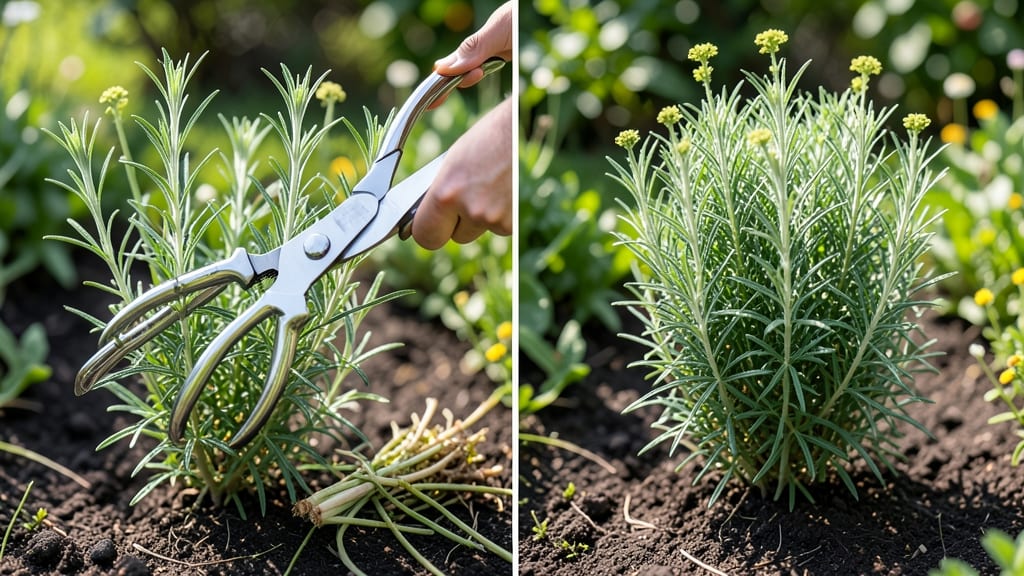
Pruning tarragon plants transforms a leggy herb into a fragrant, bushy powerhouse that keeps producing all season. 🌿 I used to let mine grow wild until I discovered how simple it is to encourage dense, flavorful stems—now my kitchen garden smells like French countryside whenever I walk by.
The best time to prune is right after flowering in late summer or early spring, when new growth is about to spurt. Grab sharp pruners and snip just above a leaf node at a 45-degree angle—this prevents water from pooling and encourages branching.
Avoid cutting into woody stems, as tarragon is semi-woody and won’t regrow from old wood. You’ll notice the difference within 2-3 weeks: fresh, bright green shoots pushing out from all directions, and a stronger anise flavor in your cooking.
The more you prune correctly, the more your plant rewards you with lush, productive growth that lasts for years. This method works for both French tarragon (the tender perennial) and Russian tarragon (hardier but less flavorful).
Just remember: less is more—tarragon is forgiving, but over-pruning stresses the plant and reduces harvests. Now grab those shears and let’s get growing!
📚 In This Guide
- What you need
- Instructions
- Tips and common mistakes
- Wrapping up and next steps
What you need
- ● Clean, sharp pruning shears – Bypass pruners (4–6 inch blades) work best to avoid crushing stems.
- ● Rubbing alcohol (70% isopropyl) or bleach solution – 1 part bleach to 9 parts water for sterilizing tools.
- ○ Gloves (optional but recommended) – Protects hands from sap and thorns.
- ● Disposable container or bucket – For collecting clippings (use for compost or tea!).
- ● Potting soil or compost (if repotting) – Well-draining mix for rooting cuttings.
- ● Horticultural oil or neem oil – For treating cuts if pests are spotted.
- ● Plant markers – Label cuttings if propagating.
- ● Spray bottle with water – Keeps cuttings hydrated post-pruning.
- ● Garden twine or clips – For staking tall tarragon stems if needed.
Step-by-Step guide to pruning tarragon for lush, aromatic growth
Here's how I keep my tarragon thriving year-round—no guesswork, just precise cuts for maximum flavor and fullness.
✂️ Step 1: Identify and Remove Dead or Damaged Growth
Start by inspecting your tarragon plant for any brown, crispy stems or leaves that show signs of disease or frost damage. These dead sections won't recover and will only drain energy from healthy growth. I like to run my fingers along the stems—anything that feels brittle or snaps easily is ready to go.
Use sharp, clean pruning shears to make your cuts at a 45-degree angle, about ¼ inch above a leaf node (that little bump where leaves grow out). This angled cut helps water run off the stem and prevents rot. If you're dealing with a large, woody stem, you can cut it back to the base entirely—tarragon is surprisingly resilient.
✂️ Step 2: Prune for Shape and Airflow in Spring
Once new growth appears in early spring, it's time to shape your tarragon. I aim for a rounded, bushy form—this encourages dense foliage and better air circulation, which reduces fungal issues. Start by trimming back any leggy stems that have grown too tall or spindly over winter.
Cut just above a set of healthy leaves, making sure to leave at least 3-4 inches of stem on each branch. Avoid cutting into old, woody growth—focus on the newer, softer stems. This is also the perfect time to thin out the center of the plant if it's getting too crowded. Tarragon responds beautifully to a good haircut, so don't be shy with your shears.
✂️ Step 3: Harvest and Prune Simultaneously in Summer
When your tarragon is in full bloom in late summer, that's when you'll get the most intense flavor. To encourage bushier growth, I harvest and prune at the same time. Start by cutting back one-third of the plant—this might sound drastic, but tarragon grows back quickly and even more robustly.
Make your cuts just above a leaf node, and try to harvest from the outer edges first, working your way inward. This prevents you from accidentally pruning off the main growing points. After harvesting, the plant will focus its energy on producing new, flavorful leaves rather than just growing taller. You'll notice fresh, vibrant growth within 2-3 weeks—that's your reward for a bold prune.
✂️ Step 4: Light Pruning for Winter Hardiness
As temperatures drop in late fall, tarragon enters a semi-dormant state. This is the time for light maintenance pruning—nothing too aggressive. Remove any dead or dying stems, and trim back any growth that looks weak or diseased. The goal here is to keep the plant tidy and reduce stress before winter.
I also like to give the plant a little shape at this stage, cutting back any overly long stems to maintain a neat form. Avoid heavy pruning now—tarragon needs all the energy it can muster to survive winter. If you're in a colder climate, consider wrapping the base of the plant with 2-3 inches of mulch (if you had mulch in your materials) to protect the roots from freezing temperatures.
⏰ Step 5: Post-Pruning Care for Rapid Recovery
After any major pruning session, tarragon needs extra care to bounce back quickly. Water the plant deeply—about 1 inch of water per week—to help it recover. Avoid getting water on the leaves, as this can promote fungal growth. I like to water at the base in the early morning so the foliage has plenty of time to dry out.
Keep your tarragon in a spot with full sun (at least 6-8 hours daily) and well-draining soil. You'll see new growth within 1-2 weeks if everything is right. If you notice any yellowing leaves after pruning, it's usually a sign of overwatering—let the soil dry out slightly before watering again. With proper care, your tarragon will come back stronger and more fragrant than ever.
Tips & tricks for pruning tarragon plants
Here’s what nobody tells you about keeping your tarragon thriving—these tricks make all the difference between a struggling herb and a fragrant, bushy powerhouse.
Pruning Angle Matters: That 45-degree angle cut in Step 1 isn’t just for looks—it’s a water-shedding hack. When you angle the cut just above the leaf node, rainwater runs off the stem instead of pooling, which prevents rot and keeps the plant healthy. I’ve seen tarragon plants revive after winter because of this simple detail.
Summer Pruning Strategy: Cutting back one-third of the plant in Step 3 might seem aggressive, but tarragon rebounds faster than you’d expect. The key is working from the outer edges inward—this preserves the plant’s growth centers while encouraging dense, flavorful regrowth. Think of it like giving your tarragon a haircut: you’re shaping it to grow thicker, not taller.
Winter Care Secret: That 2-3 inches of mulch in Step 4 isn’t just decoration—it’s insulation. In colder climates, mulch acts like a blanket for the roots, protecting them from freeze-thaw cycles that can damage tender growth. If you’re in a milder zone, skip the mulch but still keep pruning light to avoid stressing the plant.
Post-Pruning Recovery: The 1 inch of water per week in Step 5 is a baseline, not a rule. After heavy pruning, I often reduce watering slightly until new growth appears—tarragon is drought-tolerant once established. Watering at the base in the morning also prevents fungal issues, since wet foliage can trap moisture and encourage mildew.
Pro Tips for Pruning Tarragon Plant
- Here’s what nobody tells you about keeping your tarragon thriving—these tricks make all the difference between a struggling herb and a fragrant, bushy powerhouse.
- Pruning Angle Matters: That 45-degree angle cut in Step 1 isn’t just for looks—it’s a water-shedding hack.
- Summer Pruning Strategy: Cutting back one-third of the plant in Step 3 might seem aggressive, but tarragon rebounds faster than you’d expect.
Frequently asked questions
Got questions about keeping your tarragon lush and fragrant? Here are answers to the most common pruning dilemmas—so you can grow like a pro!
When is the best time to prune tarragon?
Prune Russian tarragon (the hardy variety) lightly after harvests or in early spring to encourage new growth. Avoid heavy pruning in late summer—it can stress the plant before winter. French tarragon (perennial) benefits from spring pruning, but never cut back more than ⅓ of the plant at once!
Should I prune tarragon before winter?
No! Tarragon is cold-hardy (zones 4–8), and pruning before winter can expose it to frost damage. Instead, trim lightly in early spring to remove dead growth. For extra protection, mulch around the base with straw or leaves—just don’t smother the crown.
Why is my tarragon turning yellow after pruning?
Yellowing leaves often mean over-pruning or root stress. If you cut too aggressively, the plant may struggle to recover. Ensure it’s in well-draining soil, water moderately (never soggy), and avoid fertilizing right after pruning. Yellowing could also signal root rot—check for mushy roots and repot if needed.
Can I propagate tarragon from cuttings?
Take 4–6 inch softwood cuttings from healthy stems in spring or early summer. Strip lower leaves, dip in rooting hormone (optional), and plant in moist potting mix. Keep humid (use a plastic bag) and place in bright, indirect light. Roots form in 2–4 weeks—perfect for sharing with gardening pals!
What if my tarragon looks woody or leggy?
Leggy or woody tarragon often means it’s past its prime (especially French tarragon, which lives ~5–6 years). Rejuvenate by cutting back hard in early spring—down to 6 inches from the base. If the center is bare, divide the plant and replant healthy sections. For severe cases, start fresh with cuttings!
Wrapping up and next steps
Pruning your tarragon plant doesn’t have to be intimidating—it’s all about timing, technique, and a little patience! 🌿 With the right cuts, you’ll encourage lush, fragrant growth and a bountiful harvest all year long.
Whether you’re trimming for flavor, shape, or health, remember: less is often more—avoid over-pruning to keep your plant thriving.
Ready to level up your herb garden? Start small—pick one season to practice, then expand your skills. Happy pruning, and may your kitchen always smell like a French bistro! 🥖✨