
Pruning
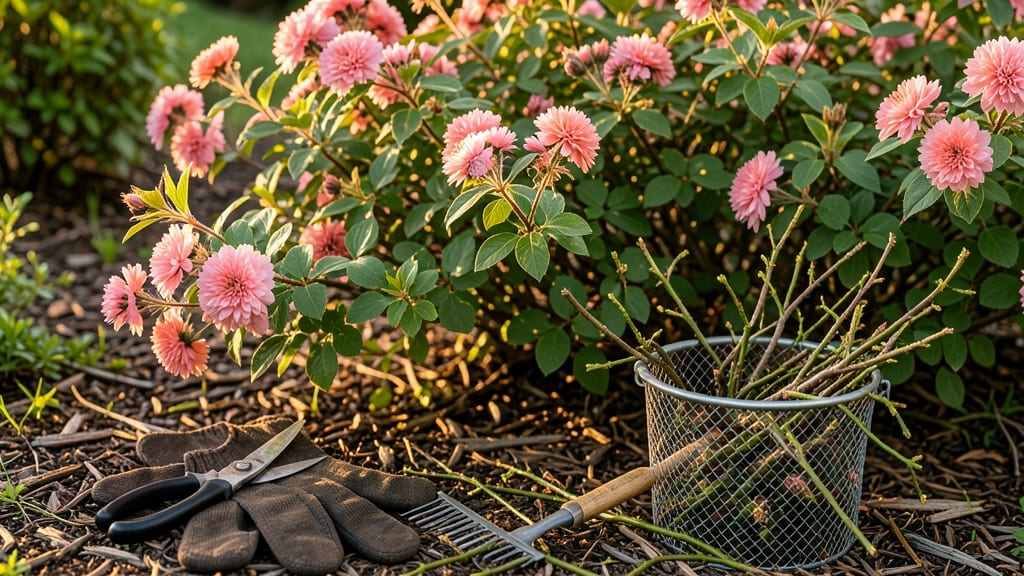
Your Spiraea japonica could be blooming nonstop this summer—if you prune it right. ✂️ I’ve turned my once-sparse shrubs into lush, flower-covered giants using just three simple cuts, and the secret lies in understanding when and how to shape it for maximum growth.
The key is timing: prune right after flowering (late June for most varieties) to encourage fresh blooms for next season. You’ll need sharp pruners, gloves, and a clear day—no rushing.
Cut back about one-third of the oldest stems to the ground, and thin out crowded branches to improve airflow. This isn’t about drastic changes; it’s about revival.
What you’ll end up with is a shrub that bursts with pink, red, or white blooms from early summer until frost, looking fuller and healthier than ever. The flowers stay vibrant longer, and pests struggle to take hold in the open center.
It’s the difference between a shrub that fades after a few weeks and one that steals the show all season.
Works for all Spiraea japonica varieties, from Goldflame to Anthony Waterer. Here’s how to make it happen without overcomplicating things—even if you’ve avoided pruning before.
📚 In This Guide
- What you need
- Instructions
- Tips and common mistakes
- Wrapping up and next steps
What you need
- ● Sharp bypass pruners – Must be clean and sharp (stainless steel blades preferred). Quantity: 1 pair.
- ● Loppers – For thicker stems (1/2"–2" diameter). Quantity: 1 pair (long-handled for reach).
- ● Disinfectant (70% isopropyl alcohol or bleach solution) – To sterilize tools between cuts and prevent disease. Quantity: Small bottle or spray.
- ● Heavy-duty gloves – Protect your hands from thorns and sharp branches. Recommendation: Leather or reinforced fabric.
- ○ Pruning saw – For stubborn, thick stems (optional but helpful). Quantity: 1 (if needed).
- ● Garden twine or rubber bands – To tie up branches for easier access. Quantity: Small roll.
- ● Trash bags or bucket – For collecting pruned branches. Quantity: 1–2 (depending on bush size).
- ○ Marking spray or flags – To label branches for removal (optional but handy). Quantity: Small bottle.
- ● Handheld leaf blower – Clears debris from the shrub after pruning.
- ● Pruning sealant – For large cuts (1" or wider) to prevent disease entry.
- ● Knee pads – If your Spiraea japonica is tall or ground-level pruning is needed.
- ● Extension pole pruners – For high branches (if you dislike ladders!).
Instructions for pruning Spiraea japonica
Here's how to revive your Spiraea Japonica and keep it blooming beautifully all summer long.
✂️ Step 1: Time Your Pruning for Maximum Blooms
Prune your Spiraea Japonica right after it finishes flowering in late spring or early summer—this is when the plant naturally shifts from blooms to new growth. If you prune too early, you risk cutting off next year's flower buds. I always wait until after the last frost when the plant has clearly finished blooming, but before the new season's growth gets too vigorous.
Look for wilted flower clusters and new growth at the base—these are your cues. The plant will have a slightly woody appearance after blooming, and you'll notice fresh green leaves emerging from the center. This is the moment that matters: pruning now encourages a second flush of flowers later in summer.
✂️ Step 2: Cut Back Old Wood to Stimulate New Growth
Use clean, sharp pruners to remove one-third of the oldest stems at the base. These are the thinnest, most woody stems that no longer produce strong blooms. Cut them back to the ground—don't leave any stubs. This might sound drastic, but it's what keeps your Spiraea Japonica looking lush and full of life.
I like to start with the thinnest stems first, then work my way to slightly thicker ones. The goal is to open up the center of the plant so light and air can reach the inner branches. You'll see new shoots emerging from the base within a few weeks—that's your signal everything is working. Avoid cutting into the healthier, thicker stems unless they're clearly dead or diseased.
✂️ Step 3: Shape and Thin for Airflow and Light
Next, thin out any crossing or rubbing branches—these create weak points where pests or diseases can take hold. Cut these back to a strong outward-facing bud. You want your Spiraea Japonica to have an open, airy shape, not a dense, tangled mess. I usually step back every few cuts to visualize the plant's form.
Finally, shorten the remaining stems by about one-third to encourage bushier growth. Cut just above a leaf node (the bump where leaves and branches meet) at a 45-degree angle. This prevents water from pooling on the cut and reduces the risk of rot. After pruning, your plant should look fuller and more balanced, with plenty of room for new growth to fill in.
⏰ Step 4: Clean Up and Feed for Recovery
Remove all pruned branches and dispose of them in the trash—never compost diseased or pest-infested material. Once the cuts are made, give your Spiraea Japonica a light application of balanced fertilizer (like 10-10-10) to support new growth. Water deeply right after pruning to help the plant recover and reduce stress.
Here's the thing—your Spiraea Japonica will look a little ragged right after pruning, but within 4-6 weeks, you'll see fresh green leaves and new flower buds forming. This is the payoff: a plant that blooms longer and more abundantly than ever before. Keep an eye out for new shoots at the base—that's where the magic happens.
Tips & tricks for pruning Spiraea japonica
Here’s what nobody tells you about pruning this beauty—details that make all the difference between a struggling shrub and a showstopper.
Timing is Everything: That late spring window is critical because Spiraea Japonica flowers on old wood. Cut too early, and you’ll snip off next year’s blooms. I’ve learned the hard way—wait until those flower clusters are completely wilted and you spot fresh green leaves at the base. This timing encourages that second flush of blooms in summer that everyone loves. The plant’s natural growth cycle is your guide here.
Tool Prep Prevents Problems: Sharp pruners aren’t just about clean cuts—they’re about plant health. Dull blades crush stems, inviting disease. I always disinfect my tools with rubbing alcohol between cuts, especially when removing diseased branches. And here’s a pro move: cut at a 45-degree angle just above a leaf node. This little detail prevents water from pooling on the cut, which reduces rot risk dramatically. It’s the difference between a healthy recovery and a struggling shrub.
Visual Cues Over Guesswork: When you’re thinning those crossing branches in Step 3, step back every few cuts to visualize the plant’s shape. You want an open, airy form—not a dense tangle. I’ve made the mistake of over-trimming, which leaves the plant looking bare. Aim for a balanced silhouette where light can reach the center. The goal is to encourage bushier growth from the base, not create a skeletal look. Think of it like sculpting: you’re shaping, not hacking.
Recovery Boost: After pruning, your Spiraea Japonica needs a little TLC to bounce back. That light fertilizer application (like 10-10-10) is key—it gives the plant the nutrients it needs to produce those vibrant new shoots. I also water deeply right after pruning to reduce stress. Within 4-6 weeks, you’ll see fresh green leaves and new flower buds forming. It’s like hitting the reset button for a second, even more spectacular bloom season.
Pro Tips for Pruning Spiraea Japonica
- Here’s what nobody tells you about pruning this beauty—details that make all the difference between a struggling shrub and a showstopper.
- Timing is Everything: That late spring window is critical because Spiraea Japonica flowers on old wood.
- Tool Prep Prevents Problems: Sharp pruners aren’t just about clean cuts—they’re about plant health.
Frequently asked questions
Got questions about pruning Spiraea japonica? You’re not alone! Here are answers to the most common concerns—so you can keep your shrub thriving and blooming like a pro.
When is the best time to prune Spiraea japonica?
Prune your Spiraea japonica right after blooming (late spring to early summer). This ensures you don’t cut off next year’s flowers. Avoid pruning in fall or winter, as it can stimulate tender new growth that may freeze. For overgrown shrubs, light pruning in late winter (before buds swell) is okay—but focus on shaping, not heavy cuts.
How much can I cut back my Spiraea japonica?
For most varieties, you can safely remove up to one-third of the oldest stems to encourage new growth. If your shrub is severely overgrown, prune back 1/2 to 2/3 of the oldest wood to the ground, but leave some younger stems for structure. Pro tip: Cut just above a leaf bud or lateral branch to avoid leaving stubs.
Will pruning my Spiraea japonica kill it?
Not if done correctly! Pruning Spiraea japonica is essential for its health—it prevents woody stems, improves airflow, and boosts blooms. However, avoid over-pruning (cutting back more than 1/3 of the plant at once) or pruning at the wrong time (mid-summer to fall), which can stress the shrub. If you’re unsure, start with light shaping!
What if my Spiraea japonica doesn’t bloom after pruning?
Lack of blooms usually means pruning too late (after summer) or cutting back all the old wood (where next year’s flowers form). Try this: Prune lightly in early spring (just to shape) and heavily right after blooming the following year. If the shrub is old, it may need rejuvenation pruning—cutting back 1/2 to 2/3 of the oldest stems to the ground.
Are there alternatives to pruning Spiraea japonica?
While pruning is the best way to maintain Spiraea japonica, you can minimize it by:
- Choosing a low-maintenance variety (like ‘Little Princess’, which blooms on new and old wood).
- Mulching to retain moisture and reduce stress.
- Fertilizing in early spring to encourage healthy growth.
- Watering deeply during droughts to prevent dieback.
Wrapping up and next steps
Pruning your Spiraea japonica doesn’t have to be intimidating—just a little timing, the right tools, and a gentle hand can transform your shrub into a blooming powerhouse! With these three simple steps, you’ll encourage lush, vibrant flowers all summer long while keeping your plant healthy and happy. 🌸
Now that you’re armed with the know-how, grab those shears and get pruning! Start with a quick check of your shrub’s health, then follow the steps confidently. Pro tip: Schedule your next pruning session in late winter or early spring to keep the cycle going.
Happy gardening—your Spiraea japonica will thank you with a showstopping display! 🌿✨