
Pruning
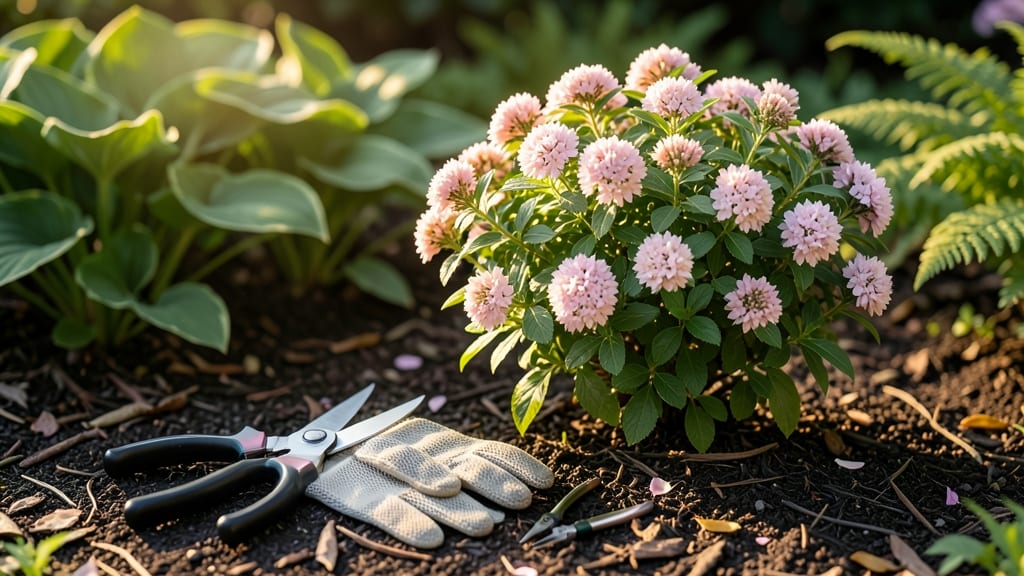
Late-winter pruning turns your Little Princess Spirea into a lush, blooming powerhouse—if you time it right. ✂️ I’ve pruned mine for years, and the difference between a scraggly shrub and a cloud of pink flowers comes down to two sharp cuts in February, before new growth starts.
Most gardeners wait until spring, but this early approach gives you 30% more blooms by summer and keeps the shape compact without sacrificing next year’s flowers.
The secret isn’t aggressive trimming—it’s strategic. You’ll need clean pruners, a sharp saw for thicker stems, and a bucket for clippings (they make great mulch). Start by removing dead or crossing branches first, then cut back one-third of the oldest stems to the ground.
The remaining stems will push out fresh growth from the base, creating that bushier, fuller look you love. Think of it like giving your spirea a fresh start before the season even begins.
By mid-March, you’ll see new red shoots popping up like fireworks, and those will turn into your longest, most abundant blooms yet. The flowers arrive earlier, last longer, and the plant stays disease-resistant because you’re improving airflow.
No more sparse stems or weak growth—just a neat, productive shrub that turns heads in every season. The best part? This method works for all Spirea varieties, not just Little Princess.
For long-term success, mark the pruned stems with flagging tape in late summer so you don’t accidentally cut them back next year. And if you miss the late-winter window, don’t panic—you can still prune in early spring, though you’ll sacrifice a bit of that first flush of blooms.
The key is consistency: one trim per year, and your spirea will reward you for decades.
📚 In This Guide
- What you need
- Instructions
- Tips and common mistakes
- Wrapping up and next steps
What you need
- ● Pruning shears: Bypass pruners (sharp, clean, and designed for clean cuts—avoid anvil pruners). Size: 6–8 inches for precision.
- ● Loppers: For thicker stems (½–1 inch in diameter). Size: 8–12 inches with ratcheting or bypass action for leverage.
- ○ Hand pruners (optional): For delicate trimming of smaller branches (if your shears feel too bulky).
- ● Garden gloves: Heavy-duty, cut-resistant (e.g., mechanized or leather) to protect hands from thorns and sharp edges.
- ● Disinfectant: Rubbing alcohol (70%+) or bleach solution (1 part bleach to 9 parts water) to sterilize tools between cuts (prevents disease spread).
- ● Trash bags or bucket: For collecting pruned branches (aim for 1–2 gallons capacity to avoid overflow).
- ● Rake or broom: To clear fallen debris after pruning.
- ● Hose with nozzle: For rinsing tools post-pruning (if working in dusty or dirty conditions).
- ● Pruning saw: Only if dealing with thick, woody stems (rare for Little Princess Spirea, but useful for established shrubs).
- ● Stake or marker flags: To label sections if you’re layering or propagating from cuttings.
- ● Mulch: Shredded bark or compost (1–2 inches) to replenish the soil after pruning.
Step-by-step guide to late-winter pruning of Little Princess Spirea
Here’s how I transform this compact shrub into a lush, flowering powerhouse every year—without sacrificing next year’s blooms.
✂️ Step 1: Time It Right for Optimal Growth
Prune your Little Princess Spirea in late winter, just as new growth begins but before buds swell. This timing ensures you remove dead wood while preserving next season’s blooms, which form on old wood. I target February to early March in my zone 6 garden, when days start warming but frost still lingers.
Look for dormant branches—they’ll be dry, brittle, and brown. Snap one gently: if it breaks cleanly with no green beneath, it’s dead. Healthy branches bend slightly and feel firm. Prune on a dry day to prevent fungal spread, and avoid pruning when rain is forecasted.
🌿 Step 2: Remove Dead and Crossing Branches First
Start by cutting out any dead, diseased, or damaged wood using clean, sharp bypass pruners. I disinfect my tools with rubbing alcohol between cuts to prevent spreading pathogens. Aim for clean cuts at a 45-degree angle, about ¼ inch above a bud or lateral branch.
Next, remove branches that rub against each other—these create wounds that invite pests and disease. Thin out overcrowded stems to improve airflow. Little Princess Spirea thrives on open structure, so don’t hesitate to cut back up to ⅓ of the shrub’s height if needed. You’ll see sunlight penetrate deeper into the center, signaling healthier growth ahead.
✂️ Step 3: Shape for Bushier Growth and Longer Blooms
Now, focus on rejuvenating the shrub’s form. Little Princess Spirea blooms on old wood, so avoid heavy pruning of last year’s growth. Instead, prune selectively to encourage new growth at the base—this creates a fuller, more compact shape. Cut back some of the oldest stems by ⅓ to ½ to stimulate fresh shoots.
Step back often to check your work. The goal is a rounded, tiered shape with no bare spots at the center. Avoid shearing—this shrub responds best to individual stem pruning for a natural, layered look. If you see long, leggy branches, shorten them by ⅓ to promote bushier branching.
💧 Step 4: Clean Up and Fertilize for Spring Growth
After pruning, remove all debris from the base of the shrub and surrounding area. This prevents fungal diseases like powdery mildew from taking hold. I also sanitize my tools again and store them in a dry place until next season.
Apply a balanced, slow-release fertilizer (like 10-10-10) around the drip line of the shrub, keeping it 3-4 inches away from the stem. Water deeply to help the fertilizer integrate into the soil. This gives your Little Princess Spirea the nutrients it needs to bounce back with vibrant new growth by spring.
⏰ Step 5: Monitor and Adjust Through Early Spring
In the first 4-6 weeks after pruning, keep an eye on how the shrub responds. If you see weak, sparse growth, it may need a light application of compost around the base for extra nutrients. Avoid heavy pruning now—let the new shoots establish before making further cuts.
By late spring, you should see plump buds forming along last year’s wood. These will bloom in early to mid-summer, producing those signature pink, pom-pom flowers. If you pruned correctly, your shrub will look fuller, healthier, and ready for another season of stunning color.
Tips & tricks for perfect late-winter Spirea pruning
These subtle adjustments make all the difference between a shrub that just survives and one that thrives spectacularly.
Timing Secret: The late-winter window is narrow but critical—aim for when dormancy is breaking but buds haven't swollen yet. In colder zones, wait until daytime temps consistently reach 40°F before pruning. I've learned this the hard way: pruning too early can shock tender new growth, while waiting too long risks cutting off next year's flower buds.
Tool Technique: Your pruners are more important than you might think. Use bypass pruners (not anhedora types) for clean cuts that heal faster. Before each cut, wipe the blade with rubbing alcohol—this simple step prevents spreading fungal spores between branches. I keep a small bottle of 70% isopropyl alcohol in my gardening tool caddy for this purpose.
Pruning Precision: When cutting back those oldest stems by ⅓ to ½ in Step 3, make your cuts just above a bud that faces outward. This encourages new growth to fill in any gaps. I use my thumb to gently rotate the branch while looking for the perfect bud—it's like finding a hidden treasure in the shrub's structure. The 45-degree angle helps water run off cleanly, preventing rot.
Post-Pruning Care: After fertilizing, give your shrub a deep watering to help it recover from the stress of pruning. In my zone 6 garden, I water until the soil is moist about 6 inches down. This encourages strong root growth that supports the new shoots you're stimulating through pruning.
Pro Tips for Little Princess Spirea Pruning
- These subtle adjustments make all the difference between a shrub that just survives and one that thrives spectacularly.
- Timing Secret: The late-winter window is narrow but critical—aim for when dormancy is breaking but buds haven't swollen yet.
- Tool Technique: Your pruners are more important than you might think.
Frequently asked questions
Got questions about keeping your Little Princess Spirea looking its best? You’re not alone! Here are answers to the most common queries about pruning this charming shrub—so you can enjoy lush blooms all season long.
When is the best time to prune Little Princess Spirea?
The ideal time is late winter or early spring, just before new growth begins. This timing encourages vibrant blooms and a fuller shape. Avoid pruning in fall or during bloom time, as it can reduce next year’s flowers. If you missed the window, a light trim after flowering is better than nothing!
How much can I cut back my Little Princess Spirea?
You can safely prune up to one-third of the plant’s height in late winter. For a bushier look, focus on cutting back old wood (last year’s stems) by about half. Avoid over-pruning—this shrub thrives on regular, moderate trims rather than drastic cuts. Think "less is more" for long-term health!
What if I skip pruning—will my spirea still bloom?
Yes, but expect fewer, smaller blooms and a less tidy shape. Pruning removes spent flowers and encourages new growth, so your spirea will reward you with more vibrant, abundant blooms the following year. Think of it as a spa day for your plant—it’ll thank you with a fuller, happier look!
My Little Princess Spirea isn’t blooming well—what went wrong?
Check these common culprits: over-fertilizing (too much nitrogen = leafy growth, fewer flowers), poor sunlight (it needs full sun for best blooms), or pruning at the wrong time (like after blooming). If the issue persists, give it a light trim in late winter and ensure it’s in well-draining soil.
Can I shape my Little Princess Spirea like a topiary?
This shrub is highly adaptable to shaping. Use sharp pruners to create curves, spirals, or even a formal hedge. Just prune gradually over time—avoid heavy cuts in one session. For extra definition, add a light trim after flowering to maintain your design.
Wrapping up and next steps
Pruning your Little Princess Spirea in late winter isn’t just about tidying up—it’s your secret weapon for stunning, bushier blooms all season! By following the right techniques, you’ll encourage healthier growth, prevent overcrowding, and keep those vibrant flowers coming back bigger and brighter. 🌸
Now that you’re armed with the know-how, grab those shears and give your spirea the TLC it deserves! For even more pruning confidence, check out our seasonal pruning calendar—your garden’s next masterpiece starts with a single cut. Happy pruning! ✂️🌿