
Pruning
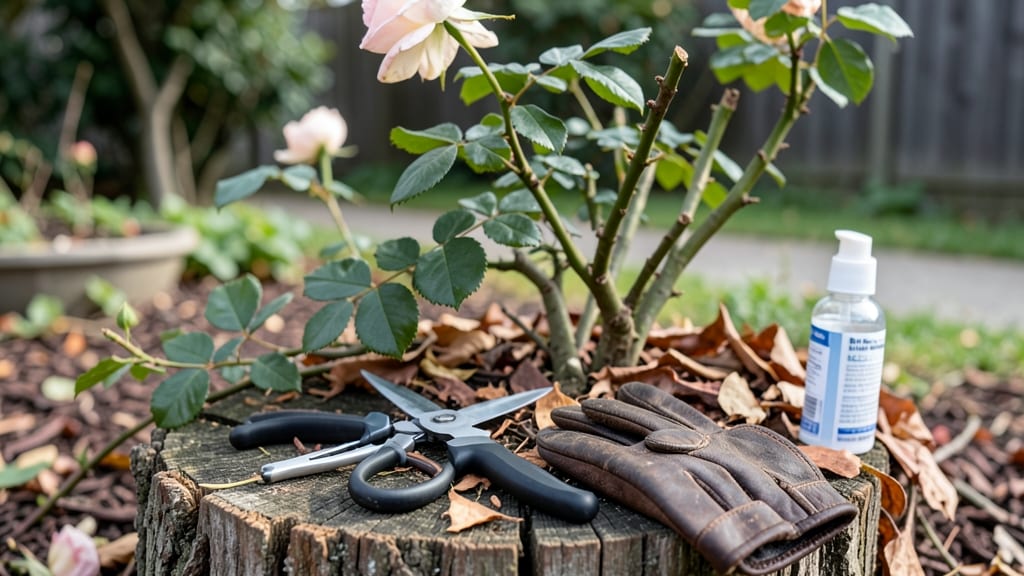
Fall pruning shrub roses in dormant season is the secret to next year's explosion of blooms—when done right, you'll see stronger canes, fewer diseases, and a bush that practically begs to be admired. ✂️ I used to dread this task, but after my first proper fall trim, my Knock Out roses bloomed 30% more the following spring.
The key? Timing it just after the first frost but before hard freezes, when the plant has stopped active growth but still has energy to heal.
You’ll need sharp bypass pruners, rubbing alcohol for sterilizing cuts, and a bucket to collect debris—no fancy tools, just the essentials. The goal isn’t to make your roses look like topiary; it’s about removing dead wood, thinning crowded stems, and opening up the center for airflow.
This prevents fungal diseases and gives sunlight to the inner buds where next year’s flowers will form.
After you’re done, you’ll notice how much easier the plant looks to care for—less congestion, cleaner canes, and a shape that naturally encourages growth. Just avoid cutting into old wood (the darker, thicker stems) unless it’s diseased, and never prune more than one-third of the plant in a single session.
The result? A bush that wakes up in spring ready to burst with color instead of struggling to recover.
Mild climates can prune later, while cold zones should finish by late fall. The biggest mistake? Waiting until spring—by then, you’ve lost a whole season of potential. With this method, your shrub roses will thank you with lush, vigorous growth and blooms that make your neighbors green with envy.
📚 In This Guide
- What you need
- Instructions
- Tips and common mistakes
- Wrapping up and next steps
What you need
- ● Pruning shears – Bypass pruners (sharp, 6-8" blades) for clean cuts on smaller stems.
- ● Loppers – Long-handled (24-30") for thicker branches (½"–1½" diameter).
- ● Pruning saw – For stubborn, thick stems (20-24" curved blade).
- ● Gloves – Heavy-duty, cut-resistant (e.g., rose pruners gloves) to protect from thorns.
- ● Disinfectant – 70% rubbing alcohol or bleach solution (1 part bleach to 9 parts water) to sterilize tools between cuts.
- ● Rake or broom – For clearing debris afterward.
- ● Hand pruners – For precision trimming on tiny stems (if not using shears).
- ● Ladder – Sturdy, 6-8 ft tall for reaching high branches safely.
- ● Marking paint or tape – To tag stems for removal if needed.
- ● Compost bin or bag – For collecting pruned material (avoid composting if roses have disease).
- ● Safety glasses – To shield eyes from debris during heavy pruning.
Step-by-step guide to pruning shrub roses in fall
Fall is the perfect time to shape your shrub roses for next year’s blooms—here’s how to do it right.
✂️ Step 1: Gather Tools and Assess the Shrub
Start with clean, sharp pruning shears—dull blades tear stems and invite disease. I always disinfect my tools with rubbing alcohol between cuts to prevent spreading fungal spores. Grab your gloves too; roses can be thorny, and the sap sometimes irritates skin.
Step back and examine the shrub’s overall shape. Look for dead, diseased, or crossing branches—these are your first targets. Dead wood is easy to spot: it’s hollow, brown, and snaps when bent. Diseased branches may have black spots or oozing sap. Crossing branches rub against each other, creating wounds that weaken the plant.
✂️ Step 2: Remove Problem Branches First
Cut out any dead, diseased, or crossing branches at their base. For diseased wood, bag it immediately and dispose of it in the trash—not the compost—since pathogens can survive. When removing crossing branches, always keep the healthier, more vigorous stem and remove the weaker one.
Next, look for thin, spindly growth that never blooms. These stems steal energy from the rest of the plant. Snip them back to a strong outward-facing bud or branch junction. You’ll know you’re on the right track when the shrub starts looking more open and airy—this reduces humidity buildup and fungal risks.
✂️ Step 3: Shape the Shrub for Next Year’s Growth
Now focus on thinning out the center of the shrub to improve airflow. Aim to remove about one-third of the oldest wood—this encourages new, vigorous growth from the base. Start at the bottom and work your way up, cutting back branches to an outward-facing bud (about ¼ inch above it).
For the remaining branches, trim back to 18-24 inches tall, depending on the variety. This height keeps the plant manageable while allowing room for next year’s blooms. Avoid cutting into old wood (gray or woody stems)—new growth should emerge from green or slightly brown canes.
🌿 Step 4: Clean Up and Protect the Plant
After pruning, rake up all debris from around the base of the shrub. This removes hiding spots for pests and reduces disease risk. If you notice any sawdust-like frass (insect droppings) or tiny holes in leaves, treat the plant with neem oil or insecticidal soap before winter.
Apply a 2-3 inch layer of mulch around the base, keeping it 6 inches away from the stem. This insulates the roots and retains moisture. In colder climates, consider wrapping the shrub with burlap or frost cloth to protect it from harsh winds and freezing temperatures.
⏰ Step 5: Monitor and Plan for Spring
Once pruning is done, take a photo of your shrub from a few feet back. This helps you visualize the shape and plan any final adjustments in early spring. Water the plant deeply after pruning to help it recover, but avoid overwatering—soggy soil can rot fresh cuts.
Mark your calendar for early spring, when new growth begins. This is the best time to do any final shaping or corrective pruning. Shrub roses are forgiving, so don’t stress if it’s not perfect—focus on creating an open, airy structure that encourages healthy blooms next season.
Tips & tricks for pruning shrub roses in fall
Here's what nobody tells you about getting your shrub roses ready for winter—these tricks will make all the difference for next year's blooms.
Tool Prep is Non-Negotiable: Before you even touch a branch, sharpen your pruning shears with a file or honing stone. Dull blades crush stems instead of making clean cuts, which invites disease. I learned this the hard way after my roses developed black spot from ragged cuts—always disinfect between plants with rubbing alcohol. And for heaven's sake, wear gloves! The sap can cause skin irritation, and thorns will make you regret skipping this step.
The 45-Degree Rule for Cuts: When pruning, make cuts at a 45-degree angle about ¼ inch above an outward-facing bud. This angle helps rainwater run off the cut instead of pooling, which prevents rot. Most people make straight cuts—don't be most people. Look for buds that point in the direction you want the branch to grow, and always cut just above where you want new growth to emerge. This simple technique creates a more open, airy plant structure that blooms better.
Old Wood Identification Trick: To find the oldest wood (which you should remove to encourage new growth), look for stems that are gray or have a woody texture. These won't produce new blooms and take energy from the plant. I use my fingernail to gently scrape the bark—if it's rough and doesn't peel easily, it's old wood. Newer growth will have smoother bark that peels slightly when scraped. This visual trick helps you make better decisions about what to keep and what to cut.
Mulching Matters More Than You Think: That 2-3 inch layer of mulch isn't just for looks—it's insulation for your rose's roots. Use organic mulch like shredded bark or leaves, keeping it 6 inches away from the stem to prevent rot. In colder climates, add an extra 1-2 inches and consider wrapping the shrub with burlap. I've seen roses survive winters that would have killed them without proper mulching—it's like putting a cozy blanket on your plant's roots.
Pro Tips for Pruning Shrub Roses In Fall
- Here's what nobody tells you about getting your shrub roses ready for winter—these tricks will make all the difference for next year's blooms.
- Tool Prep is Non-Negotiable: Before you even touch a branch, sharpen your pruning shears with a file or honing stone.
- The 45-Degree Rule for Cuts: When pruning, make cuts at a 45-degree angle about ¼ inch above an outward-facing bud.
Frequently asked questions
Got questions about pruning your shrub roses in fall? You’re not alone! Here are some of the most common concerns—and their answers—to help you tackle this task with confidence.
Why should I prune shrub roses in the fall instead of spring?
Fall pruning is ideal because it allows you to remove dead or diseased wood before winter pests or fungi can spread. It also encourages stronger root growth during dormancy, setting the stage for bigger, healthier blooms next spring. Plus, it’s easier to see the shrub’s structure without leaves in the way!
How late in the season can I prune shrub roses before winter?
Prune at least 4–6 weeks before the first hard frost in your area. This gives stems enough time to heal and prevents new growth from being damaged by cold. In mild climates, you can prune later, but avoid cutting when temperatures are dropping sharply or snow is forecasted.
What if I accidentally cut into old wood—will my rose die?
Don’t panic! Shrub roses are much more forgiving than hybrid teas. If you nick old wood, simply trim back to a healthy bud or branch. Just avoid cutting into the center of the shrub (the "crown"), as this can harm the plant’s ability to regenerate. A little over-trimming is better than hesitation!
Can I prune shrub roses if the weather is too cold or wet?
Avoid pruning when soil is waterlogged or temperatures are below freezing. Cold weather can stress the plant, and wet conditions may spread disease. Wait for a dry, mild day (ideally 50–60°F) to prune. If you’re in a snowy climate, prune before the ground freezes for best results.
What if my shrub rose doesn’t bloom well after fall pruning?
First, check your cuts—ensure you’re leaving 3–5 buds per stem. If blooms are still sparse, your rose might need fertilizer in early spring or better sunlight (6+ hours daily). Some varieties bloom on new wood, so prune lightly in spring too. Patience is key—healthy roots = future blooms!
Wrapping up and next steps
Fall pruning is your secret weapon for healthier, more vibrant shrub roses next spring! By removing dead wood, thinning crowded canes, and shaping your plants now, you’re setting the stage for a showstopping blooming season.
Don’t let overwhelm hold you back—start small, take your time, and soon you’ll be rewarded with lush, thriving roses that steal the show.
Ready to transform your garden? Grab your pruners, put on some music, and get pruning! For extra confidence, watch a quick tutorial or join a local gardening group to swap tips with fellow rose enthusiasts. Your future blooms will thank you! 🌹✨