
Pruning
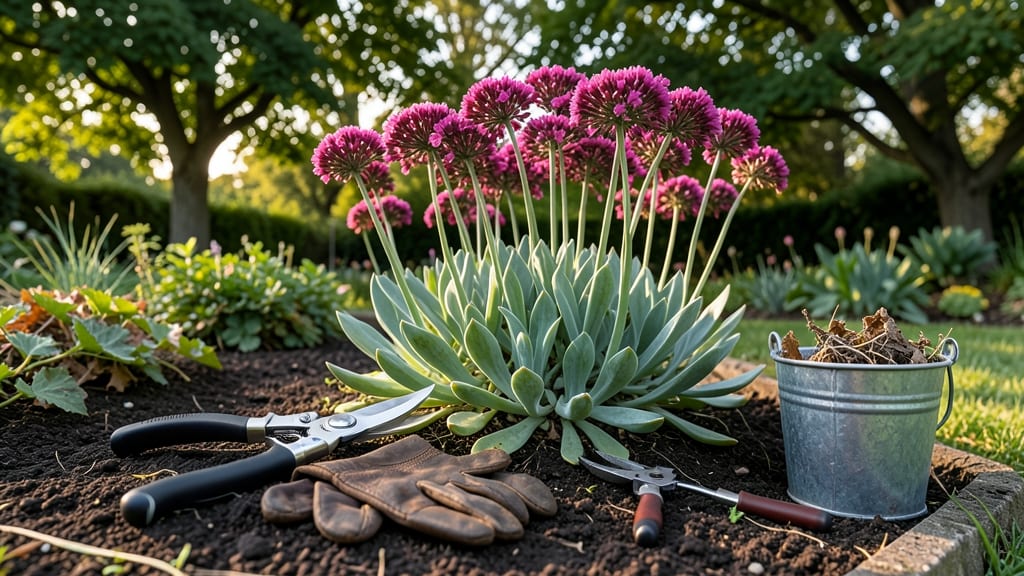
Pruning sedum plants transforms them from leggy stragglers into thick, vibrant mounds that last all season. 🌿 I learned the hard way—skipping pruning left my sedum looking sparse and weak, but after a few intentional cuts, they became the hardiest plants in my garden.
The secret isn’t just when you prune but how you encourage that dense, bushy growth sedum is famous for.
You’ll need just three basic tools: sharp pruners (to avoid tearing stems), gloves (sedum sap can irritate skin), and a clean bucket (for clippings). Timing matters too—spring and early summer are prime, but dormant pruning in late winter works wonders for cleanup.
The key is cutting back one-third of the plant at a time, never more, to avoid stressing it. For succulent sedum, focus on removing dead or yellowing leaves first.
What you’ll end up with is a sedum plant that’s denser, healthier, and more productive—blooming longer and resisting pests better. My once-sparse sedum now spills over containers in jewel-toned waves, and I’ve even propagated new plants from those cuttings.
The best part? Proper pruning extends their lifespan by years, making them a low-maintenance workhorse for any sunny spot.
Works for both groundcover and upright varieties, whether in containers or garden beds. Here’s the step-by-step to get started—no more scraggly sedum in your future!
📚 In This Guide
- What you need
- Instructions
- Tips and common mistakes
- Wrapping up and next steps
What you need
- ● Pruning shears or sharp scissors – Choose bypass pruners (for clean cuts) or anvil pruners (for thicker stems). A sterilized blade is a must to prevent disease.
- ● Rubbing alcohol (70% isopropyl) or bleach solution – For sterilizing tools before and after pruning (1 part bleach to 9 parts water).
- ○ Gloves (optional but recommended) – Wear gardening gloves to protect your hands from sap or sharp edges.
- ● Disposable tray or bucket – To collect pruned cuttings for propagation or disposal.
- ○ Garden twine or plant ties (optional) – Useful if you’re training sedum into specific shapes (e.g., topiary).
- ● Hand pruners or snips – For smaller, more precise cuts (great for delicate sedum varieties).
- ● Horticultural oil or fungicide spray – Apply to cuts if your sedum shows signs of stress or disease.
- ● Rooting hormone (for propagation) – Speeds up root growth if you’re replanting cuttings.
- ● Markers or labels – Helpful if you’re experimenting with different pruning techniques or tracking growth.
Step-by-Step guide to pruning sedum for year-round health
Here’s how I keep my sedum thriving—bushier, fuller, and ready for any season.
✂️ Step 1: Prune for Shape and Remove Dead Growth
Start in early spring, just as new growth begins. Sedum’s thick stems can look ragged after winter, so I use sharp, clean pruners to trim back any brown or brittle stems to where healthy green growth appears. This isn’t about drastic cuts—just tidying up.
Watch for stems that have lost their plumpness or turned woody. These are your cues to prune. I like to shape the plant lightly at this stage, removing any stems that cross the center or grow at awkward angles. The goal is to encourage airflow and sunlight penetration, which keeps the plant disease-free.
🌿 Step 2: Encourage Bushier Growth Mid-Season
Around late spring to early summer, sedum often sends out long, leggy stems. This is your signal to prune again—but this time, focus on pinching back the tips of these stems. Using your fingers or small pruners, snip just above a set of leaves where new growth will emerge.
You’ll notice the plant responds within weeks by branching out more. I avoid cutting more than one-third of the plant’s height at once, as sedum stores water in its leaves and stems, and drastic cuts can stress it. If you’re pruning multiple plants, work in batches to avoid overwhelming the plant’s recovery process.
⏰ Step 3: Light Pruning in Fall for Winter Prep
As temperatures drop and growth slows, I do a final light pruning in late fall. Remove any remaining dead or diseased stems, but leave the bulk of the plant intact. Sedum’s succulent nature means it stores water, and a fuller plant is better equipped to handle winter’s chill.
If your sedum has grown particularly lush, you can trim back the tallest stems by about one-half to keep the plant compact and reduce wind damage. This is also a good time to clean up any fallen leaves or debris around the base, which can harbor pests or disease over winter.
☀️ Step 4: Post-Pruning Care for Strong Recovery
After pruning, sedum needs a little extra care to bounce back. Water lightly—just enough to keep the soil moist but not soggy—especially if you’ve made deeper cuts. Sedum is drought-tolerant, but newly pruned plants benefit from consistent moisture for a few weeks.
Place your sedum in a spot with full sun (at least 6 hours daily) to encourage robust regrowth. You’ll see new shoots emerge within 2-3 weeks, signaling that the pruning was successful. Avoid fertilizing immediately after pruning, as sedum doesn’t need much—just focus on water and sunlight to help it recover.
Tips & tricks for pruning sedum like a pro
Here’s what I’ve learned from years of keeping my sedum lush and resilient—these tricks make all the difference in its year-round health.
Timing Secret: In Step 1, when you’re pruning for shape in early spring, focus on removing only the dead or woody stems—not the healthy ones. Sedum stores water in its leaves, and cutting into healthy tissue can stress the plant. Look for stems that feel dry or hollow when pressed; these are your targets. The goal is to tidy up without shocking the plant into dormancy.
Technique Tip: For Step 2’s bushier growth, I’ve found that pinching back leggy stems at the leaf node (where leaves meet the stem) encourages more branching than cutting straight across. Use your fingers or small pruners to make a clean cut just above the leaf node—this is where new growth will sprout. If you’re working with multiple plants, take it slow; sedum recovers best when you don’t overwhelm it all at once.
Seasonal Strategy: In Step 3, when temperatures drop, resist the urge to prune heavily. Sedum’s succulent nature means it stores water, and a fuller plant handles winter better. If your sedum has grown particularly lush, trim back the tallest stems by about half to reduce wind damage—but leave the bulk intact. This light approach keeps the plant compact and better prepared for winter’s chill.
Recovery Wisdom: After pruning, especially in Step 4, place your sedum in full sun (at least 6 hours daily) to kickstart regrowth. You’ll see new shoots emerge within 2-3 weeks, but avoid fertilizing immediately—sedum thrives on minimal care. Instead, focus on keeping the soil lightly moist (not soggy) for the first few weeks post-prune. This balance is key to helping it bounce back strong.
Pro Tips for Pruning Sedum Plants
- Here’s what I’ve learned from years of keeping my sedum lush and resilient—these tricks make all the difference in its year-round health.
- Timing Secret: In Step 1, when you’re pruning for shape in early spring, focus on removing only the dead or woody stems—not the healthy ones.
- Technique Tip: For Step 2’s bushier growth, I’ve found that pinching back leggy stems at the leaf node (where leaves meet the stem) encourages more branching than cutting straight across.
Frequently asked questions
Got questions about keeping your sedum thriving with the right pruning? You’re not alone! Here are answers to the most common queries—so you can prune like a pro and enjoy lush, healthy plants year-round.
When is the best time to prune sedum?
The ideal time to prune sedum is late winter or early spring (just before new growth starts) to encourage bushier foliage. You can also do a light trim in early fall to shape the plant and remove dead growth. Avoid pruning in summer—it’s their peak growing season, and trimming then can stress the plant.
How much can I cut back my sedum?
For most sedum varieties, you can safely remove up to one-third of the plant’s height in a single pruning. If your sedum is woody or overgrown, you can cut back harder (even to the ground) in early spring—it’ll regrow vigorously! Just avoid over-pruning in one session, as this can weaken the plant.
What if my sedum looks leggy or sparse after pruning?
Leggy sedum often means it needs more sunlight or a spring pruning to encourage denser growth. Trim back the leggy stems by one-third and fertilize lightly with a balanced, low-nitrogen fertilizer. If the issue persists, consider dividing the plant every few years to rejuvenate it.
Can I prune sedum for propagation?
Use your pruned cuttings to propagate new plants. Simply place healthy stems in well-draining soil or water (for succulent sedum types) and keep them in bright, indirect light. Roots should form in 2–4 weeks. This is a great way to multiply your sedum collection for free!
Should I worry about pests after pruning?
Pruning can sometimes invite pests like aphids or spider mites, especially if you’re working with stressed plants. To prevent issues, sterilize your tools with rubbing alcohol, remove any infested leaves immediately, and avoid overcrowding. A neem oil spray can also help keep pests at bay.
What if I live in a cold climate—does pruning change?
In colder zones, wait until after the last frost (late spring) to prune, as early cuts can expose tender new growth to frost damage. For hardy sedum like Sedum spectabile, a light pruning in early fall can help protect against winter dieback. Always check your specific variety’s hardiness zone!
Wrapping up and next steps
Pruning your sedum plants doesn’t have to be intimidating—it’s all about timing, technique, and a little love! 🌿 Whether you’re shaping them for aesthetics or boosting their health, the key is to work with their natural rhythm and keep tools sharp.
With these year-round tricks, you’ll enjoy lush, hardier sedum that thrives season after season.
Ready to take your garden to the next level? Grab your pruners and start clipping! 🌱 For even more tips, explore our guide on seasonal sedum care—your green thumb is just one snip away!