
Pruning
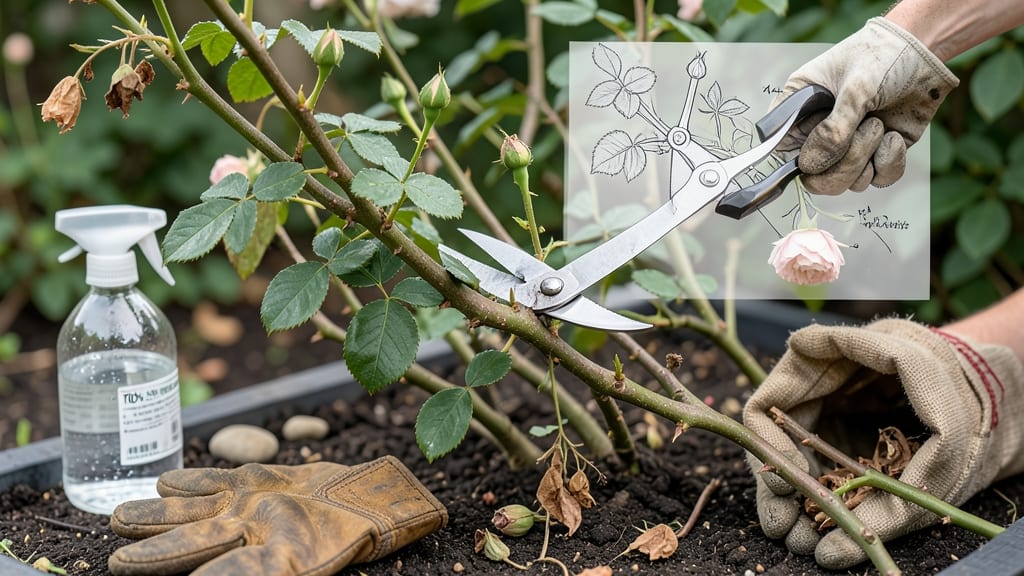
Pruning roses after flowering isn't just about cleanup—it's the secret to turning one flush of blooms into a nonstop summer show that makes your neighbors green with envy. 🌹 I learned this the hard way after my first roses put on a single spectacular show in June, then faded into sad, leggy shadows.
The fix? A sharp pair of pruners and knowing exactly where to cut.
Here's the thing—most gardeners wait until fall, but the real magic happens right after your roses finish blooming.
You're not just tidying up; you're telling the plant, "Hey, let's do that again, but better." Start by removing spent blooms down to the first five-leaflet leaf, then thin out crowded canes to improve airflow.
This isn't brain surgery—just follow the growth patterns, and your roses will reward you with bigger, bushier blooms all season long.
The payoff is immediate: fewer diseases (thanks to better airflow), stronger stems (from proper pruning cuts), and blooms that keep coming until frost. Even my black thumb can't mess this up once you know the basics.
We're talking weeks of continuous color instead of a single spectacular burst that fades too soon.
Works for hybrid teas, floribundas, and even those tough-as-nails shrub roses. The timing is flexible—just don't wait past early summer. Let's get those roses looking like they just stepped out of a catalog, not like they've been neglected since spring.
📚 In This Guide
- What you need
- Instructions
- Tips and common mistakes
- Wrapping up and next steps
What you need
- ● Bypass pruners: Sharp, high-quality pruners (e.g., Felco F-2 or similar) to make clean cuts. Size: 6-8 inches for easy handling.
- ● Loppers: For thicker stems (½ inch or larger). Recommended: 18-24 inch loppers with bypass blades.
- ● Hand saw: For stubborn, woody stems. Type: Pruning saw with a curved blade for precision.
- ○ Disinfectant (optional but recommended): Rubbing alcohol (70% isopropyl) or a commercial pruning sealant to prevent disease spread.
- ● Gloves: Heavy-duty gardening gloves (e.g., leather or nitrile-coated) to protect against thorns and debris.
- ○ Pruning shears cover (optional): A fabric sleeve to shield your hands from thorns while cutting.
- ● Trash bag or bucket: For collecting pruned stems and debris. Size: At least 3 gallons to avoid overflow.
- ● Hose or water sprayer: To clean tools before and after pruning.
- ● Pruning paint/sealant: For sealing larger cuts (e.g., ¼ inch or wider) to prevent disease.
- ● Knee pad or stool: For comfort, especially if your roses are tall or the garden is large.
- ● Sharpener: A file or dedicated pruner sharpener to keep blades in top condition.
Step-by-step instructions for pruning roses after flowering
Here's the simple method I use to keep roses blooming all summer long.
✂️ Step 1: Identify and Remove Spent Blooms
Start by examining each rose stem for blooms that have fully faded. Look for buds that have opened completely and petals that have dropped naturally—these are ready for removal. I always work on a dry, sunny morning because the stems are easier to see and handle when the plant is at its peak.
Use clean, sharp pruners to cut the stem just above a set of five-leaflet leaves or an outward-facing bud. This ensures the plant has a strong growth point to produce new blooms. Never leave stubs—always make clean cuts at a 45-degree angle to prevent water from pooling and causing rot.
✂️ Step 2: Thin Out Crowded Canes
After deadheading, step back and assess the overall shape of your rose bush. Look for canes that are crossing, rubbing against each other, or growing inward toward the center. These crowded canes compete for nutrients and can lead to weak, disease-prone growth.
Remove any canes that are thinner than a pencil or show signs of disease, like black spots or powdery mildew. Cut these back to the ground or to a healthy outward-facing bud. I like to keep about 3-5 of the strongest, healthiest canes per bush—this gives the plant room to breathe and encourages better air circulation.
✂️ Step 3: Shape the Bush for Balance
Now it's time to shape the bush into an open, rounded form. Start at the outer edges and work your way inward, cutting back any overly long or leggy stems. Aim to create a natural, balanced shape that allows sunlight and air to reach the center of the plant.
For each cut, focus on making the plant look fuller and more compact. You'll notice new buds forming along the stems within a few weeks—that's your signal that the pruning is working. Avoid cutting back more than one-third of the plant’s total growth in a single session, or you risk shocking the rose and stunting its ability to rebloom.
💧 Step 4: Clean Up and Fertilize
After pruning, gather all the cuttings and dispose of them in the trash—not the compost pile—to prevent the spread of disease. Wipe down your pruners with rubbing alcohol to sterilize them before putting them away. This step is crucial for keeping your roses healthy for the next round of blooms.
Once the bush is tidy, apply a balanced, slow-release fertilizer to encourage new growth. I like to use a fertilizer with equal parts nitrogen, phosphorus, and potassium (like a 10-10-10 blend) and follow the package instructions for application. Water the plant deeply right after fertilizing to help the nutrients soak into the soil.
Tips & tricks for perfect rose pruning after flowering
Here's what nobody tells you about keeping your roses blooming beautifully all season—these are the tricks that make the difference between a few scattered blooms and a lush, continuous display.
Tool Prep: Before you even start pruning, take 5 minutes to sharpen your pruners. Dull blades crush stems instead of making clean cuts, which stresses the plant and invites disease. I keep a small file in my gardening toolbox specifically for this—it's a game-changer for rose care. Also, wipe down your pruners with rubbing alcohol before and after each use, even if you're just working with one bush. This prevents cross-contamination that can spread fungal diseases between plants.
Visual Cues for Pruning: In Step 1, when identifying spent blooms, look for these telltale signs: petals that have curled inward at the edges and a slight brownish tint at the center of the bloom. These are your cues that the flower has fully finished its cycle. For the 45-degree angle cuts in Step 1, imagine you're cutting a slice of pie—this angle helps water run off the cut rather than pool and rot. The outward-facing bud you're cutting to should be no smaller than a pencil's diameter to ensure strong new growth.
Seasonal Timing Strategy: The best time to prune is actually right after you've finished deadheading in late summer—this gives your roses a second flush of blooms before fall. But here's the secret: don't prune after the first hard frost of autumn, even if there are still blooms. The plant needs to harden off naturally. I mark my calendar for the first week of September as my final pruning window for repeat bloomers like hybrid teas and floribundas.
Fertilizer Timing: In Step 4, when you're applying that 10-10-10 fertilizer, here's the pro move: split your application into two feedings. Use half immediately after pruning, then apply the remaining half 6-8 weeks later. This two-step approach prevents over-fertilizing which can lead to soft, disease-prone growth. And always water deeply after fertilizing—this helps prevent fertilizer burn on the roots.
Pro Tips for Pruning Roses After Flowering
- Here's what nobody tells you about keeping your roses blooming beautifully all season—these are the tricks that make the difference between a few scattered blooms and a lush, continuous display.
- Tool Prep: Before you even start pruning, take 5 minutes to sharpen your pruners.
- Visual Cues for Pruning: In Step 1, when identifying spent blooms, look for these telltale signs: petals that have curled inward at the edges and a slight brownish tint at the center of the bloom.
Frequently asked questions
Got questions about pruning roses after flowering?
You’re not alone! Here are the most common concerns—plus clear, actionable answers to keep your roses thriving all season.
When is the best time to prune roses after they’ve finished blooming?
Prune roses immediately after they stop flowering—typically late spring to early summer for repeat-bloomers. For hybrid teas and floribundas, this means cutting back faded blooms (deadheading) within 1-2 days. Wait too long, and you risk encouraging pests or disease. Pro tip: Check your rose’s bloom cycle—some varieties (like climbers) may need a lighter touch!
How much should I cut back when pruning roses?
For most roses, trim back just above a healthy outward-facing bud (about ¼ inch above). Avoid cutting into old wood—look for green, plump buds. For deadheading, snip stems just below the first 5-leaflet cluster to encourage new growth. Warning: Never remove more than ⅓ of the plant’s foliage at once to avoid stress.
Can I prune roses too late in the season?
Yes! Pruning roses after early autumn (especially in colder climates) can stunt next year’s blooms. Late-season cuts may also leave stems vulnerable to frost damage. If you must prune late, focus on removing diseased or dead wood—avoid heavy shaping. Exception: Some gardeners lightly deadhead roses in early fall to prevent winter pests.
What if my roses don’t rebloom after pruning?
Several factors could be at play: underwatering, poor soil, or over-fertilizing (especially with high nitrogen). First, check for 5 essentials:
- Sunlight: At least 6 hours daily.
- Water: 1–2 inches per week (deep soaking).
- Fertilizer: Use a balanced rose food (10-10-10) after pruning.
- Pests/Disease: Inspect for aphids or black spot.
- Variety: Some roses (like shrub roses) bloom on old wood—prune lightly!
Do I need special tools to prune roses?
Not necessarily! Bypass pruners (for small stems) and loppers (for thicker canes) are ideal, but clean, sharp scissors work in a pinch. Must-haves:
- Disinfect tools with rubbing alcohol between cuts to prevent disease spread.
- Wear gloves—roses can be thorny!
- Avoid dull tools—they crush stems, inviting infection.
Wrapping up and next steps
Pruning roses after flowering doesn’t have to be intimidating—it’s your secret weapon for vibrant, long-lasting blooms all season! By deadheading spent flowers and shaping your roses thoughtfully, you’ll encourage healthier growth and more stunning displays. Remember: consistency is key—a little effort now means big rewards later.
Ready to transform your garden? Grab your pruners and give your roses the care they deserve. Check out our step-by-step guide to get started—or share your progress with fellow gardeners! 🌹✨