
How To
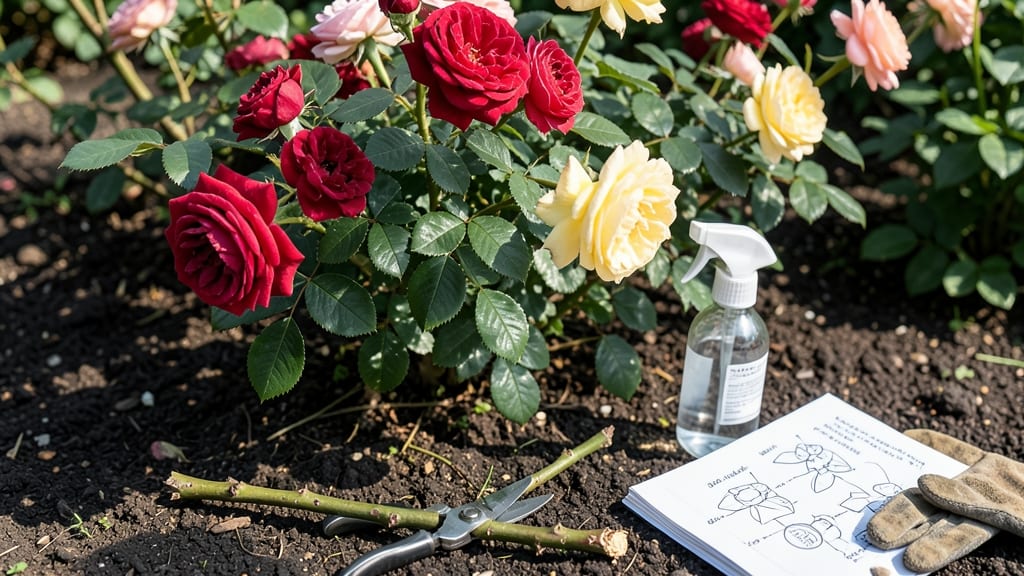
Pruning your rose bush isn’t just about cutting back—it’s the secret to longer, healthier blooms all season. ✂️ I’ve turned my once-sparse bushes into lush, flower-covered giants by mastering three key cuts: removing dead wood, shaping for airflow, and encouraging new growth.
The best part? You don’t need fancy tools or a green thumb—just a sharp pair of pruners and 30 minutes on a crisp morning.
Start by snipping out any blackened or brittle stems first—they’re dead weight holding back your rose’s potential. Next, shape the bush into an open vase form, cutting just above an outward-facing bud to guide future growth.
Finally, trim back last year’s blooms to make room for fresh ones, and watch your roses reward you with vibrant, continuous flowers from early summer until frost. The key is timing: late winter or early spring, before new shoots appear.
📚 In This Guide
- What you need
- Instructions
- Tips and common mistakes
- Wrapping up and next steps
What you need
- ● Bypass pruners: Sharp, clean pruners (1 pair) for cutting small stems and branches up to ½ inch in diameter.
- ● Loppers: Heavy-duty loppers (1 pair) for thicker branches (½ to 1½ inches in diameter). Look for ergonomic handles for comfort.
- ● Pruning saw: A curved-bladed saw (1) for branches thicker than 1½ inches—opt for a folding design for portability.
- ● Gloves: Sturdy, cut-resistant gloves (1 pair) to protect your hands from thorns and scrapes.
- ● Disinfectant (rubbing alcohol or bleach solution): A small bottle (4 oz) to clean tools between cuts and prevent disease spread.
- ● Hand pruners with a bypass blade: A smaller pair (1) for precision trimming on delicate stems.
- ● Rake or broom: To clear fallen leaves and debris after pruning.
- ● Pruning sealant: A small tube (2 oz) to coat larger cuts and reduce moisture loss.
- ● Knee pads or stool: For comfort if you’re working on large bushes.
- ● Sharpie or marker: To label branches you plan to remove (if pruning in stages).
- ● Check the weather: Prune on a dry, cloudy day (avoid rainy or windy conditions).
- ● Know your rose type: Research whether your rose is a climbing, shrub, hybrid tea, or old garden rose—pruning techniques vary slightly!
- ● Gather a bucket or bag: For collecting pruned branches and debris.
Step-by-step guide to pruning a rose bush
Here's the straightforward method I use every spring to keep my roses blooming abundantly all season.
✂️ Step 1: Remove Dead, Diseased, or Weak Wood
Start by inspecting the entire bush for any branches that are completely brown, mushy, or covered in black spots—these are dead or diseased and need to go. Grab your pruning shears and make a clean cut at a 45-degree angle, about ¼ inch above a healthy outward-facing bud. This angled cut helps water run off the stem instead of pooling and causing rot.
Look for branches that are thinner than a pencil or crossing others—they're competing for energy and should be removed too. I always prune these first because they're the easiest to spot and remove without hesitation. If you're unsure whether a branch is dead, scratch the bark with your fingernail. If it's green underneath, it's still alive and can be saved.
✂️ Step 2: Shape the Bush for Airflow and Light
Next, focus on opening up the center of the bush to improve airflow and sunlight penetration. Aim to create a vase-like shape with an open center. Start at the top and work your way down, cutting back branches that are growing inward or crossing over others. Make your cuts just above a bud that's facing outward—this encourages new growth to spread outward rather than crowding the center.
For hybrid teas and grandifloras, cut back last year's blooms to just above a set of five leaflets (a "leaf cluster"). This ensures you get strong, long stems for next season's flowers. If your rose is a shrub type like floribundas or landscape roses, you can be a bit more aggressive with pruning, cutting back to about half the plant's height to encourage bushier growth.
✂️ Step 3: Thin Out Overcrowded Branches
Now, focus on thinning out any branches that are too close together. The goal is to leave 3-5 strong, healthy canes spaced evenly around the bush. Remove any branches that are growing straight up—these are called "watersprouts" and they sap energy from the main structure. Cut these back to the ground or to a strong lateral branch.
Finally, step back and admire your work. The bush should look open and airy, with plenty of space between branches. This isn't just about looks—good airflow is critical for preventing fungal diseases like black spot. Water the base of the bush thoroughly after pruning to help it recover and reduce stress on the plant.
🌿 Step 4: Clean Up and Monitor for New Growth
Rake up all the pruned branches and dispose of them in the trash, not the compost—diseased wood can spread pathogens. Sterilize your pruning tools with rubbing alcohol or a 10% bleach solution to prevent cross-contamination between cuts. Now, give your rose bush a light feeding with a balanced fertilizer to encourage strong new growth.
Watch for new shoots emerging from the buds you left behind. These will be your plant's way of telling you it's happy and ready to bloom again. Within a few weeks, you should see fresh green leaves and, eventually, those beautiful buds forming. I like to make a note of the date I pruned so I can track how quickly my roses bounce back each season.
Tips & tricks for pruning rose bushes like a pro
Pruning roses might seem intimidating, but these practical tips will help you cut with confidence and keep your bushes thriving.
The Right Tool Matters: Use sharp, clean pruning shears—not regular scissors or dull tools. Dull blades crush stems instead of making clean cuts, which can damage the plant. I keep a small bottle of rubbing alcohol handy to wipe down my shears between cuts to prevent spreading disease from one branch to another.
Timing is Everything: The best time to prune roses is in late winter or early spring, just before new growth begins. This timing gives your roses enough time to recover and establish new growth before summer heat sets in. If you must prune later in the season, avoid heavy pruning after mid-summer to prevent new growth from being damaged by frost.
Visual Cues for Perfect Cuts: When making your 45-degree cuts in Step 1, aim for the bud that's facing outward. Imagine drawing a line from the bud to the outside of the plant—this helps you visualize where to cut. The cut should be just above the bud, about ¼ inch away, to encourage outward growth and prevent water from pooling on the stem.
Post-Pruning Care: After you've finished pruning, don't just walk away! Give your rose bush a good drink of water to help it recover from the stress of pruning. I also like to add a layer of mulch around the base to retain moisture and protect the roots. This extra care helps your roses bounce back faster and puts them on track for a spectacular blooming season.
Pro Tips for Prune Rose Bush
- Pruning roses might seem intimidating, but these practical tips will help you cut with confidence and keep your bushe...
- The Right Tool Matters: Use sharp, clean pruning shears—not regular scissors or dull tools. Dull blades crush stems i...
- Timing is Everything: The best time to prune roses is in late winter or early spring, just before new growth begins. ...
Frequently asked questions
Got questions about pruning your rose bush? You’re not alone! Here are some of the most common concerns—and straightforward answers—to help you prune like a pro.
When is the best time to prune roses?
For most roses, late winter or early spring (just before new growth starts) is ideal. Repeat-blooming roses (like hybrid teas) can also get a light trim after the first flush of flowers in summer. Avoid pruning in fall—it invites disease and pests before winter dormancy.
Do I need special tools, or will regular scissors work?
While you can use sharp scissors for small jobs, bypass pruners (for stems up to ½-inch thick) or loppers (for thicker branches) are best. Sterilize tools with rubbing alcohol to prevent spreading bacteria. Dull tools crush stems, slowing healing—so invest in quality!
What if I prune too much? Can I kill my rose bush?
Over-pruning (cutting more than ⅓ of the plant) can stress roses, but they’re resilient! If you’ve gone overboard, focus on removing only dead or diseased wood this year. Next spring, prune lightly to encourage regrowth. Water deeply and fertilize to support recovery.
Should I prune roses in pots differently?
Yes! Container roses need more frequent pruning—every 4–6 weeks—to encourage compact growth. Trim back by ⅓ after blooms fade, and remove any leggy stems. Since pots dry out faster, water thoroughly after pruning to reduce shock.
My rose bush has black spots after pruning. What’s wrong?
Black spots (likely black spot disease) spread when pruning in damp conditions or with dirty tools. Act fast: Remove infected leaves, space plants for airflow, and apply a fungicide (copper-based works well). Prune in dry weather and sterilize tools to prevent recurrence.
Wrapping up and next steps
Pruning your rose bush may feel like a daunting task at first, but with the right tools, timing, and technique, you’ll unlock a blooming paradise that thrives year after year! 🌹 Remember, the key is to cut back with confidence—removing dead wood, shaping for airflow, and encouraging new growth.
Your effort will pay off in longer stems, brighter blooms, and a healthier plant that rewards you with beauty for seasons to come.
Ready to transform your roses? Grab your pruners and start today! For extra inspiration, check out our guide on maintaining rose health year-round—your garden (and future blooms) will thank you! 🌿