
Pruning
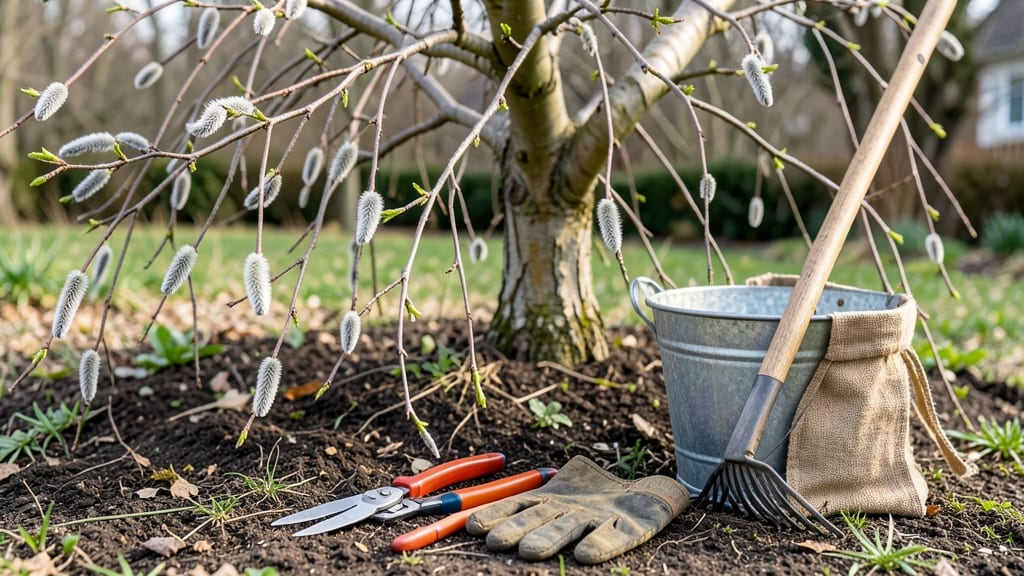
Pruning pussey willow trees in late winter unlocks their full potential—those fragrant, fuzzy catkins return thicker and more abundant. 🌿 I learned the hard way that skipping this step means leggy branches and sparse blooms, but once I mastered the timing and technique, my willow transformed from a sad shadow into a fragrant spring showstopper.
The secret lies in cutting back one-third of the previous year’s growth right before buds swell. You’ll need sharp loppers for thicker branches and a clean pair of hand pruners for finer cuts—no jagged edges allowed.
The goal is to encourage new growth from the base while maintaining that signature willow silhouette.
By mid-spring, you’ll see fresh green shoots pushing through the old wood, and those signature golden catkins will blanket your tree like a fuzzy cloud.
The fragrance alone makes it worth the effort—imagine walking past your tree in May and being hit with that sweet, resinous scent that attracts bees by the hundreds.
Works for both young and mature trees, though established willows may need a ladder. The key is patience—don’t rush the cuts, and avoid pruning in fall, when wounds heal poorly. Your willow will reward you with years of lush, fragrant growth if you stick to this schedule.
📚 In This Guide
- What you need
- Instructions
- Tips and common mistakes
- Wrapping up and next steps
What you need
- ● Pruning shears: Bypass pruners (sharp, 6-8" blades) for clean cuts on small branches.
- ● Loppers: Bypass or anvil type (8-12" blades) for medium branches (½–2" diameter).
- ● Pruning saw: Curved-tooth or folding saw for thick branches (2"+ diameter).
- ● Gloves: Heavy-duty, cut-resistant (e.g., leather or reinforced fabric) to protect hands.
- ● Disinfectant: Rubbing alcohol (70%+) or bleach solution (1 part bleach to 9 parts water) to sterilize tools between cuts.
- ● Heavy-duty trash bags: 20+ gallon capacity for debris disposal (or a wheelbarrow if hauling large branches).
- ● Ladder or step stool: Sturdy, extendable (if tree exceeds 6–8 feet tall).
- ● Safety glasses: ANSI-rated to shield eyes from debris.
- ● Work boots: Closed-toe, slip-resistant for stability on uneven terrain.
- ● Hand pruners: Compact, ergonomic for precision trimming of tiny branches.
- ● Pole saw: Extendable (for high branches without a ladder).
- ● Tree wound dressing: Pruning sealant (controversial—skip if unsure; pussey willows heal well naturally!).
- ● Marking spray: Biodegradable paint to tag branches for removal (useful for complex pruning plans).
- ● First-aid kit: Basic supplies (bandages, antiseptic wipes) for minor cuts or scrapes.
Step-by-step guide to pruning pussey willow trees
Here's how to revive your fragrant willow and encourage dense, healthy growth—without over-pruning.
✂️ Step 1: Time Your Prune for Late Winter Dormancy
Prune your Pussey willow in late winter (just before buds swell) when the tree is fully dormant. This timing ensures you remove dead wood while leaving enough foliage for spring photosynthesis. I always check for tight, plump buds—that's your signal the tree is ready. Avoid pruning after buds break, or you'll cut off next season's growth.
Use a sharp pruning saw for thick branches and hand pruners for thinner stems. Disinfect tools with rubbing alcohol between cuts to prevent spreading disease. If your willow has any brown, brittle branches, remove those first—they're already dead and won't regrow.
✂️ Step 2: Remove Dead, Diseased, and Crossing Branches
Start by eliminating dead or diseased wood—these branches won't regrow and can harbor pests. Look for hollow stems, blackened bark, or fungal growth. Cut back to the main trunk or a healthy lateral branch using a clean, angled cut just outside the branch collar. This prevents water from pooling and causing rot.
Next, remove crossing or rubbing branches—these create wounds and weaken the tree. If two branches grow too close, prune the smaller one back to its origin. I always step back after each cut to check the tree's shape. The goal is an open, airy canopy that lets sunlight reach the inner branches.
☀️ Step 3: Thin the Canopy for Light Penetration
Pussey willows thrive with good airflow, so thin the canopy by removing up to 25% of the foliage. Focus on overcrowded areas where branches grow too close together. Cut back to a healthy lateral branch or the main trunk—never leave a stub. You'll see a lighter, more open structure after thinning, which encourages new growth.
For fragrant branches, prioritize keeping the outermost, most vigorous growth. These will produce the best scent and foliage. If your willow has long, leggy branches, shorten them by one-third to encourage bushier regrowth. Avoid heavy pruning—willows respond best to gradual shaping.
🌿 Step 4: Shape for Balance and Encourage New Growth
Step back and assess the tree's shape. Pussey willows naturally grow in a rounded, weeping form, so prune to maintain that silhouette. If one side looks bare, select a few strong branches on that side and shorten them slightly. This redirects energy to fill out the canopy.
Make your final cuts just above a bud or lateral branch, angled slightly away from the branch collar. Seal larger cuts (over 1 inch in diameter) with pruning sealant to prevent disease. After pruning, water the base deeply to help the tree recover. You'll notice new buds swelling within weeks—that's your sign the pruning worked.
⏰ Step 5: Monitor and Maintain Through Spring
Keep an eye on your willow in early spring. If you see yellowing leaves or wilting, it may be stressed from over-pruning. Push a finger into the soil—if it's bone-dry, water deeply. Willows are drought-tolerant but need consistent moisture after heavy pruning.
Fertilize lightly in early spring with a balanced, slow-release fertilizer to support new growth. Avoid heavy feeding—willows prefer lean soil. Mulch the base with 2-3 inches of organic mulch to retain moisture and suppress weeds. By summer, you should see a fuller, fragrant canopy—proof your pruning paid off.
Tips & tricks for pruning pussey willow trees
A few strategic moves will help you transform your willow's growth and fragrance this season.
Timing is Everything: Late winter is your ideal window—look for tight, plump buds that haven't yet broken. If you miss this timing, you risk cutting off next year's growth. I've learned this the hard way after seeing willows struggle when pruned too early or late. The key is to work just before those buds start swelling, usually around late February to early March in most climates. This ensures you remove winter-killed wood while preserving the tree's energy reserves for spring.
Tool Prep Matters: Never skip disinfecting your tools between cuts! I use rubbing alcohol on my pruners and saw blades to prevent spreading fungal diseases between branches. For larger cuts, I keep a small bottle of alcohol in my tool belt. Also, make sure your blades are sharp—dull tools crush wood instead of making clean cuts, which invites disease. A quick test: if you're pushing hard to cut through a branch, your tools need sharpening.
Canopy Thinning Strategy: When you're thinning that 25% of foliage, focus on the interior branches first. These often get shaded out and produce less fragrance. I like to work from the inside out, removing the smallest branches that aren't contributing to the tree's structure. This creates that open, airy look while maximizing sunlight exposure for the remaining branches. Remember, you're aiming for a rounded silhouette—think of it as sculpting rather than just hacking away.
Post-Pruning Care: After you've finished shaping, give your willow a deep watering right at the base. This helps the tree recover from the stress of pruning. I also recommend applying a 2-3 inch layer of organic mulch around the drip line (the edge of the tree's canopy). This helps retain moisture and prevents weeds from competing with your willow for nutrients. The mulch also regulates soil temperature, which is especially helpful during those late winter pruning sessions.
Pro Tips for Pruning Pussey Willow Trees
- A few strategic moves will help you transform your willow's growth and fragrance this season.
- Timing is Everything: Late winter is your ideal window—look for tight, plump buds that haven't yet broken.
- Tool Prep Matters: Never skip disinfecting your tools between cuts!
Frequently asked questions
Got questions about pruning your pussey willow trees? You’re not alone!
Here are some of the most common concerns—and their answers—to help you tackle this task with confidence. Whether you're a first-timer or just need a quick refresher, we’ve got you covered.
When is the best time to prune pussey willow trees?
Late winter (just before new growth starts) is ideal—typically between January and early March. This timing promotes vigorous spring regrowth while avoiding the stress of summer pruning. If you miss the window, early spring (before buds swell) is the next best option. Avoid pruning in fall or winter when the tree is dormant, as it can invite pests or disease.
How much can I cut back without harming the tree?
Pussey willow trees are resilient! You can safely remove up to 30-50% of the previous year’s growth to encourage bushier, fragrant foliage. For overgrown or leggy branches, don’t hesitate to cut them back to the ground—they’ll sprout fresh shoots. Just avoid heavy pruning more than once every 2-3 years to prevent stress.
What should I do if my tree bleeds sap after pruning?
Sap bleeding (or "weeping") is normal for willows—it’s their way of sealing wounds. To minimize mess, prune on a dry day and avoid cutting during warm weather. If sap is excessive, apply pruning sealant (optional for willows) or let it dry naturally. Over time, the tree will heal, and the sap flow will slow.
Can I prune pussey willow trees in containers or small yards?
Container-grown pussey willows thrive with pruning—just use sterilized shears and trim back 1/3 of the height annually to maintain shape. For small spaces, focus on removing crossing or weak branches first, then lightly shape the canopy. Dwarf varieties (like ‘Nana’) are perfect for tight spots and need less aggressive pruning.
What’s the difference between pruning for shape vs. rejuvenation?
| Goal | How to Prune | Best Time |
|---|---|---|
| Shape | Trim selectively to maintain form—remove dead, crossing, or overcrowded branches while preserving natural silhouette. | Late winter or early spring. |
| Rejuvenation | Cut back hard (up to 50%) to stimulate new growth. Ideal for overgrown or leggy trees. | Late winter (avoid rejuvenation pruning more than once every 3 years). |
Pro tip: Combine both methods—shape first, then rejuvenate if needed!
Wrapping up and next steps
Pruning your pussey willow in late winter isn’t just about shaping—it’s about unlocking its full potential for vibrant, fragrant blooms and lush growth.
By following the right techniques, timing, and tools, you’ll give your tree the care it needs to thrive. Now’s your chance to roll up those sleeves and transform your garden!
Ready to take action? Mark your calendar for late winter (just before buds swell) and gather your supplies. Then, step outside and get pruning—your willow’s future beauty starts with your hands today! 🌿✂️