
Pruning
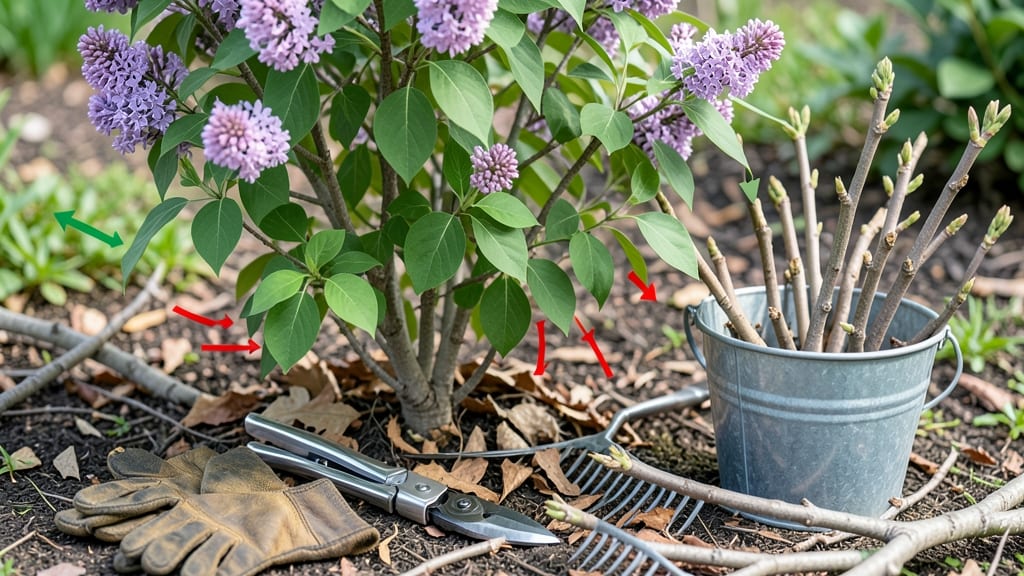
Pruning lilacs tips reveal their true potential—that first burst of purple every spring starts with a few sharp cuts. 🌸 I spent years watching my lilacs struggle until I learned the secret: prune after they bloom, never in summer, and always with clean tools. The difference? A bush that explodes with flowers instead of sparse, leggy branches.
You’ll need bypass pruners (never dull shears), rubbing alcohol for sterilizing cuts, and gloves—lilacs bleed sap that stains. The goal is to remove last year’s flower stalks and shape the bush by cutting back old wood to just above a strong bud.
Think of it like giving your lilac a haircut: shorter layers = more energy for blooms.
After pruning, your lilac will send out new growth within weeks, with buds forming by early summer. The key is patience—don’t rush to prune again until next year. Over-pruning kills the plant; the right cuts mean years of abundant blooms with minimal effort.
Works for all lilac varieties, from classic Syringa vulgaris to dwarf types. Here’s how to avoid the mistakes that turn lilacs into shrubbery—like cutting too late or shaping like a topiary. Let’s get those canes revived!
📚 In This Guide
- What you need
- Instructions
- Tips and common mistakes
- Wrapping up and next steps
What you need
- ● Pruning shears or bypass pruners – Choose sharp, high-quality shears with a 4- to 6-inch blade for clean cuts. (Avoid dull tools—they crush stems and invite disease!)
- ● Loppers – For thicker branches (over ½-inch diameter), opt for bypass loppers with a 6- to 8-inch reach.
- ● Pruning saw – Only if dealing with very thick, woody stems (rare for lilacs). A curved-tooth saw minimizes tear-out.
- ● Gloves – Heavy-duty gardening gloves (leather or reinforced) to protect against thorns and sap.
- ● Disinfectant (70% isopropyl alcohol or bleach solution) – Wipe tools before and after each cut to prevent bacterial/fungal spread.
- ● Rubbing alcohol wipes – For quick tool disinfection mid-pruning.
- ● Sharpie marker – Label dormant canes if you’re unsure which to remove (e.g., "KEEP" vs. "REMOVE").
- ● Trash bags or bucket – Collect pruned branches for compost or disposal.
- ● Ladder or step stool – If lilacs are over 6 feet tall (safety first!).
- ● Hand lens or magnifier – Spot hidden pests or diseases in stems.
- ● Choose the right time: Prune immediately after flowering (late spring/early summer) or in early spring before buds swell.
- ● Check the weather: Avoid pruning if rain is forecasted within 24 hours (wet cuts heal slower).
- ● Identify dormant canes: Look for dead, diseased, or weak stems (no green buds, hollow centers, or odd discoloration).
Step-by-Step guide to pruning lilacs for healthy growth
Here's how I bring my lilacs back to life every year—keeping them bushy and blooming beautifully.
✂️ Step 1: Prune Immediately After Flowering
Wait until 4-6 weeks after blooming when flowers have fully faded and seed pods form. This timing ensures you don’t cut off next year’s buds hidden in last year’s growth. I always prune in early to mid-summer when the plant has finished flowering but still has plenty of energy stored.
Start by removing any dead, diseased, or crossing branches first. These are easy to spot—they’re brown, brittle, or growing inward. Cut them back to healthy wood at a 45-degree angle just above an outward-facing bud. This prevents water from pooling on the cut and encourages new growth in the right direction.
🌿 Step 2: Thin Out Overcrowded Branches
Look for branches that are rubbing against each other or growing straight up instead of outward. These need to go—they compete for energy and weaken the plant. I remove about one-third of the oldest wood each year to keep the plant rejuvenated. Older branches are thicker and often produce fewer flowers.
Use sharp, clean pruners to make cuts just outside the branch collar (the swollen area where the branch meets the trunk). Avoid leaving stubs—this invites disease. If a branch is thicker than your wrist, use loppers instead of hand pruners to avoid damaging the plant.
☀️ Step 3: Shape the Plant for Better Airflow
Step back and look at the lilac’s overall shape. You want an open, vase-like form that lets sunlight and air reach the center. Cut back some of the longest branches to encourage a more compact, rounded shape. This also prevents the plant from becoming top-heavy and leaning.
Focus on branches that grow toward the center of the plant. Cutting these back to a strong outward-facing bud opens up the center and improves airflow. This reduces the risk of fungal diseases like powdery mildew, which loves damp, shaded conditions. A well-shaped lilac blooms more evenly and lasts longer.
⏰ Step 4: Clean Up and Monitor Growth
After pruning, rake up and dispose of all clippings—especially if they show signs of disease. Don’t compost diseased material. Once the cuts are made, water the plant deeply to help it recover. Lilacs are tough, but a good drink of water after pruning gives them a boost.
Watch for new growth in the following weeks. If you see fresh green shoots emerging from where you pruned, that’s a great sign! Fertilize lightly in early spring with a balanced, slow-release fertilizer to support new growth. Avoid heavy feeding right after pruning—it can encourage tender, disease-prone growth.
Tips & tricks for perfect lilac pruning
Took me years to figure out these tricks—now my lilacs bloom like crazy every spring.
Timing is Everything: The 4-6 week wait after blooming might feel like forever, but it's non-negotiable. I learned this the hard way after accidentally cutting off next year's buds by pruning too early. Mark your calendar right after your lilacs finish flowering to remember this crucial window. The seed pods are your visual cue—they should be fully formed before you touch the shears.
The 45-Degree Angle Secret: When cutting back branches in Step 1, that 45-degree angle isn't just for looks—it's about water runoff. I used to make straight cuts and noticed water pooling on the wounds, leading to fungal issues. Always cut just above an outward-facing bud to direct new growth where you want it. This simple technique makes all the difference in plant health.
One-Third Rule: Removing one-third of the oldest wood each year keeps your lilac vigorous. I track which branches I prune annually so I don't accidentally remove too much. Older branches often look sturdy but actually sap energy from newer growth. Think of it like giving your plant a haircut—you want to maintain shape while encouraging healthy regrowth.
Cleanup Matters: After pruning, I always clean up thoroughly—especially diseased branches. I keep a separate trash bag for prunings and never compost anything that looks suspicious. This prevents reinfecting your plant. A deep watering afterward helps the cuts heal faster and gives your lilac a fresh start for the growing season.
Pro Tips for Pruning Lilacs Tips
- Took me years to figure out these tricks—now my lilacs bloom like crazy every spring.
- Timing is Everything: The 4-6 week wait after blooming might feel like forever, but it's non-negotiable.
- The 45-Degree Angle Secret: When cutting back branches in Step 1, that 45-degree angle isn't just for looks—it's about water runoff.
Frequently asked questions
Got questions about pruning lilacs? You’re not alone! Here are answers to the most common concerns—from timing tricks to troubleshooting mistakes—so you can prune like a pro.
When is the best time to prune lilacs?
Prune lilacs right after they bloom (late spring to early summer) to avoid cutting off next year’s flowers. If you missed this window, wait until late summer or early fall—but avoid pruning in winter, as it stresses the plant. For overgrown shrubs, you can do light pruning in stages over 2–3 years.
Can I prune lilacs in fall or winter?
While lilacs are dormant in fall/winter, pruning then risks exposing them to cold damage and encourages weak growth. If you must prune, do it in late winter (just before buds swell)—but avoid heavy cuts. Fall pruning is only ideal for removing dead or diseased wood immediately after spotting it.
How do I prune lilacs for bigger, fuller blooms?
To encourage larger, more abundant flowers, prune selectively:
Pro tip: Younger lilacs (under 3 years) need minimal pruning—just shape lightly to avoid stress. Don’t panic! Lilacs are resilient. If you’ve accidentally pruned off buds:
Good news: Lilacs often rebound quickly—just adjust your timing next year! Basic tools work, but these make the job easier:
Bonus tip: Sharpen blades before pruning—dull tools crush stems, inviting pests and disease.
What if I cut off all the flower buds by mistake?
Do I need special tools for pruning lilacs?
Wrapping up and next steps
Pruning lilacs might seem daunting, but with the right timing and technique, you can revive dormant canes and encourage lush, vibrant blooms for years to come. Remember: cut back in late winter or early spring, use sharp tools, and never trim more than one-third of the plant at once.
Your lilacs will thank you with stunning fragrance and beauty!
Ready to give your lilacs the TLC they deserve? Grab your pruners and get started—your garden’s next masterpiece is just a trim away! 🌸✂️