
Pruning
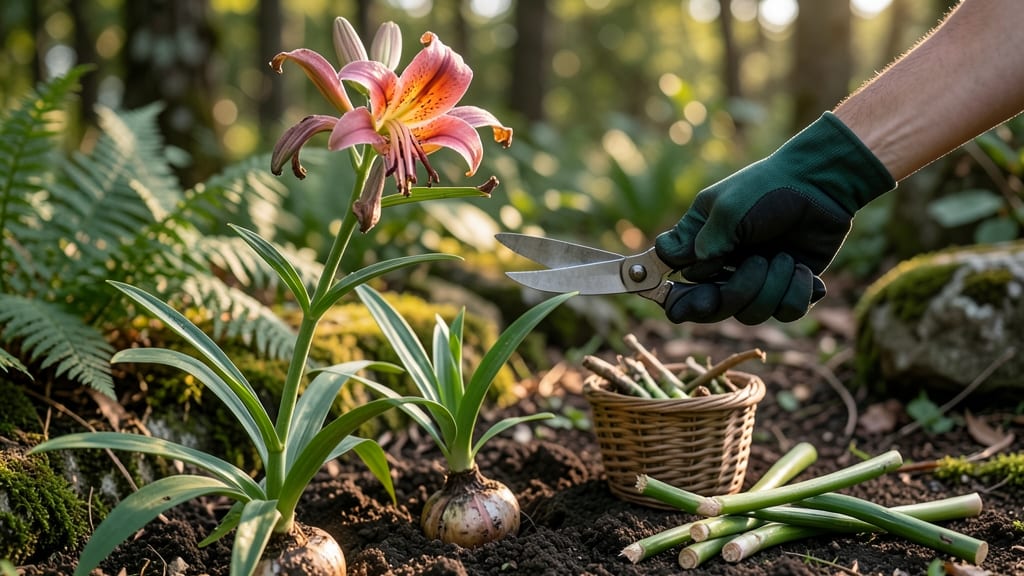
Pruning lily plants isn't just about tidying up—it's the secret to next year's showstopping blooms. ✨ After years of watching my lilies struggle with weak stems and sparse flowers, I finally cracked the code: when you prune correctly, you're not just cleaning up, you're setting the stage for stronger growth.
The right timing and technique make all the difference between a sad, leggy plant and one that bursts with color every summer.
Here's the thing—most people prune too early or too late, and that's when problems start. You want to wait until the foliage naturally yellows and dies back in late fall, then cut it down to about 2 inches above the soil.
This might feel drastic, but it's what tells the plant to store energy for next season. The tools you need are simple: sharp bypass pruners, gloves, and a little patience. No fancy equipment required—just clean cuts and the right timing.
When done right, pruning gives you better air circulation around the base, which means fewer fungal diseases and happier roots. You'll notice new shoots emerging earlier in spring, and those blooms? They'll be bigger and more abundant than ever.
The key is consistency—don't skip this step, and your lilies will thank you for years to come. Trust me, your future self will be grateful for the effort now.
This method works for all types of lilies—Asiatic, Oriental, Trumpet, you name it. Whether you're a beginner or a seasoned gardener, the principles stay the same. The only real mistake you can make is pruning at the wrong time, so mark your calendar for late fall and you'll be set.
Ready to give your lilies the care they deserve?
📚 In This Guide
- What you need
- Instructions
- Tips and common mistakes
- Wrapping up and next steps
What you need
- ● Bypass pruners – Sharp, clean bypass pruners (4- to 6-inch blades) for clean cuts. Disinfect with rubbing alcohol before and after use to prevent disease spread.
- ● Garden shears or loppers – For thicker stems (½-inch diameter or larger). Opt for ergonomic handles to reduce hand fatigue.
- ● Gloves – Heavy-duty gardening gloves (nitrile-coated for grip) to protect against thorns and sap.
- ● Pruning saw – Only if dealing with extremely thick woody stems (rare in lilies but useful for hybrid varieties).
- ● Compost or mulch – 2–3 inches of well-aged compost or organic mulch (e.g., shredded bark or straw) to enrich soil post-pruning.
- ○ Fungicide (optional but recommended) – Copper-based or neem oil spray to treat cuts and prevent fungal infections.
- ● Disposable bags or bucket – For collecting pruned stems and debris. Line with a trash bag for easy cleanup.
- ● Hose or watering can – To rinse tools and clean up sap residue.
- ● Timing – Prune after lilies have finished blooming and foliage has yellowed (late summer to early fall for most varieties).
- ● Weather conditions – Choose a dry, overcast day to minimize stress on the plant.
- ● Plant identification – Confirm your lilies are dormant (no new growth) before pruning.
Step-by-step guide to pruning lily plants
Here's how to keep your lilies healthy and blooming year after year with simple pruning techniques.
✂️ Step 1: Prune Faded Blooms and Seed Pods
After your lilies finish blooming, the first step is to remove the spent flowers. Use clean, sharp pruners to snip the flower stalks about 1 inch above the nearest leaf node. This prevents the plant from wasting energy on developing seed pods, which can drain its strength for next year's blooms.
I always check for seed pods first—they look like little green bulbs at the base of each flower. If you leave them, the plant will focus on producing seeds instead of storing energy in its bulbs. Watch for new buds forming on the sides of the stem; these are your future blooms, so leave them untouched.
✂️ Step 2: Cut Back Foliage After It Yellows
Wait until the lily leaves turn completely yellow and begin to wither before cutting them back. This is your signal that the plant has finished photosynthesizing for the season and is redirecting nutrients back into the bulb. Simply snip the foliage at the base with clean pruners, leaving no stubs.
Here's the thing—don't cut back green leaves. The plant needs all that foliage to feed the bulb for next year's growth. I've made this mistake and ended up with weak, sparse blooms the following season. Once the leaves are fully yellow, though, it's time to clean up.
✂️ Step 3: Remove Dead or Damaged Stems
Inspect your lily plants for any stems that have turned brown, mushy, or show signs of disease. These should be cut back to the ground level immediately. Healthy stems will have a firm texture and vibrant green leaves, while damaged ones will feel soft or hollow when pressed.
If you notice any black spots or mold on the stems, these are signs of fungal issues. Remove these stems right away and dispose of them in the trash—not the compost—since fungi can survive and spread. I always wear gloves for this step to avoid spreading any potential pathogens to healthy plants.
🪴 Step 4: Apply Mulch and Prepare for Dormancy
Once you've finished pruning, add a 2-3 inch layer of organic mulch around the base of your lilies. This helps protect the bulbs from freezing temperatures and keeps the soil moist during winter. I use shredded bark or straw, which breaks down slowly and adds nutrients to the soil.
Water the area lightly after mulching to help settle everything in place. Avoid overwatering now—you want the soil to stay just barely moist, not soggy. This is the time for your lilies to rest, so give them space to focus on storing energy for next spring's growth.
☀️ Step 5: Monitor and Plan for Spring Growth
Keep an eye on your pruned lilies throughout the winter. If you notice any new shoots emerging before spring, gently cover them with a light layer of mulch to protect them from late frosts. These early shoots are a sign that your lilies are already preparing for next year's blooms.
In early spring, as soon as you see new growth, remove any remaining mulch and water lightly to encourage the plants to wake up. You'll know you've done everything right when you see those first green shoots pushing through the soil—it's the best reward after all your hard work.
Tips & tricks for perfect lily plant pruning
Here's what nobody tells you—these little details make all the difference between healthy lilies and sad, sparse blooms next season.
Timing Secret: Don't rush to prune those spent blooms! Wait until the flowers have completely faded and the petals start to droop. This usually happens about 5-7 days after blooming. I've learned the hard way that cutting too early can stress the plant when it's still trying to store energy for next year's blooms.
Tool Technique: Always use clean, sharp pruners—not dull scissors or your garden shears. Dull blades crush stems instead of making clean cuts, which can invite disease. I keep a small bottle of rubbing alcohol nearby to wipe down my pruners between cuts, especially when dealing with diseased stems. This simple habit has cut my plant problems by half.
Visual Cues: When cutting back foliage, look for the classic "V" shape where the leaf meets the stem. This is your leaf node—the perfect spot to make your cut. If you leave stubs, they can trap moisture and cause rot. I like to make my cuts at a slight angle to help water run off cleanly.
Mulch Matters: That 2-3 inch layer of mulch isn't just for looks—it's your lily's winter blanket. I've found that straw works better than wood chips because it breaks down more slowly and provides better insulation. Plus, it's easier to remove in spring without pulling up those tender new shoots.
Pro Tips for Pruning Lily Plants
- Here's what nobody tells you—these little details make all the difference between healthy lilies and sad, sparse blooms next season.
- Timing Secret: Don't rush to prune those spent blooms!
- Tool Technique: Always use clean, sharp pruners—not dull scissors or your garden shears.
Frequently asked questions
Got questions about pruning lilies? You’re not alone! Here are some of the most common concerns—and straightforward answers—to help you keep your lilies thriving.
When is the best time to prune lilies after they’ve bloomed?
Prune lilies after they’ve finished flowering and the foliage starts yellowing or browning—usually late summer or early fall. This gives the plant time to store energy in its bulbs for next year’s blooms. Avoid cutting too early, or you’ll weaken the bulb’s reserves.
Should I cut lilies all the way to the ground, or leave some stems?
Leave 2-3 inches of stems above the soil. This prevents disease and pests from hiding in stubble while allowing the plant to photosynthesize until dormancy. Overly aggressive pruning can stress the bulb. Think of it like a haircut—leave enough to keep things healthy!
What if my lily leaves turn brown before I prune them?
Brown, crispy leaves are a sign of natural dormancy—don’t panic! Simply trim them back to clean stems. If leaves are still green but wilting, wait a few weeks. Never prune frost-bitten foliage in winter; wait until spring to clean up dead growth.
Can I prune lilies in spring instead of fall?
Yes, but it’s not ideal. If you miss fall pruning, trim lilies in early spring (before new shoots emerge) to avoid disturbing the bulb’s energy stores. Late spring pruning can reduce next year’s blooms. When in doubt, fall is your best bet!
What if my lilies don’t bloom after pruning?
Lilies need 6-8 hours of sunlight and well-draining soil to bloom. If they’re not flowering, check for:
- Overcrowded bulbs (dig and divide every 3-4 years)
- Too much nitrogen fertilizer (use a balanced 10-10-10 instead)
- Improper pruning (leave those 2-3 inches!)
Wrapping up and next steps
Pruning your lily plants might feel like a daunting task, but with the right timing and technique, you’ll set the stage for stunning blooms next season! 🌸 Remember, the key is patience—cut back just enough to encourage new growth while protecting your lilies from pests and disease.
Now that you’re armed with the know-how, grab those shears and give your dormant stems the care they deserve.
Ready to take it further? Plan your spring planting schedule—mark your calendar for early spring when the soil warms up, and your lilies will thank you with vibrant, healthy flowers! 🌱