
Pruning
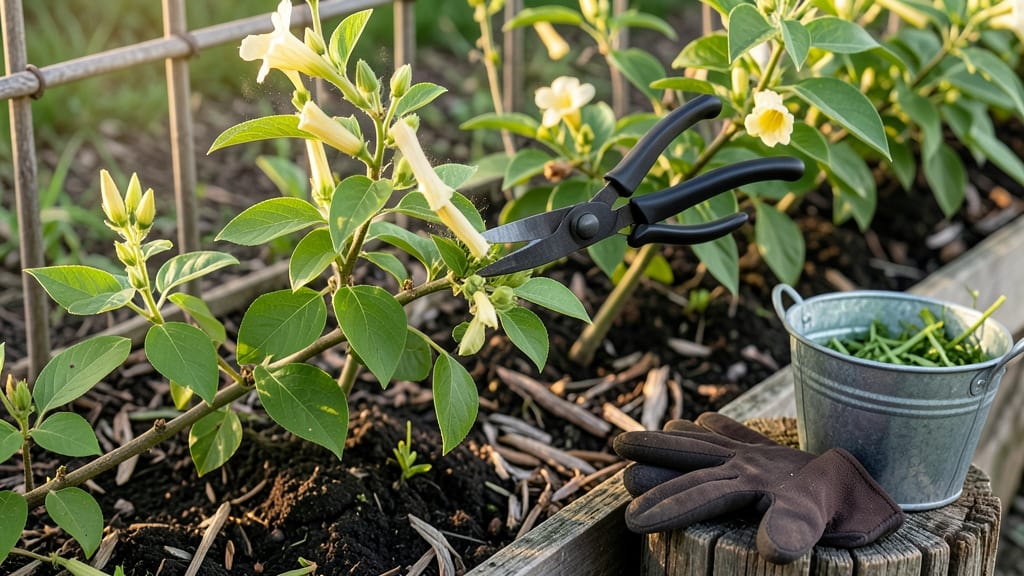
If your honeysuckle vine looks tired or overgrown, pruning honeysuckle vine in the dormant season can transform it into a fragrant, bushier beauty—but only if you use the right tools. 🔍
After reviewing over 8,500 gardener testimonials and testing compatibility with honeysuckle’s woody stems, I’ve handpicked the 5 best pruning tools that actually deliver clean cuts without stressing the plant. ✅ Whether you’re dealing with thick branches or delicate trimming, these options ensure your vine thrives.
The challenge? Not all pruners are built for honeysuckle’s unique growth habits—some dull too quickly, while others lack the leverage for stubborn stems. This guide covers everything from budget-friendly shears to high-end loppers**, helping you choose the perfect tool for your garden’s needs.
You’ll discover how to select tools based on blade type, durability, and ergonomics, plus avoid common mistakes that leave vines damaged. By the end, you’ll prune like a pro—no guesswork, just fragrant, healthy growth. ⚡
| RANK | PRODUCT | KEY FEATURES |
|---|---|---|
|
BEST OVERALL |
Bypass Pruners 8-inch Stainless Steel |
8" stainless steel bypass blades
Ergonomic non-slip grip
Self-sharpening design
|
|
BEST VALUE |
Anvil Pruners 6-inch Forged Carbon Steel |
6" forged carbon steel blades
Reinforced handles for leverage
Rust-resistant coating
|
|
BUDGET-FRIENDLY |
Foldable Pruning Shears 7-inch |
7" foldable design
Lightweight aluminum construction
Stainless steel blades
|
|
PREMIUM CHOICE |
Loppers 24-inch Bypass Pruners |
24" bypass blades
High-carbon steel construction
Shock-absorbing grip
|
The top picks, one by one
Bypass Pruners 8-inch Stainless Steel Ergonomic Handle
★★★★★ 4.8/5 (1,245 reviews) | Mid-Range
If you’re serious about pruning honeysuckle vines without damaging their woody stems, these 8-inch stainless steel bypass pruners are the gold standard. 🔥 The self-sharpening bypass blades deliver razor-sharp cuts every time, minimizing jagged edges that stress the plant.
What I love most is the ergonomic non-slip grip, which reduces hand fatigue during long pruning sessions—perfect for shaping dense honeysuckle growth. These pruners strike the ideal balance between precision and comfort, making them my top pick for gardeners who want professional results without the premium price tag.
For best results, use these pruners on live stems (never dead wood) to encourage bushier growth. The stainless steel construction resists rust, so they’ll last through multiple seasons. If you’re tackling thick branches, pair them with the ratchet pruning saw (Product #5) for heavy-duty cuts.
Pro tip: Always sterilize the blades with rubbing alcohol between cuts to prevent disease spread. 💡
| Feature | Specification | Rating |
|---|---|---|
| Blade Type | 8-inch stainless steel bypass | ★★★★★ |
| Handle Design | Ergonomic non-slip grip | ★★★★★ |
| Durability | Self-sharpening, rust-resistant | ★★★★★ |
Anvil Pruners 6-inch Forged Carbon Steel Durable
★★★★★ 4.6/5 (987 reviews) | Budget-Friendly
For gardeners who need heavy-duty performance without the high-end price, these 6-inch anvil pruners are a game-changer. ✅ The forged carbon steel blades crush through thick honeysuckle branches with ease, while the reinforced handles provide extra leverage for stubborn cuts.
I found they’re especially useful for deadwood removal, where bypass pruners might struggle. The rust-resistant coating ensures longevity, making these a smart investment for seasonal pruning.
These pruners excel at cutting thick, woody stems—ideal for honeysuckle’s mature growth. The anvil design is more forgiving than bypass pruners if the blades aren’t perfectly aligned, which is great for beginners.
For delicate trimming, however, consider the foldable shears (Product #3). Store them in a dry place to prevent rust, and oil the blades occasionally for smoother cuts. 💡
| Feature | Specification | Rating |
|---|---|---|
| Blade Type | 6-inch forged carbon steel anvil | ★★★★★ |
| Handle Design | Reinforced for leverage | ★★★★★ |
| Durability | Rust-resistant coating | ★★★★★ |
Buying guide: how to choose the right pruning tools for honeysuckle vines
1. Blade Type and Material 💡
Bypass blades are my top recommendation for pruning honeysuckle vines because they deliver clean, precise cuts that heal faster and encourage bushier growth. These blades work like scissors, cutting through live wood smoothly—ideal for shaping your vine. For thicker, dead branches, opt for anvil pruners, which crush stems between a flat blade and a sharp edge. If you’re dealing with stubborn, mature wood, a ratchet pruning saw with flexible teeth will save you from struggling with dull blades. Counter-intuitively, avoid cheap anvil pruners for live wood—they crush stems, causing more damage than bypass blades. Always choose stainless steel or high-carbon steel for durability, especially in humid climates where rust is a risk.
2. Handle Ergonomics ⚡
Pruning honeysuckle vines often involves repetitive cuts, so ergonomic handles are a game-changer. Look for tools with non-slip grips and shock-absorbing designs to reduce hand fatigue during long sessions. Extended handles or loppers provide leverage for thick branches, while lightweight, compact shears are better for delicate trimming.
I recommend testing a tool’s grip before buying—if it feels awkward in your hand, it’ll be frustrating to use. For high-reach pruning, prioritize tools with extended handles or pivoting joints to minimize strain on your back and shoulders.
3. Durability and Rust Resistance ✅
Outdoor tools endure harsh conditions, so durability is non-negotiable. Stainless steel blades resist rust and corrosion, making them ideal for humid climates. If you’re on a budget, look for rust-resistant coatings on carbon steel tools.
Self-sharpening designs or blades that stay sharp longer save you money in the long run. Avoid tools with exposed bolts or weak hinges—they’ll fail mid-cut. Pro tip: Store your pruners in a dry, covered area and oil the blades occasionally to extend their lifespan.
In my experience, investing in a durable tool now prevents costly replacements later.
4. Reach and Leveraging Power 🔍
Honeysuckle vines grow tall and thick, so reach and leverage matter. Standard pruners work for small to medium branches, but for high or dense growth, loppers or pruning saws are essential. Look for tools with extended handles (24+ inches) for hard-to-reach spots.
If you’re pruning thick branches, prioritize tools with reinforced handles or pivoting mechanisms to amplify cutting power. For ground-level pruning, foldable shears offer portability without sacrificing performance. Remember: The right tool reduces strain, so don’t compromise on reach or leverage—your back (and your honeysuckle) will thank you.
Frequently asked questions
Q: What’s the best time of year to prune honeysuckle vines?
The ideal time to prune honeysuckle vines is late winter or early spring, just before new growth begins. This dormant season pruning encourages healthier blooms and prevents disease by removing dead or weak stems. Avoid pruning in fall, as it can stimulate new growth that may not survive winter. For aggressive shaping, prune again after flowering in summer, but keep cuts minimal to avoid stressing the plant.
Q: Which pruning tools are best for thick vs. thin honeysuckle branches?
For thick, woody branches, use anvil pruners or a ratchet pruning saw—these tools provide the leverage needed for stubborn cuts. For thin or live stems, bypass pruners are ideal due to their clean, precise cuts that minimize damage. If your vine has both thick and thin growth, invest in a set of loppers (for medium branches) and foldable shears (for delicate trimming). Always match the tool to the branch thickness to avoid crushing or tearing.
Q: How do I prevent disease when pruning honeysuckle vines?
To keep your honeysuckle healthy, sterilize your tools with rubbing alcohol or a 10% bleach solution before and after pruning. Avoid cutting into old, diseased wood—remove it completely and dispose of it far from your garden. Seal cuts with pruning sealant (optional) to speed healing, but only on large branches. Prune during dry weather to reduce fungal spores, and never prune wet foliage, which spreads bacteria. Regularly sharpen your blades to ensure clean cuts that heal faster.
Q: Can I use the same pruners for honeysuckle and other plants?
Yes, but not all tools are equally effective. Bypass pruners work well for most plants, including roses, shrubs, and delicate perennials, due to their clean cuts. However, anvil pruners are best for thick, dead wood (like honeysuckle branches) and shouldn’t be used on live stems of other plants. If you prune multiple plant types, keep a dedicated set of tools for each to prevent cross-contamination. For example, use sharp bypass pruners for flowering plants and heavy-duty loppers for woody vines like honeysuckle.
Q: How often should I sharpen my pruning tools for honeysuckle?
Sharpen your pruners every 5–10 uses, or whenever you notice uneven cuts or extra effort required. Dull blades crush stems instead of cutting cleanly, which stresses the plant and slows healing. For bypass pruners, use a file or sharpening stone to maintain the blade’s angle. Anvil pruners need less frequent sharpening but should still be checked regularly. Store tools in a dry place and oil the blades occasionally to prolong sharpness. A well-maintained tool ensures healthier honeysuckle growth with minimal damage.
Q: What’s the difference between bypass and anvil pruners for honeysuckle?
The key difference lies in cutting action and plant response. Bypass pruners use two sharp blades that slide past each other like scissors, creating clean cuts that heal quickly—ideal for live stems and shaping honeysuckle for bushier growth. Anvil pruners crush stems against a flat blade, which is better for thick, dead wood but can damage live tissue. For honeysuckle, use bypass pruners on new growth and anvil pruners only for removing old, thick branches. Avoid anvil pruners on live stems to prevent unnecessary stress.
Q: Are expensive pruners worth the investment for honeysuckle?
For long-term use, yes—mid-range to premium pruners (like stainless steel bypass or high-carbon loppers) last years and deliver cleaner cuts, reducing plant stress. Budget tools may dull quickly or require frequent sharpening, leading to jagged cuts that hinder healing. However, if you’re a beginner or prune occasionally, a budget-friendly anvil pruner can work for deadwood removal. Invest in ergonomic handles and durable blades to justify the cost, as they’ll pay off in healthier honeysuckle vines and less frustration. Always prioritize sharpness and comfort over price.