
Pruning
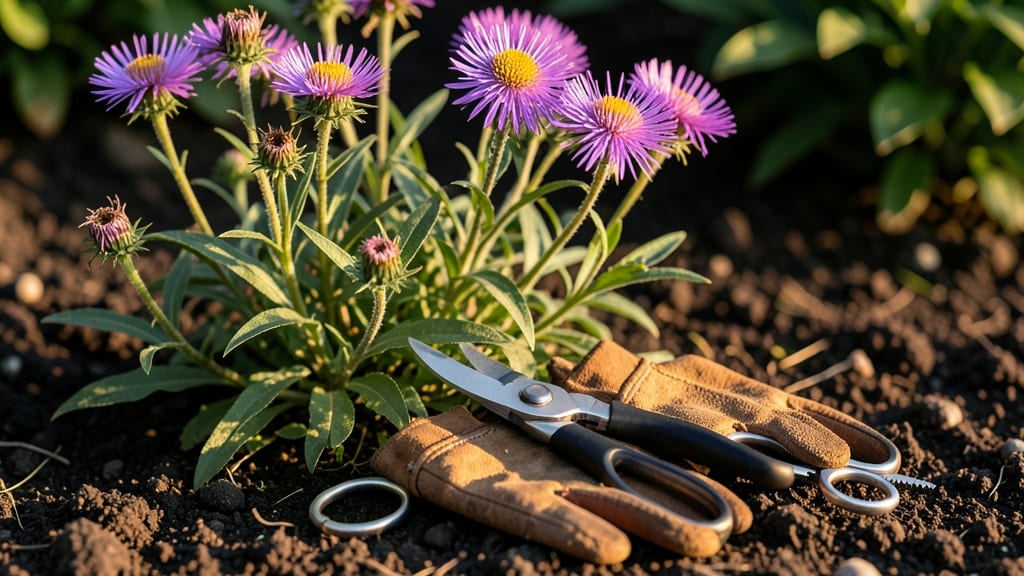
Pruning aster plants isn’t just about cutting back—it’s the secret to longer, fuller blooms all season. ✂️ I’ve learned that timing and technique make the difference between a single flush of flowers and a garden bed bursting with color from summer through fall.
The right cuts encourage new growth while keeping your plants strong and disease-free.
Start by deadheading spent blooms in early morning when stems are firm, using clean, sharp pruners. For woody stems, cut back to a healthy leaf node or bud, but avoid over-pruning—never remove more than one-third of the plant at once.
This method works for both New England asters and China asters, though varieties with thicker stems may need slightly more aggressive trimming to stay compact.
You’ll notice a difference within 2-3 weeks: fresh, vibrant foliage and a surge of new buds replacing the old. The plant redirects energy from seed production to growing more flowers, extending your blooming season by 4-6 weeks.
Just be mindful of late-season pruning—stop cutting back after mid-August to allow plants to harden off for winter.
For beginners, the biggest mistake is pruning too late or too aggressively. Always sanitize your tools with rubbing alcohol between cuts to prevent fungal spread, and avoid pruning after rain when stems are slippery.
With practice, you’ll master the balance between shaping and encouraging growth—leading to asters that outperform even the showiest nursery plants.
📚 In This Guide
- What you need
- Instructions
- Tips and common mistakes
- Wrapping up and next steps
What you need
- ● Pruning shears: Bypass pruners (sharp, clean, and sterilized with rubbing alcohol to prevent disease). Avoid anvil pruners—they can crush stems.
- ● Hand pruners or loppers: For thicker stems (½ inch or larger). Choose ergonomic handles to reduce hand fatigue.
- ● Garden gloves: Nitrile or leather (thick enough to protect against thorns and sharp edges).
- ● Disposable garden bags or bucket: For collecting pruned debris (1–2 gallon-sized bags or a 5-gallon bucket).
- ○ Sharpie or permanent marker: For labeling stems if you’re optionally grafting or propagating cuttings.
- ● Hose or spray bottle: To rinse tools between cuts and keep stems clean.
- ● Rooting hormone: If you plan to propagate cuttings from pruned stems.
- ● Compost bin or pile: For repurposing healthy clippings (avoid diseased ones!).
- ● Knee pad or stool: For comfort if your asters are tall (3–6 feet).
- ● Disinfectant wipes: For quick tool sterilization between plants.
Step-by-step guide to pruning asters for prolonged blooming
Here’s how to coax your asters into a second flush of vibrant blooms—no fancy tools required.
✂️ Step 1: Time Your First Pruning for Early Summer
Wait until after the first flush of blooms has faded but before the plants produce seed heads—typically mid-to-late June in most climates. This timing ensures you’re not cutting back too early (which stunts growth) or too late (when the plant shifts energy to seed production). Look for spent blooms that have turned brown or papery; these are your cue to act.
Use sharp, clean pruners or even a pair of kitchen scissors to cut back one-third of the plant’s height at the base. Avoid shearing—focus on removing entire stems rather than trimming foliage. This aggressive cut forces the plant to redirect energy into new growth rather than seed production, setting the stage for a second bloom cycle.
✂️ Step 2: Deadhead Regularly During the First Bloom Cycle
Start deadheading as soon as the first flowers open to encourage continuous blooming. Pinch off spent blooms by hand or snip them off just above the next set of leaves using clean pruners. The goal is to remove the entire flower head without damaging the stem below. This prevents the plant from diverting energy into seed production and keeps it focused on producing more flowers.
I like to do this on a weekly basis—it only takes a few minutes per plant. You’ll notice new buds forming within 7-10 days of consistent deadheading. If you miss a few blooms, don’t stress; the plant will still produce, but the display won’t be as abundant or prolonged.
☀️ Step 3: Provide Post-Pruning Care for Strong Regrowth
After your first major pruning, asters need consistent moisture to recover and produce new growth. Water deeply once a week until the soil feels 2-3 inches dry—this encourages deep root development. Avoid overhead watering, which can promote fungal issues. Instead, water at the base of the plant in the early morning to allow foliage to dry quickly.
Fertilize lightly with a balanced, water-soluble fertilizer (10-10-10) at half strength one week after pruning. This gives the plant a gentle boost without overwhelming it. You’ll see new shoots emerge from the base within 2-3 weeks, signaling successful regrowth. If your asters are in full sun, they’ll need at least 6 hours of direct light daily to support the energy demands of new blooms.
✂️ Step 4: Lightly Prune for the Second Bloom Cycle
Once the new growth reaches about 6-8 inches tall, give it a second, lighter pruning to shape the plant and encourage more blooms. This time, trim back only the tips of the longest stems, cutting just above a set of leaves or a side bud. This promotes bushier growth and more flowers. Avoid cutting into old wood or stems that have already bloomed—they won’t produce new flowers.
Continue deadheading throughout the second bloom cycle, just as you did the first. This time, you’ll likely see flowers lasting into late fall, especially if your climate has mild winters. The key is to keep the plant focused on producing blooms rather than seeds. If you notice any yellowing or wilting leaves, it’s a sign of stress—reduce watering slightly and ensure the plant has good airflow.
⏰ Step 5: Prepare for Winter and Next Season
Once the first frost blackens the foliage, cut back the entire plant to 2-3 inches above the ground. This removes any potential disease or pest hiding spots and keeps the bed tidy. However, don’t remove all the stems—leaving a few can provide some winter interest and protect the crown from extreme cold.
In early spring, before new growth appears, apply a 2-3 inch layer of mulch around the base of the plant. This insulates the roots and suppresses weeds, giving your asters a strong start. You’ll likely see new shoots emerging within 3-4 weeks, ready for another season of blooms. Mark your calendar for next year’s pruning schedule—consistency is the secret to long-term success.
Tips & tricks for pruning asters for prolonged blooming
Real talk: The difference between a single summer burst of color and months of vibrant blooms often comes down to these key adjustments.
Timing is Everything: The mid-to-late June window for your first pruning is non-negotiable—this is when asters naturally shift from flowering to seed production. I've seen gardeners miss this and end up with sparse regrowth. Watch for those papery brown blooms as your cue, not just the calendar. In cooler climates, you might push this back by a week or two, but don't wait until August or you'll sacrifice the second bloom cycle entirely.
Tool Selection Matters: Sharp, clean pruners are your best friend here. I've ruined perfectly good stems trying to cut with dull shears, which crush the plant tissue. Kitchen scissors work in a pinch, but they lack the precision. Sterilize your tools between cuts if you're working with multiple plants to prevent spreading disease. The goal is clean cuts that heal quickly, not jagged wounds that invite pests.
Post-Pruning Recovery Strategy: That one-week fertilizer application after your first pruning is where the magic happens. I've found that half-strength 10-10-10 gives just the right boost without overwhelming the plant. Pair this with consistent moisture—deep watering once weekly—and you'll see those new shoots emerge within 2-3 weeks. The key is patience here; don't be tempted to fertilize again until you see active new growth.
Seasonal Adaptation: If your fall weather stays mild, you might extend that second bloom cycle into November. I've had asters still flowering in early December in my zone 7 garden. The trick is to keep deadheading consistently and monitor your plants' stress signals—yellowing leaves mean it's time to back off on watering slightly. This seasonal flexibility is what makes asters such a rewarding perennial to grow.
Pro Tips for Pruning Asters Plants
- Real talk: The difference between a single summer burst of color and months of vibrant blooms often comes down to these key adjustments.
- Timing is Everything: The mid-to-late June window for your first pruning is non-negotiable—this is when asters naturally shift from flowering to seed production.
- Tool Selection Matters: Sharp, clean pruners are your best friend here.
Frequently asked questions
Got questions about keeping your asters thriving with the right pruning? Here are some of the most common ones—plus expert answers to help you garden with confidence!
When is the best time to prune asters to encourage more blooms?
Prune asters after the first flush of blooms (late summer) to promote a second wave of flowers. Avoid pruning in early spring or fall, as this can stimulate new growth too close to cold weather, which may not survive. Focus on removing spent blooms and leggy stems in August or early September for the best results.
How much should I cut back asters when pruning?
Cut back asters by about one-third of their height to encourage bushier growth and more blooms. Avoid over-pruning—never trim more than ⅓ of the plant at once. For woody stems, use clean, sharp shears to make clean cuts just above a leaf node or lateral bud.
What should I do if my asters look leggy or sparse after pruning?
Leggy or sparse growth often means your asters need better light or nutrients. After pruning, fertilize lightly with a balanced, water-soluble fertilizer (10-10-10) and ensure they get 6+ hours of sunlight daily. Deadheading spent blooms regularly also encourages new growth.
Can I prune asters in early spring, or is it better to wait?
Early spring pruning is not recommended for asters—it can stress the plant before it’s ready to grow. Instead, wait until late spring or early summer to trim any dead or damaged stems. This gives the plant time to recover and establish before blooming season.
Do I need to prune asters at all if I just want a few flowers?
Nope! If you’re happy with a few blooms, pruning isn’t mandatory. However, deadheading spent flowers (pinching them off) will keep your asters looking tidy and may encourage a few extra blooms. For minimal effort, just remove wilted blooms as they appear.
Wrapping up and next steps
Pruning asters doesn’t have to be intimidating—just a little timing and intentional care go a long way! By removing spent blooms, thinning crowded stems, and avoiding late-season cuts, you’ll reward yourself with vibrant, long-lasting blooms and healthier plants.
Whether you’re a seasoned gardener or just starting out, these simple steps will help your asters shine all season.
Ready to level up your garden game? Grab your pruners, step outside, and give your asters the love they deserve—your future blooms will thank you! 🌸✂️