
Pruning
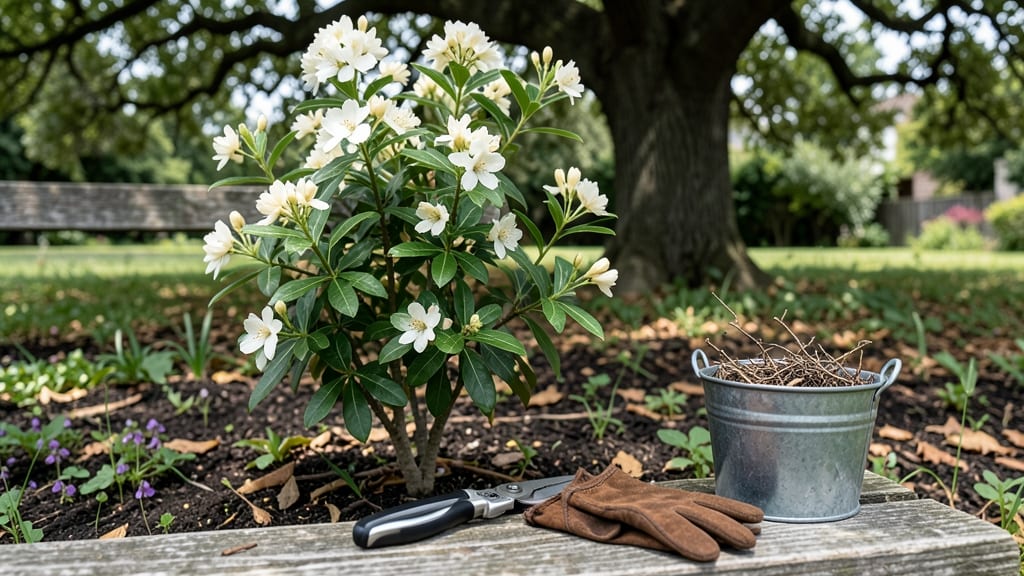
Late-winter pruning turns your mock orange into a fragrant, bushier powerhouse—this is how. ✂️ I’ve watched these shrubs go from leggy and sparse to bursting with jasmine-scented blooms by following just three key cuts. The secret? Timing, technique, and knowing where to stop.
Most gardeners prune too late or too aggressively, which stresses the plant. But mock orange thrives when you shape it in late winter—before buds swell—using clean cuts at 45-degree angles just above outward-facing buds. This encourages dense growth and prevents those awkward gaps where flowers refuse to bloom.
By spring, you’ll see thicker branches, more blooms, and a shape that fills out beautifully. The fragrance alone makes it worth the effort—imagine walking past and being hit with that sweet, citrusy scent every summer. Works for all Philadelphus varieties, from dwarf ‘Miniature’ to tall ‘Aureus’.
Here’s exactly how to do it without overcomplicating things.
📚 In This Guide
- What you need
- Instructions
- Tips and common mistakes
- Wrapping up and next steps
What you need
- ● Bypass pruners: Sharp, high-quality pruners (e.g., Felco or Fiskars) for clean cuts on smaller branches (1/4"–1" diameter). Quantity: 1 pair.
- ● Loppers: For thicker branches (1"–2" diameter). Look for ergonomic handles and a bypass blade to avoid crushing. Quantity: 1 pair.
- ● Pruning saw: For stubborn, woody stems (2"+ diameter). A curved blade works best. Quantity: 1.
- ● Disinfectant: 70% isopropyl alcohol or a pruning sealant (e.g., Tanglefoot Pruning Seal) to prevent disease spread. Quantity: Small bottle or spray.
- ● Gloves: Heavy-duty, cut-resistant gloves (e.g., Mechanix or garden gloves with reinforced palms). Quantity: 1 pair.
- ● Safety glasses: To protect eyes from debris. Quantity: 1 pair.
- ○ Marking twine or flags: For tagging branches to remove (optional but helpful for complex pruning). Quantity: Small roll or 5–10 flags.
- ● Hose or spray bottle: For rinsing tools between cuts (keeps them clean and disease-free).
- ● Pruning shears: For fine-tuning small stems (e.g., Concord Select pruners).
- ● Wheelbarrow or bucket: To collect pruned branches for composting or disposal.
- ● Pruning guide or ruler: A pruning gauge (e.g., Fiskars) to measure branch thickness and ensure proper cuts.
- ● Knee pads or stool: For comfort if your mock orange is tall or dense.
Step-by-Step instructions for pruning mock orange shrubs
Here's the precise method I use to revitalize mock orange shrubs—timed for late winter when they're dormant but ready to burst into fragrant spring growth.
✂️ Step 1: Remove Dead, Diseased, or Crossing Branches
Start with your pruning shears and scan the entire shrub for branches that are dead, diseased, or rubbing against others. These are your first targets—they compete with healthy growth and invite pests. Cut these back to the main stem or the nearest outward-facing bud, making a clean 45-degree angle just above it. This angle prevents water from pooling on the cut.
Real talk: I always check for mushroom-like growths or blackened stems first—those are dead giveaways (literally) that a branch is beyond saving. If you're unsure whether a branch is dead, scratch the bark with your fingernail. Green underneath? It's still alive. Brown and dry? Prune it out immediately.
✂️ Step 2: Thin Out Overcrowded Areas
Mock orange shrubs thrive when they have good airflow, which is why I focus on thinning in this step. Look for areas where branches are growing too close together, creating a dense center. Select the weakest or smallest branch in each cluster and cut it back to the main stem. This opens up the shrub and lets sunlight reach the inner branches, encouraging fuller growth.
Here's the thing—you want to maintain the shrub's natural shape, so avoid cutting too many branches in one spot. Aim to remove no more than 25% of the total branches during this step. If you're aggressive, you'll shock the plant and delay spring blooming. Think of it like giving your shrub a spa day: just enough to refresh, not a complete makeover.
✂️ Step 3: Shape the Shrub for Balance and Form
Now it's time to refine the shrub's shape. Step back and look at the overall form—mock orange shrubs naturally grow in a rounded, vase-like shape. Use your pruning shears to trim back any branches that are growing too long or out of proportion. Cut just above an outward-facing bud to encourage growth in the direction you want. This step is where you'll see the most dramatic transformation.
I like to focus on the top third of the shrub first, then work my way down. This ensures the lower branches aren't overshadowed and still get enough light. If you're unsure where to cut, imagine a glass bowl over the shrub—any branches poking above the rim should be trimmed back to maintain that classic rounded shape.
✂️ Step 4: Lightly Prune for Flowering and Fragrance
Mock orange shrubs produce their fragrant blooms on old wood, which means you don't need to do heavy pruning to encourage flowers. However, you can give the shrub a light trim to promote bushier growth. Focus on the outer third of the shrub and cut back any branches that are growing inward or spoiling the shape. Avoid cutting into the older, woody stems—these are the ones that produce the most flowers.
This is the moment that matters: after pruning, your shrub should look open, airy, and balanced. If you're satisfied with the shape but still want to encourage more blooms, you can give the shrub a light haircut—just a few inches off the tips of the longest branches. This stimulates new growth and ensures a fuller, more fragrant display next spring.
Tips & tricks for perfect pruning of mock orange shrubs
These late-winter secrets will transform your mock orange into a fragrant, bushier powerhouse—without the common pitfalls that leave shrubs stressed or over-pruned.
Tool Prep: Before you begin, sharpen your pruning shears and disinfect the blades with rubbing alcohol. Dull tools crush stems instead of making clean cuts, which can tear the bark and invite disease. I also like to wear gloves—mock orange branches have tiny thorns that pack a surprising punch. The 45-degree angle mentioned in Step 1 becomes much easier when your tools are sharp and ready.
Visual Cue for Step 1: When identifying dead branches in Step 1, look for three key signs: branches without leaves (even in winter), blackened stems, or branches that snap easily when bent. The scratch test works, but I've found that branches with a hollow sound when tapped are almost always dead. This visual and auditory check saves time compared to testing every branch individually.
Thinning Strategy: In Step 2, when thinning overcrowded areas, focus on removing branches that grow inward toward the center of the shrub. These branches compete for sunlight and air circulation, which can lead to fungal issues. I aim to create a "sunburst" effect by removing branches that block light from reaching the inner growth. This approach ensures the shrub maintains its natural vase shape while promoting healthier growth throughout.
Post-Pruning Care: After completing all four steps, give your mock orange a light watering to reduce stress. The shrub will be focusing its energy on healing the pruning cuts rather than searching for moisture. I also recommend applying a balanced, slow-release fertilizer in early spring to support the new growth encouraged by your careful pruning. This step is often overlooked but makes a noticeable difference in how quickly the shrub recovers.
Pro Tips for Pruning A Mock Orange
- These late-winter secrets will transform your mock orange into a fragrant, bushier powerhouse—without the common pitfalls that leave shrubs stressed or over-pruned.
- Tool Prep: Before you begin, sharpen your pruning shears and disinfect the blades with rubbing alcohol.
- Visual Cue for Step 1: When identifying dead branches in Step 1, look for three key signs: branches without leaves (even in winter), blackened stems, or branches that snap easily when bent.
Frequently asked questions
Got questions about pruning your mock orange shrubs? You’re not alone! Here are some of the most common concerns—and their answers—to help you keep your fragrant beauty thriving.
When is the best time to prune mock orange shrubs?
The ideal window is late winter (just before new growth starts) or early spring. This timing encourages vigorous blooms and prevents disease. Avoid pruning in fall—it can stimulate tender growth that won’t survive winter. Pro tip: If you missed late winter, prune right after flowering, but expect fewer blooms that season.
How much can I cut back my mock orange shrub?
Mock orange shrubs tolerate hard pruning—up to one-third of their height or width if needed. For rejuvenation, cut back old stems to 6–12 inches from the ground. Just avoid over-pruning, as these shrubs can take a few years to recover their full form. Pro tip: Thin out crowded branches first to improve airflow.
What if my mock orange isn’t blooming after pruning?
Lack of blooms often means pruning too late (after buds form) or cutting back flowering wood. Mock orange blooms on old wood, so avoid heavy pruning in late spring/summer. If you pruned at the wrong time, give it a year—new growth should produce flowers next season. Pro tip: Fertilize lightly in early spring to encourage blooms.
Can I prune mock orange in fall instead of winter?
Fall pruning is risky because it can stimulate tender growth that dies in frost. If you must prune in fall, do it lightly (just shaping) and avoid heavy cuts. Late-winter pruning is always the safest bet for mock orange. Pro tip: Mark your calendar—late February to early March is prime time!
How do I encourage bushier growth after pruning?
To promote density, prune selectively: Remove only dead, crossing, or overcrowded branches. Cut just above a leaf bud or outward-facing branch to redirect growth. Mulch around the base and water deeply after pruning. Pro tip: A light layer of compost boosts root health and bushiness!
Wrapping up and next steps
Pruning your mock orange shrub in late winter isn’t just about tidying up—it’s your secret weapon for bushier growth, brighter blooms, and that intoxicating fragrance all season long. 🌿 With the right tools, timing, and technique, you’ll transform your shrub into a fragrant powerhouse while keeping it healthy and vibrant.
Now that you’re armed with expert tips, grab those shears and get pruning!
Ready to see the difference? Mark your calendar for next year’s late-winter pruning session—your mock orange will thank you with lush, fragrant foliage that turns heads (and noses!) in your garden. Happy pruning! ✂️💐