
Pruning
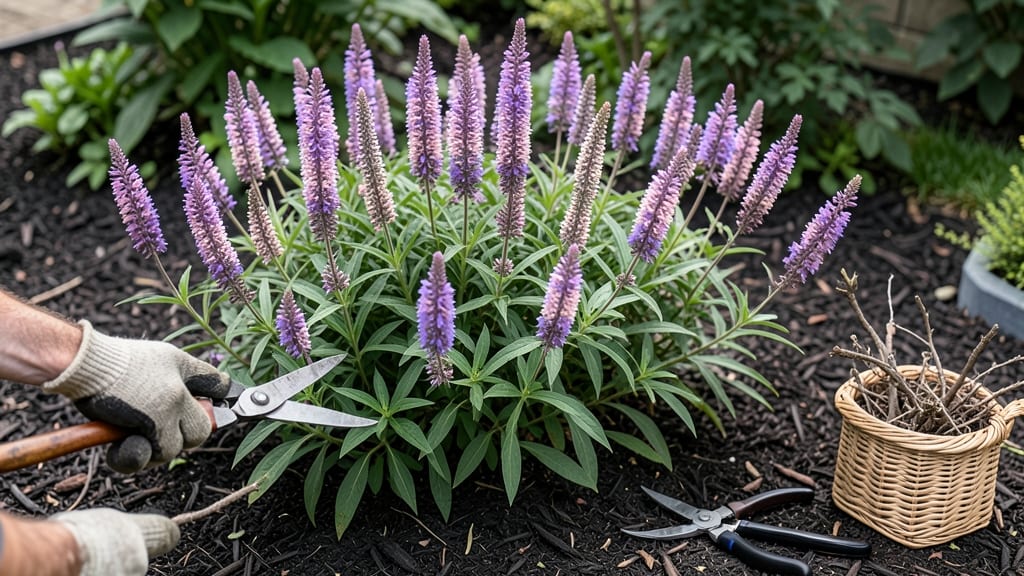
Pruning a buddleia bush in late winter transforms it from a tangled mess into a nonstop summer bloom machine—and I’ve turned my overgrown butterfly magnet into a showstopper using just three sharp cuts. 🌿 The key?
Timing it right when the plant’s dormant, before new growth starts, so every cut encourages fresh, flower-laden branches to burst forth by June. You’ll need clean pruners, a glove (buddleia thorns are no joke), and a bucket for clippings—optional, but trust me, you’ll thank yourself later.
The goal is to cut back one-third to half of the previous year’s growth, always cutting just above a bud or joint where new growth will emerge. Skip the shears if you’re unsure; a sharp saw handles thicker stems like a pro.
What you end up with is a bush that blooms from top to bottom for weeks, covered in fragrant purple spikes that attract butterflies like a magnet. The branches stay sturdy, the flowers stay abundant, and you avoid the sad, leggy look that ruins so many pruned shrubs.
Even my first attempt—after killing a few branches with overzealous cuts—ended up looking better than my neighbor’s unpruned bush. This method works for any buddleia variety, from the fast-growing Buddleia davidii to dwarf types.
Just adjust the pruning intensity based on your climate: warmer zones can prune slightly later, while colder areas should prune earlier to avoid frost damage. Now grab those shears—your butterfly garden’s about to get an upgrade.
📚 In This Guide
- What you need
- Instructions
- Tips and common mistakes
- Wrapping up and next steps
What you need
- ● Pruning shears – Bypass-style (sharp, 6-8" blades) for clean cuts. Dull blades crush stems—avoid this!
- ● Loppers – For thicker branches (½"–1.5" diameter). Look for ratcheting or bypass models for leverage.
- ● Pruning saw – Only if branches exceed 2". A bow saw or folding pruning saw works best.
- ● Gloves – Heavy-duty, long-cuffed (Buddleia thorns are no joke! Opt for leather or reinforced fabric.
- ● Disinfectant (70% isopropyl alcohol or bleach solution) – 1 part bleach to 9 parts water. Clean tools between cuts to prevent disease.
- ● Trash bags or bucket – For removing pruned debris. A 5-gallon bucket with a lid keeps mess contained.
- ● Rake or broom – To clear fallen leaves/debris after pruning.
- ● Hand pruners with a bypass blade – For smaller, detailed cuts on new growth.
- ● Knee pad or stool – If your Buddleia is tall or dense (your knees will love you!).
- ● Pruning sealant – Only for large cuts (>2") to prevent disease (e.g., Tanglefoot Tree Wound Pruning Seal).
- ● Label or marker – To tag sections if you’re pruning for propagation.
Step-by-Step instructions for pruning a Buddleia bush
Here's how I transform my Buddleia from a tangled mess into a blooming powerhouse—simple cuts yield dramatic results.
✂️ Step 1: Time Your Pruning for Maximum Growth
Prune your Buddleia in late winter or early spring, just before new growth begins. This is critical because cutting back too early risks frost damage, while waiting too long sacrifices the current season's blooms. Look for bare branches with no buds—this is your signal it's dormant and ready. I always prune mine in March when the soil is still frozen but the days are warming.
If you missed the dormant season window, you can do a light shaping cut in late summer after flowering, but expect fewer blooms next year. Never prune in fall—new growth won't harden off before winter, and tender shoots will die back.
✂️ Step 2: Cut Back to the Strongest Framework
Use clean, sharp loppers to make your first cuts. Remove any dead, diseased, or crossing branches first—they compete with healthy growth and harbor pests. Cut back to the main stem or a strong lateral branch, making your cut just above an outward-facing bud at a 45-degree angle. This encourages outward growth rather than inward tangles.
For the main structure, cut back each stem to about one-third of its height from the previous year. You'll see thick, woody stems with multiple buds along the sides—these are your new blooming points. Buddleia blooms on new wood, so aggressive pruning now means more flowers later. If a branch is completely bare with no buds, remove it entirely to redirect energy.
✂️ Step 3: Thin Out for Better Airflow
Step back and look at your bush from all angles. The goal is an open, vase-like shape that lets sunlight and air circulate through the center. Remove any branches growing inward or rubbing against others—these create dark, damp pockets where fungal diseases thrive. I always aim for a 50% reduction in density, which might sound drastic, but it pays off with healthier growth and more abundant flowers.
Pay special attention to the center of the bush. Buddleia tends to grow thickest there, blocking light from reaching inner branches. Cut back the most vigorous stems in the middle first, then work outward. You'll notice new shoots emerging from the sides within weeks—that's your reward for creating space.
✂️ Step 4: Shape for Year-Round Interest
Now it's time to refine the silhouette. Buddleia's arching branches naturally create a graceful, layered look, but you can enhance this with a few strategic cuts. Use your hand as a guide—imagine holding a vase and shape the bush to mimic its natural form. Cut back any overly long branches that spoil the balance, but leave at least 12-18 inches of stem to support next year's blooms.
For a more formal look, you can prune to create a rounded shape, but I prefer the bush's natural, slightly wild habit. The key is to maintain an open center while keeping the outer edges full. Step back frequently to check your progress—what looks perfect from close up might need adjustment from a few feet away.
🌿 Step 5: Clean Up and Prepare for New Growth
After pruning, gather all the clippings and dispose of them properly. Buddleia branches are woody and take years to decompose, so don't add them to your compost pile—burn them or put them in the green waste bin. Rake up any fallen leaves or debris from around the base, as these can harbor pests and diseases over winter.
Give the base of the bush a fresh layer of 2-3 inches of mulch to protect new shoots from late frosts. Water deeply but not soggy—you want the soil moist but not waterlogged as the plant wakes up. Within 2-3 weeks, you'll see fresh green shoots pushing through the old wood. This is your confirmation that the pruning worked.
Tips & tricks for pruning a Buddleia bush
Transforming your Buddleia into a blooming powerhouse starts with these essential tricks—each one makes all the difference between a tangled mess and a vibrant showstopper.
Timing is Everything: The dormant season window in late winter or early spring is non-negotiable for maximum blooms. I check for bare branches with no buds—this is your visual cue the plant is ready. If you missed the window, a light shaping cut in late summer after flowering is better than nothing, but it won't produce as many blooms next year. The key is to prune just as new growth begins to emerge, typically in March when soil is still frozen but warming days signal spring.
The 45-Degree Angle Secret: When cutting back to the main stem in Step 2, that 45-degree angle above an outward-facing bud isn't arbitrary—it directs growth outward rather than inward. Use your pruners to make clean cuts that leave a small lip of bark. This technique prevents water from pooling on the cut, which can lead to rot. I always test my angle first on a small branch to get the feel before tackling the main structure.
Visualizing the Vase Shape: The goal in Step 3 is an open, vase-like silhouette that lets light and air circulate. Step back frequently—what looks perfect from close up often needs adjustment from a few feet away. I imagine holding an inverted vase and shape the bush to mimic its form. This creates the perfect balance between an open center and full outer edges. The 50% density reduction might seem drastic, but it's what transforms a dense thicket into a graceful, flowering structure.
Mulch Matters: After pruning, that 2-3 inches of mulch isn't just decoration—it's protection for tender new shoots. I use shredded bark mulch because it breaks down slowly and improves soil structure over time. Water deeply but avoid soggy soil, which can suffocate roots. Within 2-3 weeks, you'll see fresh green shoots pushing through—this is your confirmation that the pruning worked and new growth is thriving.
Pro Tips for Pruning A Buddleia Bush
- Transforming your Buddleia into a blooming powerhouse starts with these essential tricks—each one makes all the difference between a tangled mess and a vibrant showstopper.
- Timing is Everything: The dormant season window in late winter or early spring is non-negotiable for maximum blooms.
- The 45-Degree Angle Secret: When cutting back to the main stem in Step 2, that 45-degree angle above an outward-facing bud isn't arbitrary—it directs growth outward rather than inward.
Frequently asked questions
Got questions about pruning your Buddleia (aka "butterfly bush")? You’re not alone—this task can seem tricky, especially for beginners! Below, we’ve tackled the most common queries to help you prune like a pro and keep those vibrant blooms coming year after year.
When is the best time to prune a buddleia bush?
Always prune in late winter or early spring (before new growth starts) or right after flowering (late summer). Never prune in fall—this can stimulate tender growth that won’t survive winter. For cold climates, wait until after the last frost for safety.
What if I prune at the wrong time? Will my buddleia die?
Pruning at the wrong time won’t kill your bush, but it can reduce blooms or leave it vulnerable to frost damage. If you prune in fall, new growth may not harden off before winter. If you’ve already pruned too early, don’t worry—just focus on proper care (water, mulch) and prune correctly next season.
How much can I cut back? Should I prune to the ground?
Yes! Buddleia thrives on hard pruning. Cut back 2/3 of the previous year’s growth to just above a pair of buds or a strong stem. This encourages dense, bushy growth and nonstop blooms. Avoid leaving "stubs"—always cut cleanly just above a node.
Will pruning hurt butterfly populations?
Not at all! Buddleia is a superstar for pollinators, and pruning in late winter/early spring ensures you’re not removing flowers they rely on. Plus, healthy pruning = more blooms = more food for butterflies and bees later in the season. Just avoid pruning during peak bloom time (summer).
What if my buddleia isn’t blooming after pruning?
Check these fixes:
- Light: Ensure it gets full sun (6+ hours/day)—buddleia loves bright light.
- Soil: Amend poor soil with compost or a balanced fertilizer in spring.
- Water: Keep soil moist (but not soggy) during the first growing season.
- Age: Young plants (under 2 years) may need a year to establish before blooming heavily.
Can I shape buddleia into a hedge or topiary?
Buddleia is not ideal for formal hedges or topiary—it’s a wild, airy shrub by nature! However, you can lightly trim to control height/width by pinching back tips in spring. For a neater look, opt for Buddleia alternifolia (a dwarf variety) or pair it with other shrubs for contrast.
Pro Tip:
Label your pruned stems with a flag or ribbon if you’re unsure which branches to keep. This helps you visualize the bush’s shape before making final cuts!
Wrapping up and next steps
Pruning your buddleia bush during dormancy is your secret weapon for a showstopping summer display—packed with vibrant blooms and lush foliage! 🌸 By following this dormant-season blueprint, you’ve armed yourself with the knowledge to shape, revitalize, and encourage healthy growth.
The key? Timing, technique, and a little patience—your buddleia will reward you with nonstop color year after year.
Now that you’re ready to roll up your sleeves, grab those pruners and transform your garden! Need extra inspiration? Explore seasonal care tips or dive into buddleia varieties to find the perfect match for your space. Happy pruning—your summer blooms are waiting! ✂️🌿