
Pruning
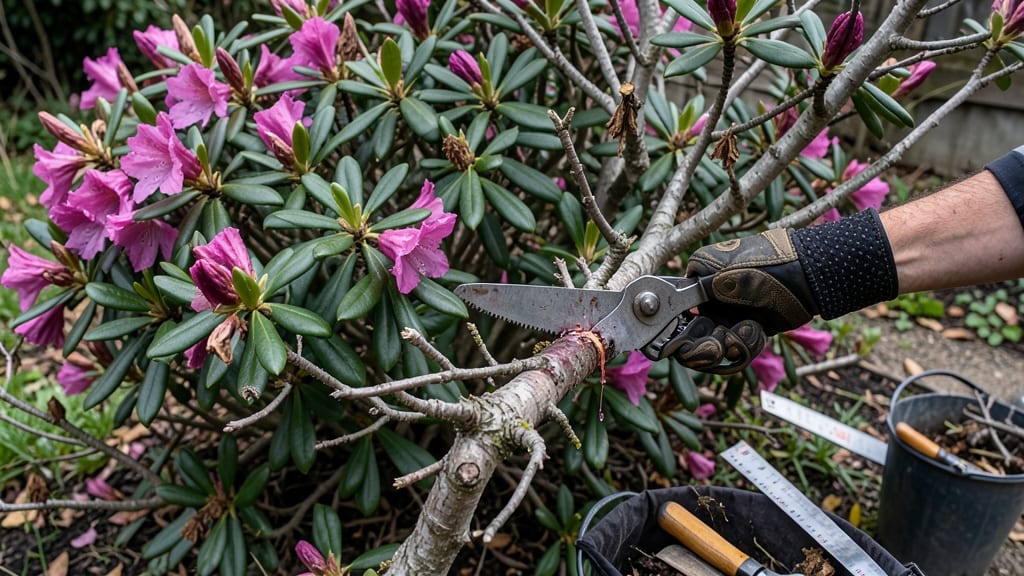
Hard pruning rhododendrons in late winter unlocks their full potential—transforming leggy, overgrown shrubs into dense, blooming powerhouses by spring. 🌿 I’ve watched my own rhododendrons go from scraggly to showstopping after just one dormant-season cut, and the secret lies in timing, technique, and a little patience.
Most gardeners avoid hard pruning because it sounds drastic, but when done right, it rejuvenates older plants and encourages lush new growth.
The best time is right after blooming or in late winter before buds swell, when the plant’s energy is still dormant but ready to rebound. You’ll need sharp bypass pruners, gloves, and a clear vision—this isn’t about random chopping.
Start by removing up to one-third of the oldest, thickest stems at the base, then thin out crowded branches to improve airflow. The goal isn’t perfection; it’s breathing room for new shoots.
What you’ll end up with is a rhododendron that blooms more abundantly, resists disease better, and stays compact enough to fit your landscape design.
The first year after pruning, you might see fewer flowers, but by year two, the payoff is vibrant green foliage and clusters of blooms that outshine the original. Think of it as a reset button for your shrubs.
Works for both mature rhododendrons that need a refresh and younger plants that are getting too leggy. Just avoid pruning in fall—new growth won’t harden off before winter, and you’ll risk frost damage. Let’s get those shears ready and bring back your rhododendrons’ glory days.
📚 In This Guide
- What you need
- Instructions
- Tips and common mistakes
- Wrapping up and next steps
What you need
- ● Pruning shears: Bypass pruners (for smaller branches, 6–8 inches long) – 1 pair.
- ● Loppers: Bypass or anvil type (for thicker branches, 18–24 inches long) – 1 pair.
- ● Pruning saw: Curved-tooth saw (for branches thicker than 2 inches) – 1.
- ● Garden gloves: Heavy-duty, cut-resistant (e.g., nitrile-coated) – 1 pair.
- ● Disinfectant: 70% isopropyl alcohol or 10% bleach solution (to sterilize tools between cuts) – small bottle.
- ○ Rake or broom: For clearing debris (optional but helpful).
- ● Hand pruners: For delicate trimming of small shoots.
- ● Ladder or step stool: If bushes exceed 6 feet in height.
- ● Plant tie or twine: To support heavy branches post-pruning.
- ● Compost bin or bag: For collecting pruned branches (great for mulch!).
- ● Safety glasses: If sawing large branches.
Instructions for hard pruning rhododendrons
Here's how I restore these shrubs to full vigor—timing, technique, and all.
✂️ Step 1: Time Your Pruning Perfectly
Prune rhododendrons only during late winter or early spring, just as new growth begins but before buds swell. I aim for February to March in most climates—this ensures you cut back before the plant's active season starts. If you live in a warm zone where buds swell earlier, wait until late January. Avoid pruning in fall or summer; you'll remove next year's flowers or stress the plant.
Look for dormant stems—they'll be bare and leafless, with no visible buds. If you see even a hint of green or swollen buds, wait a few weeks. Pruning too early risks exposing tender growth to cold snaps, while pruning too late removes potential blooms. I always check the local frost dates to stay ahead of new growth.
✂️ Step 2: Gather the Right Tools and Safety Gear
Use sharp, clean pruning shears (bypass pruners work best) and loppers for thicker branches. I disinfect my tools with 70% rubbing alcohol before and after pruning to prevent spreading disease. Wear gloves—rhododendrons have tiny hairs that can irritate skin. For larger shrubs, I also grab a small pruning saw for branches thicker than ½ inch.
Never use dull tools—you'll crush stems instead of making clean cuts, which invites rot. Test your shears by cutting a piece of paper; if it tears instead of slices cleanly, sharpen them first. I also keep a bucket of water nearby to rinse tools between cuts and a small trash bag for debris. Safety first: clear the area of pets and kids before starting.
✂️ Step 3: Assess the Shrub's Structure
Step back and examine the rhododendron's shape. Look for dead, crossing, or weak branches—these are your first targets. Dead wood is easy to spot: it's dry, brittle, and often a different color than healthy stems. Crossing branches rub against each other, creating wounds that invite disease. I remove any branch growing inward to open the center for better airflow and sunlight penetration.
Pay attention to the shrub's natural growth pattern. Rhododendrons grow in a rounded shape, so aim to maintain that form. If the center looks hollow, you'll need to cut back selectively to encourage new growth from the base. I sketch a rough outline in my mind—this helps me visualize the final shape before making any cuts.
✂️ Step 4: Make Clean, Strategic Cuts
Start with dead or diseased branches—cut them back to the main stem or ground level. For healthy branches, I remove no more than one-third of the total foliage in a single pruning session. Make cuts just above a bud or leaf node, at a 45-degree angle. This angle helps water run off instead of pooling at the cut, which prevents rot.
For thicker branches, cut in three stages: first make an undercut, then a top cut, and finally twist the branch off. This prevents tearing the bark. Avoid leaving stubs—always cut back to the node. If you're unsure where to cut, look for the small bump where a leaf or bud was attached; this is your target spot. I always step back after each cut to check the balance of the shrub.
✂️ Step 5: Clean Up and Monitor Recovery
After pruning, remove all debris from the base of the plant to prevent pests and diseases from taking hold. I rake up fallen leaves and branches, then dispose of them in a sealed bag. Water the rhododendron deeply to help it recover from the stress of pruning. A slow, deep watering encourages strong root growth—aim for 1-2 inches of water per week, depending on your climate.
Watch for new growth in 4-6 weeks. Healthy rhododendrons will sprout fresh leaves from the base and along the stems. If you see yellowing leaves or wilting, it could mean over-pruning or stress. In that case, reduce watering slightly and avoid fertilizing until the plant shows signs of recovery. I keep an eye out for aphids or spider mites, which love stressed plants, and treat them immediately with neem oil if they appear.
Tips & tricks for perfect rhododendron pruning
These practical insights will help you prune like a pro and keep your shrubs thriving for years.
Timing is Everything: The February to March window isn't just arbitrary—it's when rhododendrons are in their deepest dormancy but about to wake up. I've learned this the hard way: pruning too early (like in January) can expose tender new growth to late frosts, while pruning too late (April onward) risks cutting off next year's flower buds. For warm climates, that late January adjustment is crucial—don't let the calendar fool you into thinking "early spring" means February when buds are already swelling.
Tool Prep Makes All the Difference: I can't stress enough how important sharp tools are. That paper test isn't just about clean cuts—dull shears actually crush plant tissue, which can introduce diseases. I always clean my tools with 70% rubbing alcohol between plants, even if they're all rhododendrons. And here's a trick I picked up: soak your pruning shears in a 10% bleach solution (1 part bleach to 9 parts water) for 10 minutes between different gardens to kill any lingering pathogens. The extra 30 seconds of prep saves hours of plant stress later.
Visual Cues for Perfect Cuts: When making those 45-degree cuts in Step 4, look for the tiny "eye" or bump where leaves used to attach—this is your cutting zone. I've found that holding the branch at a 45-degree angle while looking for that bump helps me make precise cuts every time. For thicker branches, the three-stage cutting method prevents bark tearing, but I've also discovered that wrapping the branch with a small piece of masking tape at the cut line first creates a cleaner break when you finally twist it off.
Recovery Monitoring: Those 4-6 weeks of watching for new growth are your best quality control. If you see yellowing leaves after pruning, it's often a sign you removed too much foliage in one session. I've learned to play it safe by never exceeding that one-third rule—even if the shrub looks "messy" after pruning, it's better to err on the side of caution. And that deep watering isn't just about hydration—it's about helping the roots establish quickly after the shock of pruning. Think of it as giving your rhododendron a good drink of water to help it "heal" from the surgery.
Pro Tips for Hard Pruning Rhododendrons
- These practical insights will help you prune like a pro and keep your shrubs thriving for years.
- Timing is Everything: The February to March window isn't just arbitrary—it's when rhododendrons are in their deepest dormancy but about to wake up.
- Tool Prep Makes All the Difference: I can't stress enough how important sharp tools are.
Frequently asked questions
Got questions about hard pruning rhododendrons? You’re not alone! Here are some of the most common queries—and their answers—to help you prune with confidence.
When is the best time to hard-prune rhododendrons?
Always prune in late winter or early spring, before new growth begins (typically February–March in most climates). This timing minimizes stress and allows the plant to recover faster. Avoid pruning after buds swell or during extreme cold snaps.
How much can I cut back without harming the plant?
You can safely remove up to ⅓ of the plant’s height in one season, but for dramatic reshaping, spread cuts over 2–3 years. Never cut into old, woody stems—focus on green growth from the current season. Over-pruning risks weakening the plant.
What if I prune at the wrong time?
Pruning too early (mid-winter) or too late (spring blooming) can stress the plant or remove next year’s flowers. If you accidentally prune after buds form, don’t panic—rhododendrons are resilient. Just avoid heavy cuts until dormancy returns.
Can I hard-prune a rhododendron that hasn’t bloomed yet?
Yes! Young or non-flowering rhododendrons benefit from hard pruning to encourage bushier growth. Cut back leggy stems to just above a leaf bud or lateral branch. This stimulates denser foliage and stronger structure.
Are there alternatives to hard pruning?
If you’re hesitant about drastic cuts, try light pruning (removing only dead or crossing branches) or pinching new growth in early summer. For overgrown plants, gradual thinning over years is gentler than one heavy prune.
What if my rhododendron looks sad after pruning?
Don’t worry! A healthy rhododendron may look bare post-prune but will bounce back with fresh growth. Water deeply after pruning, mulch the base, and avoid fertilizing until new shoots appear (usually 4–6 weeks). Yellowing leaves? Check for overwatering or pests.
Wrapping up and next steps
Hard pruning your rhododendrons during dormancy isn’t just about shaping—it’s about invigorating your plants for seasons to come! 🌿 By following this blueprint, you’ll encourage lush blooms, healthier growth, and a stunning landscape that thrives year-round.
Now that you’re armed with the how-to, grab those shears and get pruning with confidence!
Ready to see the transformation? Mark your calendar for next year’s dormant season and give your rhododendrons the care they deserve. Your future self—and your garden—will thank you! 🌸