
Pruning
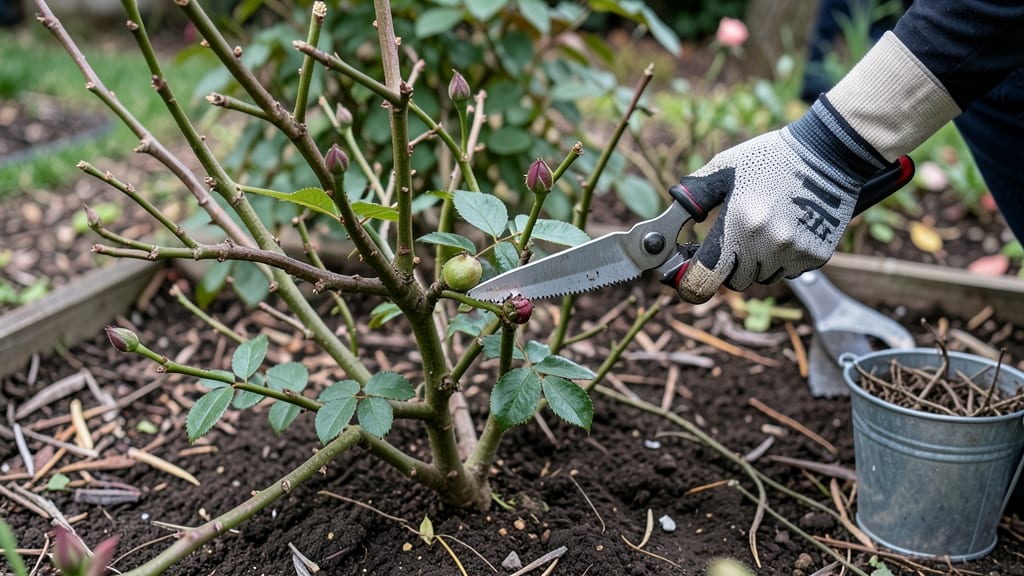
Pruning rose bushes in February isn’t just about tidying up—it’s the secret to next year’s showstopping blooms and fragrance. 🌹 When you cut back dormant canes now, you’re not just shaping the plant; you’re telling it where to focus its energy for the coming season.
The best part? You do it once, and your roses reward you with stronger stems, more flowers, and fewer pests all summer long.
Here’s the thing—February works because the plant is already dormant, so cuts won’t shock it like they might in spring. In warmer climates (zones 7-10), this is prime time, but if you’re in zone 6 or colder, wait until late February or early March when the ground thaws.
Grab your pruners, sanitize them with rubbing alcohol, and get ready to transform those leggy canes into a neat, productive bush.
What you’ll end up with is a rose bush that looks like it belongs in a botanical garden, not your backyard. New growth emerges faster, blooms arrive earlier, and the scent? Unbelievably stronger because the plant isn’t wasting energy on weak, overcrowded stems.
Plus, you’ll spend less time wrestling with tangled canes later in the season.
This method works for hybrid teas, floribundas, and even shrub roses—just adjust the cuts based on the variety. And don’t worry if you’ve never pruned before; the key is confidence, not perfection. Let’s get those blooms growing!
📚 In This Guide
- What you need
- Instructions
- Tips and common mistakes
- Wrapping up and next steps
What you need
- ○ Pruning shears: Bypass pruners (for clean cuts) – 1 pair (sharp, 10-12 inch blades). Optional: Loppers (for thicker branches, 16-24 inch reach).
- ● Disinfectant: Rubbing alcohol (70%+) or bleach solution (1 part bleach : 9 parts water) – small bottle (to sterilize tools between cuts).
- ● Garden gloves: Heavy-duty, cut-resistant – 1 pair (protects hands from thorns and debris).
- ● Pruning saw: Curved-tooth – 1 (for branches thicker than ½ inch).
- ● Labeling tags: Plastic or wooden – 5-10 (if propagating cuttings).
- ● Rake or broom: – 1 (to clear debris post-pruning).
- ● Pruning sealant: (e.g., Tree wound dressing) – small tube (for sealing large cuts, though controversial—skip if unsure!).
- ● Hose or bucket: – 1 (to rinse tools and remove sap).
- ● Notebook & pen: – 1 (to sketch your rose’s structure before/after pruning).
- ● Knee pads: – 1 pair (for comfort if pruning older bushes).
- ● ✅ Dormant roses: Prune after the first hard frost (roses should be fully dormant but not in freezing temps).
- ● ✅ Weather: Choose a dry, overcast day (avoid pruning if rain is forecasted).
- ● ✅ Tool prep: Sharpen blades and disinfect tools to prevent disease spread.
- ● ✅ Safety gear: Wear long sleeves/pants to avoid thorns!
Step-by-Step instructions for pruning rose bushes in February
Here's the method I rely on to wake up roses with confidence—clean cuts that set up a spectacular blooming season.
✂️ Step 1: Gather Tools and Prepare the Work Area
First, sharpen your pruning shears with a file or hone them on a sharpening stone—dull blades tear stems and invite disease. I like to use bypass pruners for clean cuts and a hand saw for thicker branches. Lay down a tarp or old sheet to collect debris and keep your workspace tidy.
Wear gloves to protect against thorns and rose oil (which can irritate skin). I also keep a small bottle of rubbing alcohol handy to disinfect my tools between cuts—this prevents spreading any fungal spores lurking on the blades.
✂️ Step 2: Identify and Remove Dead or Diseased Wood
Start by scanning the bush for branches that are completely blackened, mushy, or hollow—these are dead or diseased and must go. Cut these back to the nearest outward-facing bud or healthy growth. You'll see these dead stems first—they look like charred sticks or feel hollow when tapped.
For branches with signs of black spot or powdery mildew, remove them entirely and dispose of them in the trash (not your compost). I always prune out any canes that cross or rub against each other—this creates wounds that attract pests later.
✂️ Step 3: Shape the Bush by Cutting Back Last Year’s Growth
Now focus on the healthy canes. For most rose types, cut back to a bud that faces outward—this opens up the center for airflow and sunlight. Make your cuts at a 45-degree angle, about ¼ inch above the bud. This slanted cut helps water run off instead of pooling.
Leave 3-5 strong canes per bush, cutting the oldest ones back more aggressively. You'll see where last year's growth ends—it's the thicker, darker wood. New growth will emerge from the buds you've left behind, so don't be shy about making bold cuts.
✂️ Step 4: Thin Out Crowded Centers for Better Airflow
Look for areas where branches grow too close together—this creates a humid microclimate perfect for fungal diseases. Remove every other branch in crowded spots, cutting back to a healthy bud. You'll notice the center of the bush opens up immediately, letting light and air circulate.
For hybrid teas and floribundas, aim to leave 4-6 buds on each remaining stem. Climbing roses need a different approach—prune to encourage long, flexible canes by cutting back only the oldest wood. Watch for "suckers" (shoots growing from the base) and remove them completely.
🌿 Step 5: Clean Up and Apply Mulch
Rake up all the pruned debris and dispose of it properly—don't leave it under the bush, as it can harbor pests and diseases. I like to crush larger stems with my pruners to make them easier to dispose of. Now's the time to add a 2-3 inch layer of organic mulch around the base, keeping it 6 inches away from the stem.
Water the base thoroughly after pruning to help the plant recover. You'll see new growth beginning in 4-6 weeks, signaling that your pruning worked. Keep an eye out for any signs of stress—yellowing leaves or wilting can mean you've pruned too aggressively.
Tips & tricks for perfect rose pruning in February
These pro techniques will help you prune like a seasoned gardener—without the guesswork.
Tool Prep Matters: Before you even touch the bush, take 5 minutes to sharpen your pruners properly. I use a file to create a razor-sharp edge on my bypass pruners—this makes clean cuts that heal faster and reduces disease risk. A quick test: If you can't make a clean slice through a piece of paper, your blades need more work.
Visual Cues for Healthy Cuts: When shaping the bush in Step 3, look for the "eyes" on the canes—those are the buds where new growth will emerge. Always cut just above an outward-facing bud at a 45-degree angle. The slanted cut helps water run off, preventing rot. Pro tip: If you're unsure which bud is facing outward, imagine drawing a line from the bud to the outside of the bush—that's where your cut should be.
Disease Prevention Strategy: In Step 2, when removing diseased wood, don't just toss it in your compost bin. Fungal spores can survive and reinfect your roses. Instead, bag it and put it in the trash. For extra protection, wipe down your pruners with rubbing alcohol between each cut on diseased branches—this kills lingering spores that could spread to healthy parts of the plant.
Mulch Application Trick: After pruning, spread that 2-3 inch layer of organic mulch carefully. Keep it 6 inches away from the stem to prevent rot, but don't leave bare soil exposed. I like to use shredded bark or wood chips—they break down slowly and improve soil structure over time. Water thoroughly after mulching to help settle everything in place.
Pro Tips for Prune Rose Bush February
- These pro techniques will help you prune like a seasoned gardener—without the guesswork.
- Tool Prep Matters: Before you even touch the bush, take 5 minutes to sharpen your pruners properly.
- Visual Cues for Healthy Cuts: When shaping the bush in Step 3, look for the "eyes" on the canes—those are the buds where new growth will emerge.
Frequently asked questions
Got questions about pruning your rose bushes in February? You’re not alone!
Here are some of the most common concerns—and straightforward answers—to help you tackle dormant-season pruning with confidence.
Why should I prune roses in February instead of waiting until spring?
February is ideal because roses are fully dormant, making it easier to see their natural shape and remove dead or diseased wood. Pruning now also prevents pests from hiding in old growth and gives your roses a head start on vigorous new growth when spring arrives. Pro tip: Avoid pruning too early if winter storms are still forecast!
How do I know if I’m pruning too much or too little?
As a general rule, cut back one-third to one-half of the rose’s height, but never remove more than ⅓ of the total stems. Look for healthy green tissue inside the canes—if you see white pith, you’re cutting at the right spot. Over-pruning can stress the plant, while under-pruning may lead to crowded, weak growth. Pro tip: Take a photo before you start!
Can I prune roses in February if I live in a cold climate?
Yes! In USDA Zones 5-7, February is perfect for pruning hybrid teas, floribundas, and grandifloras. In Zones 3-4, wait until late February or early March to avoid pruning too early in the season. If your ground is still frozen, prune above snow level to protect cuts from moisture and disease. Pro tip: Use sharp bypass pruners to make clean cuts!
What should I do with the pruned branches? Can I compost them?
Dispose of diseased or pest-infested branches in the trash or burn them to prevent spreading issues. Healthy pruned branches can be chopped into smaller pieces and added to your compost pile only if you’re sure no diseases (like black spot) are present. Avoid composting rose canes if they show signs of mildew or fungus. Pro tip: Sterilize your pruners with rubbing alcohol between cuts!
Will pruning in February kill my roses if I make a mistake?
Mistakes are rare but possible—like cutting into old wood (no green pith) or leaving stubs too long. If you accidentally prune too aggressively, your roses may take longer to recover, but they’ll likely bounce back with proper care. Focus on healthy canes and open center shapes to encourage airflow. Pro tip: If in doubt, prune conservatively and adjust next year!
Are there any rose varieties that shouldn’t be pruned in February?
Most roses benefit from February pruning, but climbing roses and shrub roses (like Knock Outs) may need lighter cuts. Rugosa roses and wild species often require minimal pruning—just remove dead wood. Always research your specific variety, as some (like Rosa rugosa) bloom on old wood and need gentler treatment. Pro tip: Label your roses if you’re unsure which is which!
Wrapping up and next steps
Pruning your rose bushes in February isn’t just about tidying up—it’s a powerful way to set the stage for a showstopping bloom season ahead! By cutting back dormant canes, removing dead wood, and shaping your bushes correctly, you’ll encourage healthier growth, more abundant flowers, and that unmistakable fragrance you love.
Think of it as a gift to next year’s roses—a little effort now means big rewards later!
Ready to roll up your sleeves? Grab your pruners, channel your inner green thumb, and give your roses the care they deserve. Next, check out our seasonal rose care guide to keep your blooms thriving all year round! 🌹✨