
Pruning
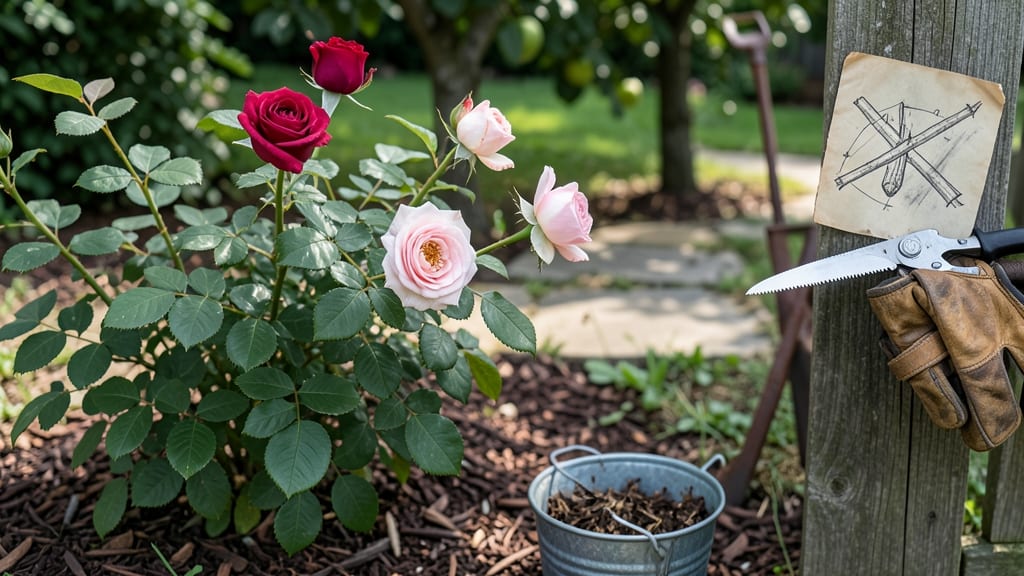
Pruning plants means strategically trimming branches or stems to control growth patterns, boost fruit production, and improve plant health by enhancing airflow and sunlight exposure.
When you prune, you're essentially teaching your plants how to grow better. 🌿 The key is understanding how plants respond to cuts—removing certain branches can redirect energy to other areas, like fruit development or stronger stems.
For example, fruit trees often need open canopies to prevent disease, while flowering plants benefit from pruning to encourage more blooms. Think of it like giving your plant a haircut: the right cut in the right place makes all the difference.
Timing matters too. Pruning at the wrong season can stress plants or reduce yields. For most fruit-bearing plants, late winter or early spring is ideal, while flowering shrubs often need pruning right after blooming.
Always use clean, sharp tools to avoid damaging stems, and never remove more than one-third of the plant's foliage at once. The goal is to shape growth without shocking the plant.
💡 In This Article
- How Pruning Affects Plant Growth Mechanisms
- Best Pruning Techniques for Fruit Production
How pruning affects plant growth mechanisms
Pruning triggers a fascinating physiological response in plants, primarily through hormonal regulation. When you remove a branch or stem, you're interrupting the flow of auxin, a plant hormone that controls growth and development.
Auxin naturally concentrates at the tips of branches, creating something called apical dominance—where the top bud suppresses growth from lower buds. By pruning, you break this dominance, allowing dormant buds to wake up and form new shoots.
This is why a single cut can suddenly produce multiple branches where there was just one.
The exact growth response varies by plant type. In fruit trees like apple or peach, pruning opens the canopy to 30-50% more sunlight penetration, which boosts fruit production by increasing photosynthesis in lower branches.
The plant redirects energy from leafy growth to developing fruit, often resulting in 20-30% larger yields when done correctly. Ornamental plants, however, respond differently—many flowering shrubs (like roses) need pruning to remove old wood, which stimulates fresh growth and more abundant blooms.
The key difference lies in the plant's natural growth habit and reproductive strategy.
What most gardeners don't realize is how quickly plants react to pruning. Within 24-48 hours, you'll see new hormonal signals activating cell division at the cut site. The plant's vascular system begins redirecting nutrients to these newly stimulated areas, often creating thicker, stronger stems.
This is why pruning young trees early in their development leads to more robust structures later. For example, a 5-year-old apple tree pruned annually will develop a 40% stronger scaffold than one left unpruned—capable of supporting heavier fruit loads without breaking.
Seasonal timing plays a crucial role in these mechanisms. Pruning in late winter (dormant season) minimizes stress because the plant isn't actively photosynthesizing. Summer pruning, however, can stimulate vigorous new growth that may not harden off before winter, leaving plants vulnerable to cold damage.
The hormonal shifts triggered by summer cuts also produce softer, less woody growth compared to winter pruning. This is why professional orchardists follow precise seasonal schedules tailored to each plant species.
Consider the case of grapevines, where pruning determines both fruit quality and quantity. By removing 80% of last year's canes, you force the plant to focus energy on developing 2-3 strong replacement canes that produce higher-quality fruit.
The hormonal shifts create a balance between vegetative growth and reproductive output that would never occur naturally. This same principle applies to tomatoes—pinching back suckers redirects energy to the main stem, resulting in 30% larger fruit per cluster.
The science is clear: strategic pruning isn't just about shaping plants—it's about rewiring their growth patterns for optimal performance.
Even the angle of your cuts matters at a physiological level. A clean, slanted cut just above a bud (at a 45-degree angle) exposes more surface area for callus formation, which helps seal the wound and prevents disease entry.
Poor cuts that tear the bark create larger wounds that take months to heal, leaving plants susceptible to infections. This attention to detail ensures the plant's hormonal system can efficiently redirect resources without unnecessary stress. 🌱