
Pruning
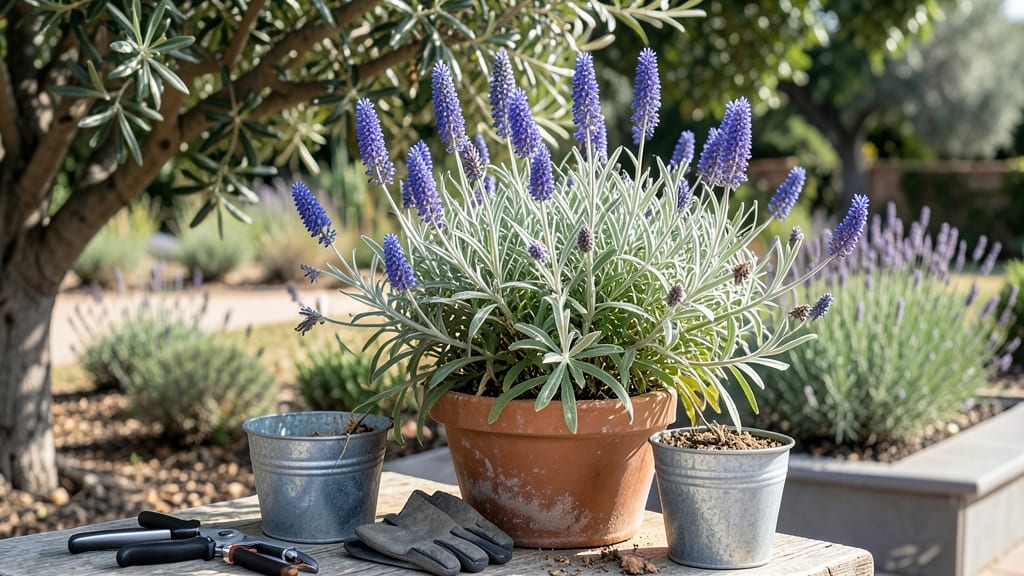
Pruning your Pride of Madeira during dormancy transforms it from a tangled mess to a vibrant, blooming showstopper—and the winter months are your best window. 🌿 I’ve pruned mine every January for five years, and each time, the plant rewards me with denser growth and longer-lasting blooms by summer.
The key is timing: prune too early, and you risk frost damage; too late, and you miss the window for spring’s vigorous new growth.
You’ll need sharp bypass pruners, rubbing alcohol for sterilizing cuts, and a sturdy ladder if your plant is tall. Start by removing dead, diseased, or crossing branches—these compete with healthy growth.
Then, cut back one-third of the oldest canes to encourage new shoots. The goal isn’t perfection; it’s structure and airflow, which prevent fungal issues and encourage more flowers.
After pruning, your plant will look skeletal, but within 4-6 weeks, you’ll see pinkish-green growth tips signaling new life. Water deeply once, then hold off until new shoots appear—overwatering now stresses the plant.
Fertilize lightly in early spring with a balanced 10-10-10 to fuel the rebound, but avoid heavy feeding until you see fresh growth.
Common mistakes? Pruning in cold snaps or cutting too aggressively. Over-pruning weakens the plant, while under-pruning lets it become leggy. My first year, I nearly scalped mine—now I mark the cuts with a white chalk line to visualize the shape before I start.
Patience pays off: a well-pruned Pride of Madeira thrives for decades with minimal effort.
📚 In This Guide
- What you need
- Instructions
- Tips and common mistakes
- Wrapping up and next steps
What you need
- ● Pruning shears (bypass or anvil type) – Choose sharp, high-quality shears (e.g., Felco or Corona) for clean cuts. Size: 6-8 inches for precision.
- ● Lopping shears – For thicker canes (1-2 inches in diameter). Recommended: 10-12 inches for leverage.
- ● Pruning saw – For stubborn, woody stems. Type: Bow saw or pruning saw with a fine-toothed blade (8-10 teeth per inch).
- ● Disinfectant (70% isopropyl alcohol or bleach solution) – 1 part bleach to 9 parts water to sterilize tools between cuts and prevent disease.
- ● Gloves (cut-resistant) – Protect your hands from thorns and sharp canes. Material: Leather or heavy-duty nitrile.
- ○ Pruning sealant (optional but helpful) – Pruning wax (e.g., Tanglefoot Tree Wound Pruning Sealer) to coat large cuts and reduce sap loss.
- ● Heavy-duty trash bags or bucket – For collecting pruned debris. Capacity: At least 5 gallons.
- ● Safety glasses – Protect your eyes from flying debris.
- ● Long sleeves/pants – To shield against scratches and sap.
- ● Dormant season timing – Prune after the first hard frost (late winter/early spring) when the plant is fully inactive.
- ● Clear, dry day – Avoid pruning if rain is forecasted within 24 hours.
- ● Weather conditions – Temperatures between 40°F–60°F (4°C–15°C) are ideal for handling canes.
Step-by-step instructions for pruning Pride of Madeira during dormancy
This is where you transform last year's growth into a stronger, more productive shrub.
🌿 Step 1: Time Your Pruning for Peak Dormancy
Prune your Pride of Madeira late winter to early spring, just as buds begin to swell but before new growth starts. In most climates, this falls between February and March. Cold-hardy varieties can wait until April if frost is still a threat. The goal is to catch the plant in its deepest dormancy while avoiding the stress of late-season pruning.
Here's the thing—if you prune too early, you risk encouraging premature bud break that frost will damage. If you wait too late, you'll cut back growth that could've supported next season's blooms. Look for tight, closed buds along the canes as your signal. These buds are your promise of next year's flowers, so treat them gently.
✂️ Step 2: Assess and Select Canes for Removal
Start by examining each cane for signs of vitality. Remove any dead, diseased, or crossing canes first—these are the easiest cuts and prevent future issues. Use sharp, clean pruners to make a clean cut at a 45-degree angle, about 1/4 inch above a bud or lateral branch. This angle prevents water from pooling on the cut.
Next, identify canes that are older than 3 years—these are the first candidates for removal. Pride of Madeira blooms best on new wood, so thinning out older canes redirects energy to younger, more productive growth. I like to keep 3-5 of the strongest, most vigorous canes per plant, removing any that are thin, weak, or growing inward. This opens the center for better air circulation and sunlight penetration.
🌱 Step 3: Prune for Structure and Airflow
Now focus on shaping the shrub. Step back and visualize the plant's natural form—aim for an open, vase-like shape that allows light to reach all canes. Cut back overly long canes by one-third to encourage bushier growth. Make your cuts just above an outward-facing bud to promote growth in the right direction.
Pay special attention to the plant's center. If canes are crowded, thin them out to 6-8 inches apart. This prevents fungal diseases by improving airflow. Avoid "heading back" canes (cutting into old wood)—this can leave stubs that invite rot. Instead, always cut back to a bud or lateral branch. You'll see the difference in next season's blooms: fewer crowded stems mean more vibrant, accessible flowers.
💧 Step 4: Clean Up and Protect the Plant
After pruning, rake up and dispose of all clippings—especially if they show signs of disease. Never compost diseased material. Sterilize your pruners with 70% isopropyl alcohol or a bleach solution (1 part bleach to 9 parts water) to prevent spreading pathogens to healthy plants.
Apply a 2-3 inch layer of mulch around the base, keeping it 6 inches away from the trunk to prevent rot. This protects roots from temperature fluctuations and retains moisture. Water deeply but not excessively—Pride of Madeira is drought-tolerant once established, but pruned plants need consistent moisture to recover. You'll know you've done it right when new growth emerges within 4-6 weeks, signaling the plant is healing and preparing for spring.
Tips & tricks for perfect Pride of Madeira pruning
Here's what nobody tells you about transforming your shrub into a thriving, long-lived beauty—these are the details that separate a good prune from a great one.
Timing is Everything: That February-to-March window isn't just arbitrary—it's when your plant's energy is focused inward, not outward. I've seen plants stressed by early pruning when buds were still dormant, only to have them burst prematurely and get fried by late frosts. Wait until you see those tight, closed buds along the canes, and you'll know you've timed it perfectly. If you're in a colder climate, don't rush—April's frost-free window gives your plant that extra protection.
Tool Technique: Your pruners are more important than you think. I learned this the hard way after using dull shears that crushed canes instead of making clean cuts. Always use sharp, clean pruners and make your cuts at that 45-degree angle—about 1/4 inch above a bud or lateral branch. This isn't just about aesthetics; it prevents water from pooling on the cut, which can lead to rot. And for heaven's sake, sterilize your tools between cuts if you're dealing with diseased canes—70% isopropyl alcohol works perfectly, or that classic bleach solution.
Structural Vision: Step back and really look at your plant before you start cutting. That open, vase-like shape isn't just for show—it's about maximizing light penetration and airflow. When you're cutting back overly long canes by one-third, visualize where each new bud will grow. I like to imagine drawing lines from the center outward—this helps me make cuts that promote outward growth rather than inward. And remember, those crowded centers? Thin them to 6-8 inches apart. You'll thank me next spring when you're not fighting fungal diseases.
Recovery Strategy: After all that work, don't just walk away. That 2-3 inch layer of mulch is your plant's security blanket—keep it 6 inches away from the trunk to prevent rot while protecting roots from temperature swings. And while Pride of Madeira is famously drought-tolerant, freshly pruned plants need consistent moisture to recover. You'll know you've done it right when you see those first signs of new growth within 4-6 weeks. That's your plant's way of saying "thank you."
Pro Tips for Pride Of Madeira Pruning
- Here's what nobody tells you about transforming your shrub into a thriving, long-lived beauty—these are the details that separate a good prune from a great one.
- Timing is Everything: That February-to-March window isn't just arbitrary—it's when your plant's energy is focused inward, not outward.
- Tool Technique: Your pruners are more important than you think.
Frequently asked questions
Got questions about pruning your Pride of Madeira? You’re not alone!
Whether you're a beginner or a seasoned gardener, these common queries will help you master the art of dormant-season pruning for healthier canes and long-term success.
When is the best time to prune Pride of Madeira?
The ideal time is late winter to early spring (just before new growth starts). Pruning during dormancy (when the plant is inactive) reduces stress and promotes vigorous spring regrowth. Avoid pruning in fall or during active growth—this can weaken the plant or invite pests.
How much can I cut back my Pride of Madeira?
You can safely prune up to one-third of the plant’s height during dormant season. Aim to remove dead, damaged, or weak stems first, then thin out crowded canes to improve airflow. Avoid drastic cuts—gradual pruning encourages stronger regrowth. For overgrown plants, spread cuts over 2–3 years.
What if my Pride of Madeira doesn’t bloom after pruning?
Don’t panic! Pruning in dormancy focuses on structural health, not immediate flowers. New growth in spring will set buds for summer blooms. If it’s been years without flowers, check light (they need full sun), soil (well-draining is key), and fertilize lightly in early spring. Patience pays off!
Can I prune Pride of Madeira in containers?
Yes! Container-grown Pride of Madeira follows the same rules but requires extra care. Prune in dormancy to control size, and repot every 2–3 years for fresh soil. After pruning, water thoroughly and avoid overwatering—containers dry out faster. Pro tip: Use a root stimulator to encourage recovery in potted plants.
What should I do if my cut stems bleed or ooze?
Sap oozing (called "bleeding") is normal and harmless—it’s the plant’s way of expelling excess moisture. Let it dry naturally; no treatment is needed. To minimize it, prune on dry, cool days (not rainy or warm ones). If cuts look mushy or discolored, it may signal disease—sterilize tools and prune only healthy tissue.
Are there alternatives to traditional pruning?
For minimalists, selective pruning (removing only dead/damaged stems) works well. You can also try topiary shaping in spring for aesthetic control, but avoid heavy cuts. If you miss dormant season, light pruning in early spring is better than none—but expect slower recovery.
Wrapping up and next steps
Mastering the pride of Madeira pruning during dormancy isn’t just about skill—it’s about love for your vines and a commitment to their future. By following the right techniques, you’ll ensure stronger canes, better yields, and years of vibrant growth.
Now’s the perfect time to roll up your sleeves, grab those pruners, and give your vines the care they deserve!
Ready to take the next step? Mark your calendar for late winter or early spring—when the sap is still slow—and start pruning with confidence. Your future harvests (and happy vines!) will thank you. 🌱✂️