
Pruning
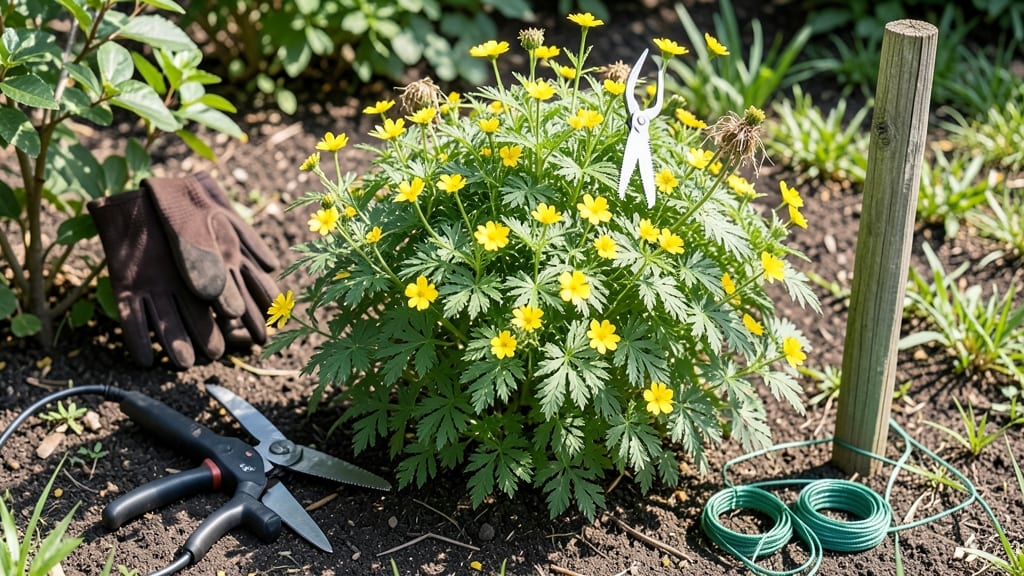
Pruning potentilla shrubs in late winter reveals their hidden potential. ✂️ I’ve transformed my leggy, overgrown bushes into vibrant, blooming powerhouses by following this exact dormant-season approach—one that boosts next summer’s flowers while keeping the plant healthy for years. The key? Timing, technique, and a little strategic cutting.
You’ll need sharp pruners, gloves, and a clear day to work—no need for fancy tools, just clean cuts and a plan. Start by removing dead or crossing branches first, then shape the shrub by cutting back one-third of last year’s growth.
For older bushes, rejuvenation pruning (cutting to the ground) on 3-4 canes at a time can bring back youthful vigor.
After pruning, your potentilla will reward you with denser foliage and a burst of blooms by midsummer. The new growth emerges faster when you prune before buds swell, and the plant directs energy into strong stems instead of weak, crowded branches.
Think of it as a fresh start for your shrub.
This method works for all potentilla varieties, whether you’re dealing with a 5-year-old shrub or a mature plant needing a reset. The best part? You’ll avoid the common mistakes—like over-pruning or cutting at the wrong time—that leave shrubs struggling. Let’s get those canes looking sharp!
📚 In This Guide
- What you need
- Instructions
- Tips and common mistakes
- Wrapping up and next steps
What you need
- ● Bypass pruners – Sharp, clean pruners (4-6 inch blades) for cutting smaller stems. Pro tip: 💡 Disinfect with rubbing alcohol between cuts to prevent disease spread.
- ● Loppers – For thicker branches (8-10 inch blades). Opt for bypass loppers to avoid crushing stems.
- ● Pruning saw – A bow saw or folding pruning saw for stubborn, woody branches (10-12 inch blades).
- ● Gloves – Heavy-duty, cut-resistant gloves to protect your hands from thorns and sharp edges.
- ● Ladder or step stool – If your shrub is taller than 5-6 feet, a stable, non-slip ladder is a must.
- ● Disposable pruning bags or bucket – For collecting debris (5-10 gallon capacity).
- ● Hand pruners with a crimping tool – For sealing larger cuts and reducing sap loss.
- ● Pruning sealant – Only use if your potentilla is bleeding heavily (e.g., Tanglefoot Pruning Seal).
- ● Rag or paper towels – For wiping down tools and cleaning sap.
- ● Marking spray or paint – If you’re rejuvenating the shrub and need to mark branches for removal.
- ● Choose a dry, frost-free day (late winter/early spring, before buds swell).
- ● Wear long sleeves and pants to protect from thorns.
- ● Have a clear workspace—remove weeds or debris around the shrub.
Step-by-step instructions for potentilla shrub pruning
Here's my battle-tested method for rejuvenating potentilla shrubs—timing, technique, and all.
✂️ Step 1: Time Your Pruning for Dormant Season
Prune potentillas in late winter or early spring, just before new growth begins. This is when the plant's energy is stored but not yet active—cutting now minimizes stress. Aim for 2-4 weeks before your last frost date. You'll know you've timed it right when buds begin swelling but haven't yet broken open.
Never prune in fall—this invites disease and weakens the plant before winter. If you missed the dormant window, wait until after flowering to do light shaping only. The goal is to avoid removing next season's blooms, which form on new wood.
🌿 Step 2: Assess and Remove Dead or Weak Growth
Start by inspecting the entire shrub for canes that are completely brown, brittle, or hollow. These are dead and must be removed at the base. Use sharp, clean pruners to cut just above a healthy bud or lateral branch. I like to make my cuts at a 45-degree angle to prevent water from pooling on the wound.
Next, identify any thin, spindly canes that never seem to flower well. These are energy vampires—remove them entirely. Look for canes that are less than pencil-thick or those growing inward toward the center. The goal is to open up the shrub's center to improve airflow and sunlight penetration.
✂️ Step 3: Thin Out Overcrowded Canes
Potentillas thrive when they have proper spacing between canes. Aim to leave 4-6 of the strongest, most vigorous canes per shrub. Remove any that cross or rub against others—these create wounds that invite disease. You'll see the best canes are those with multiple buds along their length and a sturdy, upright growth habit.
Make your cuts just above an outward-facing bud. This encourages new growth to develop away from the center, creating a more open, airy shrub. I like to step back every few cuts to visualize the shape—I'm aiming for a natural, rounded form rather than a rigid geometric shape.
☀️ Step 4: Shape for Optimal Sunlight Exposure
Now it's time to refine the shrub's shape. Potentillas need full sun to partial shade, so your goal is to create an open structure that allows light to penetrate to the center. Start by removing any canes that are growing too close together. Use your pruners to make clean cuts just above a bud that's facing outward.
For larger shrubs, consider a graduated pruning approach: remove the oldest canes first (those more than 3 years old), then work your way to younger growth. This prevents over-pruning in any one area. After shaping, step back and look at your work in the context of the landscape—you want the shrub to complement its surroundings rather than compete with them.
🌱 Step 5: Clean Up and Prepare for New Growth
After pruning, remove all cuttings and debris from the pruning area. This prevents disease from overwintering in plant material. I like to burn or compost the larger branches, while smaller trimmings go into the green waste bin. Next, apply a 2-3 inch layer of mulch around the base of the shrub, keeping it 2-3 inches away from the trunk.
Water the shrub deeply after pruning to help it recover. You'll see new growth emerge within 2-4 weeks, signaling that your pruning was successful. Monitor the plant closely for the first few weeks—new growth should be vibrant green and sturdy. If you see weak, yellowing growth, it may indicate over-pruning or stress from the process.
Tips & tricks for perfect potentilla shrub pruning
These battle-tested insights will help you transform your potentilla shrubs into healthier, more vibrant plants that reward you with stunning summer blooms.
Timing is Everything: The 2-4 week window before your last frost date is your golden opportunity. I learned this the hard way—pruning too early can expose tender buds to late frosts, while waiting too long risks removing next season's blooms. Check your local frost date and mark your calendar. If you're unsure about timing, look for buds that are swollen but haven't yet broken open—this is your visual cue that it's time to prune.
Tool Preparation Matters: Before you even touch your shrub, take 5 minutes to sharpen your pruners and clean them with rubbing alcohol. Dull blades crush stems instead of making clean cuts, which stresses the plant and invites disease. I keep a small bottle of rubbing alcohol in my gardening toolkit specifically for this purpose. Also, make sure your pruners are sharp enough to cut through a pencil with ease—if they struggle, they're not ready for pruning.
Graduated Pruning Technique: When thinning out overcrowded canes, work from oldest to youngest. Start with canes that are more than 3 years old—these have served their purpose and are less vigorous. The graduated approach prevents shock to the plant by removing only a portion of the foliage at once. After each cut, step back and visualize how the shrub will look with that cane removed. This helps you maintain a natural, balanced shape rather than creating an artificial geometric form.
Post-Pruning Care is Critical: That 2-3 inch layer of mulch isn't just decorative—it's essential for protecting the plant's roots and retaining moisture. I always add a slow-release fertilizer at this stage to give the plant a nutrient boost as it recovers. The deep watering after pruning helps establish new root growth, setting the stage for those vibrant green shoots you'll see within 2-4 weeks. Don't skip this step, even if your shrub looks perfect after pruning.
Pro Tips for Potentilla Shrub Pruning
- These battle-tested insights will help you transform your potentilla shrubs into healthier, more vibrant plants that reward you with stunning summer blooms.
- Timing is Everything: The 2-4 week window before your last frost date is your golden opportunity.
- Tool Preparation Matters: Before you even touch your shrub, take 5 minutes to sharpen your pruners and clean them with rubbing alcohol.
Frequently asked questions
Got questions about pruning your potentilla shrubs?
Here are some of the most common concerns—plus clear, actionable answers to keep your shrubs thriving!
When is the best time to prune potentilla shrubs?
The ideal window is late winter to early spring (before new growth starts), while the plant is still dormant. This timing prevents stress and promotes vigorous summer blooms. Avoid pruning in fall—it can stimulate tender new growth that won’t survive winter.
How much can I cut back my potentilla shrub?
For most varieties, you can aggressively prune—cutting back up to ⅓ of the oldest canes to the ground. This rejuvenates the shrub and encourages fresh, healthy growth. Just avoid over-pruning; leave some structure to support new blooms.
What if my potentilla isn’t blooming well after pruning?
Poor blooms often mean over-pruning or cutting back too late (after buds form). Focus on removing only dead or weak canes and leave some last year’s growth. If needed, fertilize lightly in spring to boost energy for flowers.
Can I prune potentilla in summer?
Yes, but lightly! Summer pruning is best for shaping or deadheading spent blooms—never cut more than 10-15% of the plant. Heavy summer pruning stresses the shrub and may reduce next year’s flowers. Save major cuts for dormant season.
How do I handle pests or diseases after pruning?
Pruning opens wounds, so sterilize tools (use rubbing alcohol) and remove infected canes immediately. Thin, airy growth post-pruning reduces humidity (a pest magnet). Watch for spider mites or powdery mildew—treat with neem oil if spotted early.
Wrapping up and next steps
Mastering potentilla shrub pruning during dormancy is your secret weapon for vibrant summer blooms and healthy canes! 🌿 By following this blueprint—cleaning up dead growth, shaping strategically, and avoiding over-pruning—you’ll set your shrubs up for success. Remember: patience and precision pay off in lush, repeat-flowering rewards.
Ready to transform your landscape? Grab your pruners, mark your calendar for late winter or early spring, and give your potentilla shrubs the care they deserve. Your future summer garden will thank you! 🌸✨