
Pruning
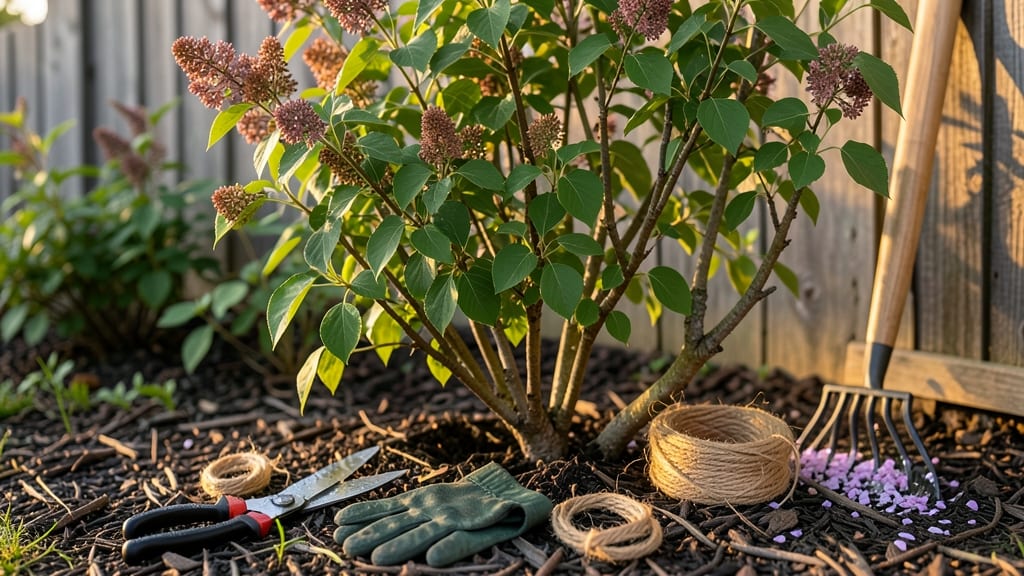
See the lilac pruning before and after difference—your bushes could go from scraggly to dense, fragrant, and full of blooms with just three cuts. ✂️ The difference between a tangled mess and a showstopper comes down to timing, technique, and knowing exactly where to prune.
I’ve turned my own lilacs from a tangled mess into a neighborhood conversation piece using the same steps I’ll share with you.
Late winter or early spring is the magic window—before buds swell but after the worst frost. Grab your pruners, a bucket for clippings, and a sharp eye for the oldest stems (they’re the ones that won’t bloom well this year).
The goal? Open up the center so light and air reach every branch, while keeping the plant’s natural shape. Most people over-cut or prune at the wrong time, but this method is foolproof once you see the before-and-after.
After pruning, your lilacs will reward you with stronger growth and more blooms than ever. The first flush of flowers might be smaller, but the second flush will be bigger and bushier, with stems packed with buds.
By next year, you’ll have a lilac that looks like it belongs in a botanical garden—not your backyard. The key is patience: let the plant recover, and it’ll thank you with years of effortless beauty.
Even if you’ve pruned wrong before, it’s never too late to fix it. Uneven cuts? Shape them up. Over-pruned? Focus on new growth this season. The before-and-after photos in this guide will show you exactly what to look for—so you’ll know you’re on the right track.
Ready to transform your lilacs?
📚 In This Guide
- What you need
- Instructions
- Tips and common mistakes
- Wrapping up and next steps
What you need
- ● Pruning shears or secateurs – Choose bypass-style (for clean cuts) or anvil-style (for thicker branches). Size: 6-8" blades for medium-sized lilacs.
- ● Loppers – For thicker stems (½" or larger). Quantity: 1 pair with bypass blades for precision.
- ● Garden gloves – Heavy-duty, cut-resistant (e.g., leather or synthetic blend) to protect hands from thorns and sharp branches.
- ● Disinfectant (70% isopropyl alcohol or bleach solution) – 1:9 ratio of bleach to water to clean tools between cuts and prevent disease spread.
- ○ Pruning saw – Optional but helpful for very thick, woody stems (rare in lilacs but useful for older bushes). Type: Curved-tooth saw for clean cuts.
- ● Garden twine or zip ties – For temporarily securing branches if needed during pruning.
- ● Trash bags or compost bin – To collect pruned branches and debris. Size: 13-gallon bags for small to medium bushes.
- ● Hand pruners with a bypass blade – For detailed trimming of smaller stems.
- ● Knee pads or a small stool – If your lilac bush is tall or dense, these make pruning more comfortable.
- ● Sharpie or permanent marker – To mark branches for removal before cutting (great for planning!).
- ● Garden hose with nozzle – For rinsing tools and cleaning up sap or debris afterward.
- ● Safety glasses – Protects eyes from flying debris, especially when using a pruning saw.
Step-by-Step lilac pruning: transform your bush in minutes
Lilacs thrive when pruned correctly—here’s my go-to method for restoring shape and boosting blooms.
✂️ Step 1: Remove Dead or Weak Wood First
Start by scanning your lilac for branches that are brown, brittle, or completely bare. These won’t produce flowers and compete with healthy growth. Use sharp bypass pruners to cut these stems all the way back to the main trunk or to a strong outward-facing bud. I always make cuts at a 45-degree angle just above the bud to prevent water from pooling and causing rot.
If a branch is too thick for your pruners, use a pruning saw instead—never leave stubs. The goal here is to open up the center of the plant so light and air can reach all the way in. You’ll notice how much easier it is to see the plant’s natural structure once the dead wood is gone.
✂️ Step 2: Thin Out Crowded Branches
Next, focus on branches that are growing inward or crossing over each other. These compete for sunlight and nutrients, which weakens flowering. I look for stems that are thinner than a pencil—these are the ones to remove entirely. Cut them back to the main trunk or to a healthy side branch. For thicker branches, trim them back to a strong outward-facing bud to encourage new growth in the right direction.
Don’t be afraid to remove up to one-third of the plant’s oldest stems—this rejuvenates lilacs and encourages more vibrant blooms next year. You’ll see the plant’s natural shape emerge as you work, with room for new growth to fill in the gaps.
✂️ Step 3: Shape the Outer Frame
Now it’s time to refine the plant’s silhouette. Step back and look at the overall shape—lilacs typically grow in a rounded or vase-like form. Trim the outer branches to encourage a fuller, more balanced look. I like to leave the strongest, healthiest branches and shorten them slightly to promote bushier growth. Cut just above a bud that faces outward to maintain the plant’s natural form.
For a more formal look, you can trim the outer edges evenly, but lilacs look best when they retain their natural, slightly wild charm. Avoid over-trimming—just enough to define the shape and remove any straggly growth. You’ll see how much more open and airy the plant looks after this step.
🌿 Step 4: Clean Up and Monitor Growth
After pruning, rake up and dispose of all the clippings to keep your garden tidy. Lilacs don’t require heavy mulching, but a light layer of mulch around the base helps retain moisture and suppress weeds. Water deeply if the weather has been dry, especially if you’ve done a lot of pruning.
Watch for new growth in the spring—you’ll see fresh, green shoots emerging from the buds you left behind. This is your sign that the pruning worked! Lilacs bloom on last year’s wood, so avoid heavy pruning in the fall if you want flowers the following year. With this method, your lilac will look like a well-loved, thriving bush in no time.
Tips & tricks for perfect lilac pruning
Here's what nobody tells you about transforming your lilac bush—these tricks make all the difference between a messy job and a stunning before-and-after.
Tool Selection: Your pruners matter more than you think. Sharp bypass pruners cut cleanly without crushing stems, which is critical for lilacs. I've ruined two lilacs with dull pruners—trust me, you'll see the difference immediately. For branches thicker than a pencil, a pruning saw prevents tearing. Always clean your tools with rubbing alcohol between cuts to prevent spreading disease.
Bud Direction Matters: When making cuts in Step 1 and Step 2, look for outward-facing buds—they're your secret weapon for shaping. I learned this the hard way after creating a lilac with all its new growth pointing inward (total disaster!). Cutting at a 45-degree angle just above an outward-facing bud ensures new growth fills the plant's center naturally. This simple technique creates that perfect rounded shape we all want.
Season Timing: While spring is ideal, you can prune lilacs immediately after flowering if needed. The key is to avoid heavy pruning in fall—lilacs bloom on last year's wood, so cutting back too much will mean fewer flowers next spring. If you must prune in fall, limit yourself to removing only dead or diseased branches. I've seen gardeners completely miss next year's blooms by pruning too late!
Visual Cues for Pruning: Step back frequently during Step 3 to check your work. You're aiming for a balanced silhouette where light can reach the center. Think of it like sculpting—you want to remove just enough to reveal the plant's natural beauty, not strip it bare. A good rule of thumb: if you can see through the center to the other side, you've done enough thinning. The transformation happens when you can finally see the plant's true structure.
Pro Tips for Lilac Pruning Before And After
- Here's what nobody tells you about transforming your lilac bush—these tricks make all the difference between a messy job and a stunning before-and-after.
- Tool Selection: Your pruners matter more than you think.
- Bud Direction Matters: When making cuts in Step 1 and Step 2, look for outward-facing buds—they're your secret weapon for shaping.
Frequently asked questions
Got questions about lilac pruning? You’re not alone! Here are answers to the most common concerns—so you can prune with confidence and watch your lilacs bloom beautifully.
When is the best time to prune lilacs?
Prune lilacs right after they finish blooming (late spring to early summer). This ensures you don’t cut off next year’s flower buds, which form on old wood. Avoid pruning in fall or winter—it can damage the plant and reduce spring blooms.
What if I prune my lilacs at the wrong time?
If you prune too late (after mid-summer), you might remove next year’s flower buds, resulting in fewer blooms. If you’ve already pruned at the wrong time, don’t stress! Lilacs are resilient—just focus on proper care (watering, mulching) to help them recover for the next season.
Can I prune lilacs to encourage bigger flowers?
Yes! To promote larger, more abundant blooms, prune lightly each year—removing only dead, crossing, or overcrowded branches. Avoid heavy pruning; it can stimulate leafy growth over flowers. Think of it as a gentle haircut, not a buzz cut!
What should I avoid when pruning lilacs?
Avoid these pruning mistakes:
- Cutting into old wood (wood older than 3 years)—it won’t regrow.
- Pruning too aggressively (never remove more than 1/3 of the plant at once).
- Leaving stubs—always cut just above a bud or branch collar.
- Pruning in wet or freezing conditions—tools can dull, and cuts may heal poorly.
How often should I prune my lilacs?
Prune lilacs annually after blooming to maintain shape and health. Older, overgrown lilacs may need a renewal pruning every 3–5 years—cutting back 1/3 of the oldest stems to rejuvenate growth. Just remember: patience is key! Lilacs thrive with gradual shaping.
Wrapping up and next steps
Pruning your lilacs doesn’t have to be intimidating—with the right timing, tools, and technique, you can transform overgrown bushes into stunning, healthy blooms.
The key takeaway? Cut back old wood in late winter or early spring, shape with confidence, and fertilize for vibrant growth. Your lilacs will reward you with lush foliage and breathtaking flowers in no time!
Ready to see the magic? Grab your pruners and get started today! For extra inspiration, snap a before-and-after photo of your transformed lilacs and share it with fellow gardeners—you’ll love watching your hard work bloom! 🌸✂️