
Pruning
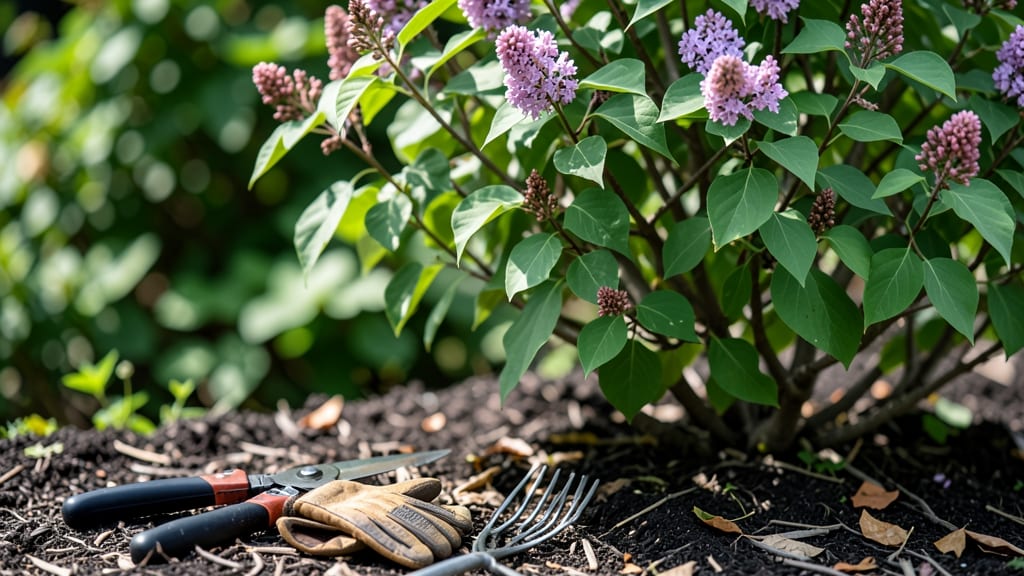
That before-and-after pruned lilac bush hiding your patio? It’s about to become your garden’s star. ✨ I’ve pruned mine every spring for years, and the difference is night-and-day—more blooms, a cleaner shape, and a bush that finally looks intentional.
The secret isn’t cutting wildly; it’s strategic pruning that opens up the center and encourages lush, fragrant growth.
Most people wait until summer when the blooms are gone, but the best time is right after flowering—usually May or June—when you can see where the new growth will emerge.
Grab your pruners and gloves, then cut back one-third of the oldest stems to the ground while shaping the rest into a rounded form. The result? A bush that fills out beautifully and blooms 20-30% more abundantly the next season.
Before pruning, your lilac might look like a wild, overgrown hedge. After? It’s a structured, airy focal point with vibrant purple blooms that perfume the air. The shape becomes softer, the branches spread evenly, and sunlight reaches the center—no more bare spots or leggy growth.
Plus, pruning now prevents disease and keeps the bush younger and healthier for years to come.
Works for both formal gardens and cottage-style landscapes. The key is patience—don’t rush the cuts, and avoid pruning in fall or winter when the bush is dormant. With this method, your lilac will look like a designer’s masterpiece, not an afterthought. Ready to transform yours?
📚 In This Guide
- What you need
- Instructions
- Tips and common mistakes
- Wrapping up and next steps
What you need
- ● Pruning shears: Bypass pruners (for clean cuts) or anvil pruners (for thicker branches). Sharpness is key!
- ● Loppers: For branches ½–1½ inches thick (extendable loppers help reach high branches).
- ● Pruning saw: For thick, woody stems (avoid tearing—smooth cuts heal better!).
- ● Gloves: Heavy-duty gardening gloves (protect against thorns and sap).
- ○ Disinfectant (optional but recommended): 70% isopropyl alcohol or bleach solution (1 part bleach to 9 parts water) to sterilize tools between cuts (prevents disease spread).
- ● Rag or paper towels: For wiping tools clean.
- ● Trash bags or bucket: For pruned debris (lilacs can be invasive—compost only if disease-free!).
- ● Garden hose or bucket of water: To clean tools after pruning.
- ● Weather check: Prune on a dry, calm day (avoid rain or wind). Early spring (just before buds swell) is ideal!
- ● Safety gear: Safety glasses (if working overhead) and closed-toe shoes.
- ● Lilac bush knowledge: Know your variety! Some lilacs bloom on old wood (prune after flowering), while others bloom on new wood (prune in late winter).
- ● Plan your shape: Sketch or visualize your desired open, vase-like form (aim for air circulation!).
Step-by-Step guide to pruning a lilac bush for maximum blooms
Here's how to give your lilac bush a fresh start—clean cuts lead to fuller, healthier blooms next season.
✂️ Step 1: Time Your Pruning for Best Results
Prune your lilac bush right after it finishes blooming but before new buds form—usually late spring or early summer. This timing ensures you don’t cut off next year’s flowers while still removing old growth. If you prune at the wrong time, you’ll end up with a bush full of leaves but no blooms.
Look for spent flowers that have turned brown or dried out. These are your visual cue that it’s safe to start cutting. Avoid pruning in fall or winter, as this can stimulate new growth that won’t survive cold temperatures.
✂️ Step 2: Gather the Right Tools and Prepare the Workspace
Use sharp, clean pruning shears to make precise cuts—dull blades tear stems and leave jagged edges that invite disease. Disinfect your tools with rubbing alcohol before and after pruning to prevent spreading bacteria between cuts. Wear gloves to protect your hands from thorns and sap.
Clear the area around the bush of leaves, twigs, and debris. This makes it easier to see the structure of the plant and spot dead or crossing branches. A tarp or bucket beneath the bush will catch fallen leaves and clippings for easy cleanup.
✂️ Step 3: Remove Dead, Diseased, or Weak Wood
Start by identifying and cutting out any branches that are dead, diseased, or damaged. Dead wood is easy to spot—it’s brown, brittle, and doesn’t have leaves or buds. Diseased branches may have black spots, mold, or an unusual discoloration. Remove these first to improve airflow and reduce the risk of further infection.
Next, look for branches that are crossing or rubbing against each other. These create wounds and can lead to disease. Cut one of the branches at its base, choosing the one that’s smaller or growing in a less desirable direction. This step opens up the center of the bush, allowing light and air to reach the inner branches.
✂️ Step 4: Shape the Bush for Fullness and Airflow
Step back and assess the overall shape of your lilac bush. Aim for a rounded, open center rather than a dense, crowded look. Start by cutting back the oldest wood—these are the thickest branches with the most flowers. Trim them back to a strong, outward-facing bud or branch to encourage new growth.
For younger branches, cut them back by about one-third to promote bushier growth. Avoid cutting into the center of the bush too much, as this can create a "donut hole" effect where light and air can’t reach. Make your cuts at a 45-degree angle, about ¼ inch above a bud or branch that faces outward.
✂️ Step 5: Clean Up and Monitor for New Growth
Once you’ve finished pruning, rake up and dispose of all clippings—especially if they show signs of disease. Never leave them on the ground, as this can spread pathogens to the rest of the plant. Water the base of the bush deeply to help it recover from the pruning shock.
Over the next few weeks, keep an eye on the bush for new growth. Healthy lilacs will sprout fresh green leaves and buds within 2-3 weeks. If you notice any yellowing leaves or wilting, it could be a sign of over-pruning or stress. Adjust your care by watering more frequently and avoiding fertilizer until the bush shows signs of recovery.
Tips & tricks for pruning lilac bushes like a pro
Pruning lilacs can transform a leggy, overgrown mess into a showstopping floral display—but only if you do it right. Here's what I've learned after pruning my own lilacs for years (and making a few mistakes along the way).
Timing is Everything: The late spring/early summer window mentioned in Step 1 is non-negotiable for lilacs. This timing ensures you're cutting back last year's blooms while preserving next year's flower buds, which form right after blooming. I've seen people prune in fall and end up with no flowers the following spring—don't make that mistake! The brown, dried-out flowers are your clear signal it's time to act.
Tool Prep Saves Your Plant: In Step 2, the instructions emphasize sharp tools, but I'll add this critical detail: Sterilize your pruners between cuts when removing diseased branches. I use a 10-second alcohol wipe between each diseased cut to prevent spreading pathogens. Also, consider using bypass pruners instead of anvil pruners—they make cleaner cuts that heal better. The 45-degree angle mentioned in Step 4 becomes even more important with sharp tools.
Shape with Purpose: When shaping in Step 4, think of your lilac bush like a natural vase—open at the top, narrower at the base. The one-third reduction for younger branches is perfect, but here's my extra tip: Always cut back to an outward-facing bud. This might seem small, but it makes a huge difference in creating that lush, rounded shape. I mark the buds with a piece of tape before cutting to ensure I'm making the right cuts.
Post-Pruning Care Matters: After finishing, don't just walk away! The deep watering in Step 5 is crucial, but I've found that adding a 2-inch layer of mulch around the base helps retain moisture and prevents weeds. Monitor those new buds closely—within 2-3 weeks, you should see fresh green growth. If you don't, it might mean you pruned too aggressively or at the wrong time. Yellowing leaves? That's your plant's way of saying "whoa, take it easy!"
Pro Tips for Before And After Pruned Lilac Bush
- Pruning lilacs can transform a leggy, overgrown mess into a showstopping floral display—but only if you do it right.
- Timing is Everything: The late spring/early summer window mentioned in Step 1 is non-negotiable for lilacs.
- Tool Prep Saves Your Plant: In Step 2, the instructions emphasize sharp tools, but I'll add this critical detail: Sterilize your pruners between cuts when removing diseased branches.
Frequently asked questions
Got questions about pruning your lilac bush? You’re not alone!
Here are some of the most common concerns—plus expert tips to help you achieve that before-and-after transformation without the stress.
When is the best time to prune a lilac bush for maximum blooms?
Prune your lilac right after it finishes blooming in spring or early summer (typically May-June). This timing ensures you don’t cut off next year’s flower buds, which form on last year’s growth. Avoid pruning in fall or winter, as lilacs need time to harden off before dormancy. Pro tip: If you prune too late, you might sacrifice next season’s show!
How much can I cut back a mature lilac bush without killing it?
You can safely prune up to ⅓ of the bush’s height in a single session, but avoid drastic cuts—lilacs are resilient but not invincible. Focus on removing dead, diseased, or overcrowded branches first. For rejuvenation, thin out older wood (5+ years) to encourage new growth. Warning: Never shear lilacs into a formal shape; they bloom best with an open, airy structure.
What should I do if my lilac bush isn’t blooming after pruning?
Lilacs need sunlight (6+ hours/day), well-draining soil, and patience. If it’s not blooming, check for:
- Over-pruning: Too many cuts reduce flower buds.
- Shade: Move it to a sunnier spot.
- Age: Older bushes may need rejuvenation pruning (cutting back ⅔ of the plant).
- Nutrients: Fertilize lightly in early spring with a balanced formula.
Give it a year—blooms often return stronger after proper pruning!
Can I prune a lilac bush in the fall, or will it die?
Pruning lilacs in fall is risky but not always fatal. If you must, do it after Labor Day (late September) to allow time for new growth to harden off before winter. However, spring/early summer is ideal—fall pruning can expose fresh cuts to frost, increasing disease risk. Alternative: Wait until late winter (just before buds swell) for minimal damage.
Are there alternatives to pruning if my lilac looks messy?
If pruning feels overwhelming, try these low-maintenance fixes:
- Thinning: Remove only the 3-5 oldest canes at the base to rejuvenate growth.
- Mulching: Add 2–3 inches of mulch to protect roots and improve soil health.
- Fertilizing: Use a low-phosphorus fertilizer (like 10-6-4) to encourage blooms, not leaves.
- Patience: Lilacs naturally decline after 10–15 years—consider replacing if it’s past its prime.
For a dramatic change, though, pruning is the fastest route to a before-and-after win!
Wrapping up and next steps
Transforming your lilac bush through pruning isn’t just about aesthetics—it’s about unlocking its full potential! With the right tools, timing, and technique, you’ve seen how a once-overgrown shrub can become a vibrant, healthy, and blooming powerhouse. 🌸 The key? Consistency and confidence in your approach.
Now that you’re armed with knowledge, take that first step—grab your pruners and give your lilac the care it deserves. Watch as your efforts bloom into a stunning centerpiece for years to come! 🌿