
Pruning
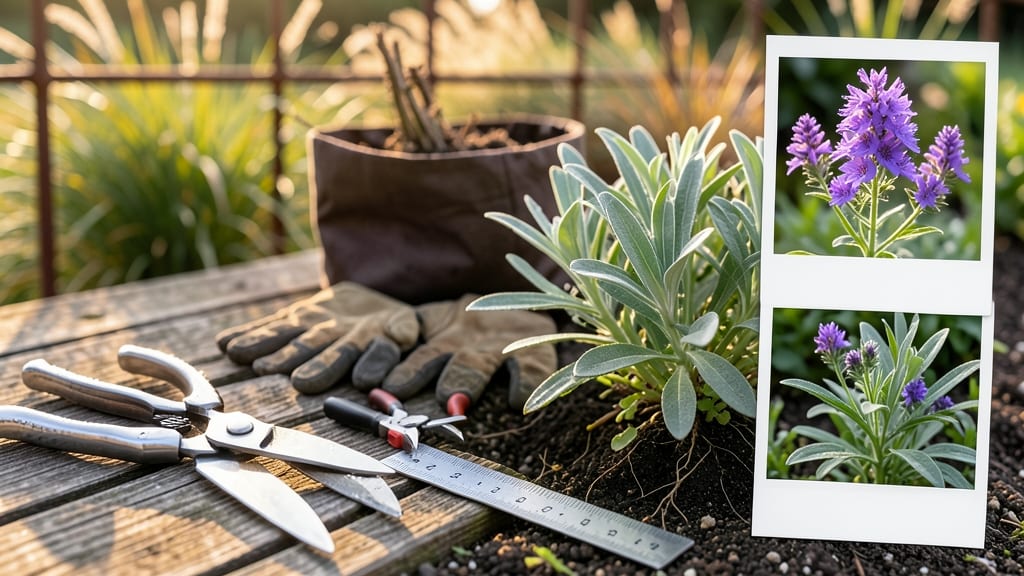
Pruning penstemon the right way turns one burst of color into months of blooms. ✨ I’ve watched my penstemon go from a single summer showstopper to a repeat performer—all by following these simple steps that keep plants healthy and flowering longer.
The key? Timing, tools, and knowing exactly where to cut.
You’ll need just a few basics: sharp pruners (clean blades prevent disease), gloves (penstemon stems can be prickly), and a sunny day to work.
The best time to prune is right after the first flush of blooms fades—usually late summer—but you can also give your plants a light trim in early spring to encourage fresh growth. Avoid cutting into woody stems, as penstemon often blooms on new wood.
Start by snipping off spent blooms just above the next set of leaves or leaf pair. For a bushier plant, trim back leggy stems by one-third to encourage branching.
If your penstemon looks overgrown or woody, a rejuvenation prune in early spring—cutting back all stems to 4-6 inches—can bring back vigorous growth. The result? A plant that keeps flowering well into fall.
Here’s the secret: consistency is everything. Prune regularly after blooms fade, and your penstemon will reward you with longer bloom seasons and fewer leggy stems. Avoid over-pruning in late summer, as this can stunt next year’s flowers.
With these steps, your penstemon will stay vibrant, productive, and full of life for years to come.
📚 In This Guide
- What you need
- Instructions
- Tips and common mistakes
- Wrapping up and next steps
What you need
- ● Bypass pruners – Sharp, clean bypass pruners (4-6 inch blades) for precise cuts. Avoid dull tools to prevent crushing stems.
- ● Hand pruners (felco or similar) – For smaller stems and deadheading. Look for ergonomic handles for comfort.
- ● Garden gloves – A pair of nitrile-coated gloves (size medium/large) to protect hands from thorns or rough stems.
- ● Disinfectant (70% isopropyl alcohol or bleach solution) – A small spray bottle or wipe to sterilize tools between cuts and prevent disease spread.
- ○ Garden shears or loppers – For thicker stems (optional if your penstemon is small; 8-12 inch blades work well).
- ● Garden twine or rubber bands – To bundle cuttings for propagation (if you’re planning to grow new plants from pruned stems).
- ● Trash bag or bucket – For collecting debris and spent blooms.
- ● Knee pads or stool – For comfort if your penstemon is tall or ground-level pruning is needed.
- ● Pruning saw – Only for very thick, woody stems (rare in penstemon but useful for established plants).
- ● Plant food or compost – To nourish the plant post-pruning (e.g., balanced 10-10-10 fertilizer or worm castings).
- ● Notebook & pen – To jot down pruning dates or notes on plant health.
Step-by-Step guide to pruning penstemon for longer blooms
This method keeps your penstemon vibrant and flowering all season—no fancy tools required.
✂️ Step 1: Wait for the Right Time to Prune
Never prune penstemon in early spring or during active growth—you’ll cut off new buds forming for the season. Instead, time your first pruning after the first flush of blooms fades, usually 4-6 weeks after initial flowering. This gives the plant time to establish its energy stores for a second round of blooms.
Look for spent flower stalks that have turned brown and dried completely. These are your targets—leave healthy, green stems untouched. If you prune too early, you risk stunting the plant’s ability to rebound. If you wait too long, the plant may redirect energy toward seed production instead of new flowers.
✂️ Step 2: Deadhead Spent Blooms Correctly
Use clean, sharp pruners (or your fingers for small stems) to snip just above a set of healthy leaves where the bloom stem meets the main stem. Avoid cutting into leaf tissue—this invites disease. For penstemon’s unique flower clusters, you’ll often see multiple stems emerging from one node; trim all of them back to the same point.
Here’s the thing—penstemon blooms on new wood, meaning it produces flowers on current season’s growth. Cutting back too aggressively removes potential bloom sites. Aim to remove only the dead, brown flower stalks, leaving at least 2-3 inches of green stem below each cut. This ensures the plant has enough energy to regenerate.
✂️ Step 3: Lightly Trim Leggy Growth for Bushier Habit
If your penstemon has grown tall and leggy, it’s likely stretching for light. After deadheading, take a moment to pinch back the tips of the longest stems by about ⅓ of their length. This encourages the plant to branch out, creating a fuller, more compact shape. Focus on the top 2-3 inches of the main stems—you’ll see new side shoots emerge within 2-3 weeks.
Don’t overdo it—penstemon is drought-tolerant but not a heavy feeder. If you prune more than one-third of the plant’s height, you risk weakening it for the second bloom cycle. Think of this as a light haircut, not a buzz cut. You’ll know you’ve done it right when you see new leaf growth at the nodes below your cuts.
✂️ Step 4: Clean Up and Fertilize for the Next Bloom
After pruning, remove all cuttings from the area to prevent fungal spores from lingering. Shake out your pruners and wipe them with rubbing alcohol to keep them sterile. Now’s the time to feed your penstemon lightly—use a balanced, water-soluble fertilizer (like 10-10-10) diluted to half-strength. This gives the plant a gentle energy boost without overwhelming it.
Water deeply at the base after fertilizing to help the roots absorb nutrients. Avoid wetting the foliage, as penstemon dislikes damp leaves. Within 7-10 days, you should see new growth at the pruned nodes. This is your signal that the plant is recovering and preparing for its next round of blooms.
⏰ Step 5: Monitor and Repeat for Extended Blooms
Penstemon can produce 3-4 rounds of blooms in a single season if cared for properly. After the second flush of flowers, repeat the deadheading process—but this time, be even more selective. Only remove fully spent blooms, leaving any partially open flowers to encourage the plant to keep producing. By late summer, you can lightly trim back any overly woody stems to keep the plant tidy without sacrificing next year’s growth.
Here’s where it gets fun—watch for new flower buds forming at the tips of the stems. If you see them, hold off on further pruning until those blooms open. Penstemon is a tough, resilient plant, but it rewards precision. With each careful cut, you’re not just maintaining its shape—you’re extending its flowering season and ensuring it thrives for years to come.
Tips & tricks for pruning penstemon like a pro
These simple yet game-changing insights will help you extend your penstemon's bloom time while keeping it healthy and thriving.
Timing is Everything: The 4-6 week window after initial flowering is your sweet spot for the first pruning. I learned this the hard way—pruning too early stunted my plants' rebound, while waiting too long meant they focused on seeds instead of flowers. Watch for those brown, crispy flower stalks—they're your cue to act. If you're unsure, wait until at least half the first bloom cycle has faded completely.
Precision Cuts Prevent Problems: When deadheading in Step 2, aim for that sweet spot just above a set of healthy leaves where the bloom stem meets the main stem. I used to cut too close to the main stem, and it took me years to notice how much healthier the plants looked when I left those 2-3 inches of green stem intact. This small detail makes all the difference in preventing disease and encouraging new growth. For stubborn stems, a quick pinch with your fingers works just as well as pruners.
The Leggy Growth Hack: That ⅓ length pinch back in Step 3 might seem aggressive, but it's actually a gentle nudge for your penstemon to branch out. Focus on the top 2-3 inches of the longest stems—this is where the magic happens. I've seen plants that were nearly bare after winter transform into lush, bushy beauties within just 3 weeks when I did this step correctly. The key is patience: let those new side shoots emerge before you consider another round of pruning.
Fertilizer Timing Matters: After pruning, that half-strength 10-10-10 fertilizer application gives your penstemon just the right boost. I've found the best results come when I apply it right after cleaning up, while the plant is still energized from the pruning process. Water deeply at the base immediately after—this helps the roots absorb the nutrients without wasting them on the foliage. Within 7-10 days, you'll see those new growth signals at the pruned nodes, proving you've done everything right.
Pro Tips for Prune Penstemon
- These simple yet game-changing insights will help you extend your penstemon's bloom time while keeping it healthy and thriving.
- Timing is Everything: The 4-6 week window after initial flowering is your sweet spot for the first pruning.
- Precision Cuts Prevent Problems: When deadheading in Step 2, aim for that sweet spot just above a set of healthy leaves where the bloom stem meets the main stem.
Frequently asked questions
Got questions about pruning your Penstemon? You’re not alone! Here are some of the most common concerns—plus quick, actionable answers to keep your plants thriving.
When is the best time to prune Penstemon?
Prune after the first flush of blooms (late spring to early summer) to encourage a second round of flowers. For deadheading, snip spent blooms weekly during the flowering season. Avoid pruning in late fall or winter, as Penstemon needs its foliage to protect the crown over winter.
How much should I cut back Penstemon?
For deadheading, trim just above the next set of leaves or buds to redirect energy to new growth. If your plant looks leggy or overgrown, you can prune up to 1/3 of the plant’s height in early spring—but never cut into old wood, as Penstemon rarely regrows from bare stems.
What if my Penstemon stops blooming after pruning?
If blooms taper off, check for these fixes: over-pruning (leave at least 6–8 inches of growth), poor sunlight (Penstemon needs full sun), or nutrient deficiencies (feed with a balanced fertilizer in early spring). Yellowing leaves? It might need more water or better drainage.
Can I prune Penstemon in containers differently?
Container-grown Penstemon follows the same rules, but prune more aggressively if roots are crowded. Trim back by 1/2 to 2/3 in early spring to stimulate bushier growth. Also, repot every 2–3 years to refresh soil and prevent root-bound stress.
What if I accidentally prune too much?
Don’t panic! If you’ve over-pruned, stop cutting and focus on care: water consistently, fertilize lightly, and protect from extreme heat. Penstemon is tough—it may take a season to recover, but it’ll bounce back with proper attention. For severe cuts, consider dividing the plant next spring.
Wrapping up and next steps
Pruning your penstemon isn’t just about tidying up—it’s your secret to longer blooms, healthier plants, and stunning second flushes! 🌸 By deadheading spent flowers, trimming leggy growth, and timing cuts right, you’ll keep your penstemon thriving season after season. Remember, patience and precision pay off with vibrant, repeat blooms.
Ready to give your penstemon the care it deserves? Grab your pruners and head outside—your garden’s next masterpiece starts with a single snip! For extra inspiration, explore penstemon variety guides to pick the perfect addition to your landscape.