
Pruning
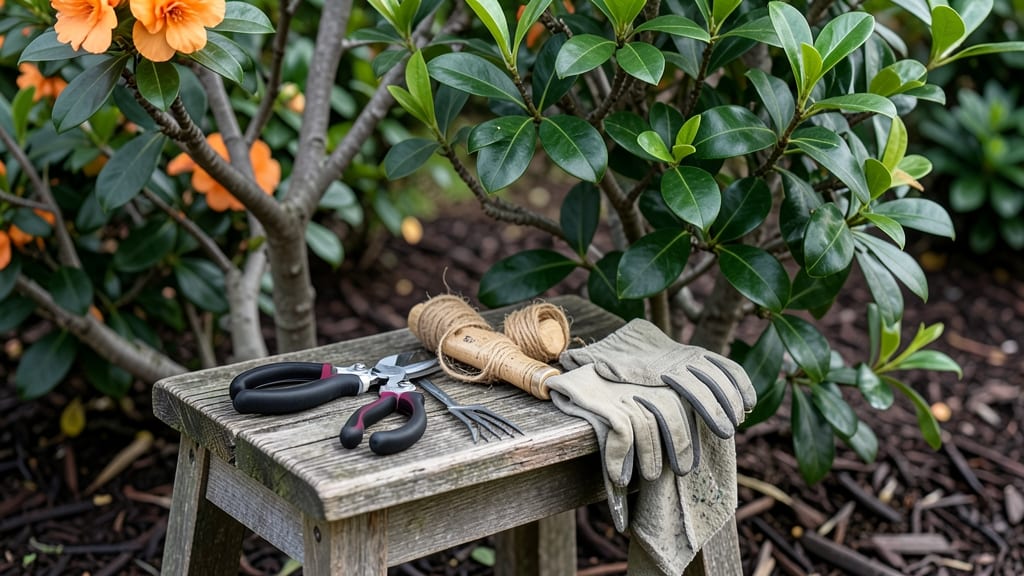
How to prune a mock orange plant in late winter is the secret to a fragrant, thriving shrub—just as new growth begins, before the first buds appear. ✂️ I’ve pruned mine for years, and the difference between a tidy, fragrant canopy and a tangled mess comes down to timing, technique, and a sharp pair of shears. This isn’t just about shaping; it’s about encouraging next year’s blooms while keeping the plant healthy and vigorous.
You’ll need clean, sharp pruners (dull blades crush stems), gloves (those thorns don’t play nice), and a bucket for clippings. Mock orange responds best to structured cuts: remove dead or crossing branches first, then thin out older wood to improve airflow.
Aim to open the center of the shrub—this prevents disease and lets sunlight reach the heart, where those iconic white flowers will burst forth in late spring.
The payoff? A lush, fragrant bush that blooms more heavily than ever, with fewer bare spots and stronger stems. After pruning, give your mock orange a light feeding with balanced fertilizer and keep it well-watered while new growth establishes.
By early summer, you’ll be rewarded with clusters of intoxicating blossoms that smell like heaven.
For overgrown shrubs, don’t panic—rejuvenation pruning works wonders if you’re patient. Simply cut back one-third of the oldest wood each year until the plant regains its shape.
And here’s the secret: prune after blooms fade if you missed the late-winter window, but you’ll sacrifice some flowers that season. Worth it for long-term health!
📚 In This Guide
- What you need
- Instructions
- Tips and common mistakes
- Wrapping up and next steps
What you need
- ● Pruning shears: Sharp, bypass-style shears (for clean cuts on small stems). Size: 6–8 inches (ideal for mock orange branches).
- ● Loppers: For thicker branches (½–1 inch in diameter). Look for: Long handles (20–24 inches) and a ratcheting or bypass blade.
- ○ Pruning saw: Optional but helpful for stubborn, woody stems >1 inch thick. Type: Curved-tooth saw for clean cuts.
- ● Garden gloves: Heavy-duty, cut-resistant gloves (e.g., mechanized or leather) to protect hands from thorns.
- ● Disinfectant: 70% isopropyl alcohol or a gardening disinfectant spray (to sterilize tools between cuts and prevent disease).
- ● Trash bags or bucket: For collecting pruned branches and debris.
- ● Weather check: Prune on a dry, calm day (avoid rain or wind). Best time: Late winter (before buds swell).
- ○ Safety glasses: Optional but recommended if branches are thick or thorny.
- ● Ladder or stool: If your mock orange is taller than 6 feet (ensure it’s stable and non-slip).
- ● Notebook & pen: To jot down pruning notes (e.g., branch locations, cuts made).
Step-by-step guide to pruning mock orange for healthier blooms
Late winter is the perfect time to refresh your mock orange shrub—here’s how to shape it for a fuller, fragrant spring.
✂️ Step 1: Remove Dead or Damaged Branches First
Start by scanning your mock orange for any branches that are brown, brittle, or clearly dead. These are easy to spot—they’ll snap when you bend them slightly, or they may have no leaves at all. Use clean, sharp pruning shears to cut these branches all the way back to the main stem or a healthy lateral branch. This step is non-negotiable because dead wood can harbor pests and diseases that might spread to healthy growth.
If you’re unsure whether a branch is truly dead, scratch the bark with your fingernail. Green underneath means it’s still alive and should stay put for now. I always prune dead branches first because it gives me a clear view of the shrub’s structure before I start shaping it.
✂️ Step 2: Thin Out Overcrowded or Rubbing Branches
Next, look for branches that are crossing, rubbing against each other, or growing inward toward the center of the shrub. These create weak points where bark can be damaged, and they compete for sunlight and nutrients. Cut these branches back to a healthy outward-facing bud or branch. The goal here is to improve air circulation, which reduces the risk of fungal diseases like powdery mildew.
Mock orange shrubs naturally grow in a rounded shape, so aim to maintain that form. If you see branches growing straight up or outward in an unnatural way, trim them back to encourage a fuller, bushier appearance. You’ll know you’re doing it right when you can see light filtering through the center of the shrub after pruning.
✂️ Step 3: Lightly Shape the Canopy for Fullness
Now it’s time to give your mock orange its signature rounded shape. Focus on the outer branches, cutting back about one-third of the new growth from the previous season. This encourages the plant to branch out rather than grow tall and leggy. Always cut just above a leaf bud that’s facing outward—this ensures new growth will fill in the canopy nicely.
For larger branches, make your cuts at a 45-degree angle, about ¼ inch above the bud. This helps water run off the cut and reduces the risk of rot. Avoid cutting into old wood unless you’re removing a branch entirely—mock orange responds best to pruning back to younger, more flexible growth.
⏰ Step 4: Clean Up and Monitor for New Growth
After pruning, rake up and dispose of all the clippings to keep your garden tidy and reduce the risk of disease. Sterilize your pruning shears with rubbing alcohol between cuts if you’re working with multiple plants. Now, give your mock orange a deep watering to help it recover from the pruning stress.
Over the next few weeks, watch for new growth emerging from the buds you left behind. Healthy new shoots should appear within 2-4 weeks, especially if you pruned just before the plant starts to wake up in late winter. This is your signal that the pruning was successful. If you notice any yellowing leaves or wilting, it might mean you pruned too aggressively—just give the plant a little more time to bounce back.
🌿 Step 5: Apply a Light Fertilizer for Spring Growth
Once new growth starts, apply a balanced, slow-release fertilizer (like a 10-10-10) around the base of the shrub. This gives your mock orange the nutrients it needs to recover and produce those fragrant blooms come spring. Water the area thoroughly after applying the fertilizer to help it soak into the soil.
From here, keep an eye on your shrub throughout the growing season. If you notice any branches growing in the wrong direction, you can do a little light maintenance pruning in early summer to keep it looking its best. But for now, just enjoy the fresh new growth and the promise of those iconic white, orange-scented flowers!
Tips & tricks for pruning mock orange plants
These simple tricks will help you transform your mock orange into a fragrant, full-bodied beauty that thrives for years.
Pruning Shears Matter: Invest in a good pair of bypass pruners—they make clean cuts that heal faster and reduce stress on the plant. I learned this the hard way after using dull shears that crushed branches, leaving jagged edges that invited disease. Always sterilize your tools with rubbing alcohol between cuts, especially if you're working with multiple plants. This prevents spreading any potential infections from one branch to another.
Timing is Everything: Late winter is ideal because the plant is still dormant, making it easier to see the structure without leaves in the way. If you miss this window, avoid pruning in fall—it gives pests and diseases too much time to take hold. Early spring is fine, but you might sacrifice some of the new growth you could have encouraged by pruning earlier. The key is to prune just before new shoots start pushing through the soil.
Look for the Light: After pruning, stand back and look at your mock orange from different angles. You should be able to see light filtering through the center—this means you've created space for air circulation and future growth. If you're still struggling to see light, you might need to thin out a few more branches. Remember, the goal is a rounded shape with an open center, not a dense wall of foliage.
Fertilizer Timing: Wait until you see those first fresh green shoots before applying fertilizer—usually within 2-4 weeks after pruning. I've made the mistake of fertilizing too early, which can stress the plant before it's ready to use those nutrients. A balanced 10-10-10 is perfect, but spread it evenly around the base and water it in well to prevent root burn.
Pro Tips for Prune Mock Orange Plant
- These simple tricks will help you transform your mock orange into a fragrant, full-bodied beauty that thrives for years.
- Pruning Shears Matter: Invest in a good pair of bypass pruners—they make clean cuts that heal faster and reduce stress on the plant.
- Timing is Everything: Late winter is ideal because the plant is still dormant, making it easier to see the structure without leaves in the way.
Frequently asked questions
Got questions about pruning your mock orange (Philadelphus) plant? You’re not alone! Here are answers to the most common concerns—so you can keep your fragrant beauty thriving with confidence.
When is the best time to prune mock orange?
Late winter (just before new growth starts) is ideal—typically between February and early March in most climates. This timing promotes vigorous spring blooms and keeps the plant healthy. Avoid pruning in fall, as it can stimulate tender growth that won’t survive winter. Pro tip: If you missed late winter, prune right after flowering (early summer) to maintain shape, but expect fewer blooms that season.
How much can I cut back my mock orange plant?
You can safely remove up to one-third of the plant’s oldest stems to rejuvenate growth. Focus on thinning out crowded branches and cutting back any dead, diseased, or crossing stems to the nearest bud or lateral branch. Avoid over-pruning—mock orange responds best to moderate cuts rather than drastic reductions.
Why isn’t my mock orange flowering after pruning?
Mock orange blooms on old wood, so heavy pruning of last year’s growth can reduce flowers. If you pruned too aggressively, wait until next year to prune lightly. Alternatively, fertilize in early spring with a balanced, phosphorus-rich formula to encourage blooming. Overcrowding or poor sunlight can also stunt flowers—ensure your plant gets 6+ hours of sun daily.
Can I prune mock orange in summer?
Yes, but lightly! Summer pruning is best for shaping or removing spent blooms (deadheading) to redirect energy. Avoid heavy cuts—this can stress the plant and reduce winter hardiness. If you must prune extensively, do so after flowering (late June/July) to minimize impact on next year’s blooms.
What if my mock orange looks leggy after pruning?
Leggy growth often means the plant needs more sunlight or nutrients. After pruning, feed with compost or a slow-release fertilizer and ensure it’s in a sunny spot. If the issue persists, prune again in late winter to encourage bushier growth from the base. Mock orange is forgiving—give it time to recover!
Wrapping up and next steps
Pruning your mock orange plant in late winter isn’t just about tidying up—it’s your chance to boost fragrance, encourage lush blooms, and shape a stunning canopy for seasons to come. 🌿 With the right tools, timing, and techniques, you’ll transform your plant into a fragrant, healthy showstopper.
Now that you’re armed with expert tips, grab those shears and give your mock orange the care it deserves—your garden (and nose!) will thank you.
Ready to take it further? Monitor your plant’s growth throughout spring and adjust pruning as needed. Happy gardening! 🌸