
How To
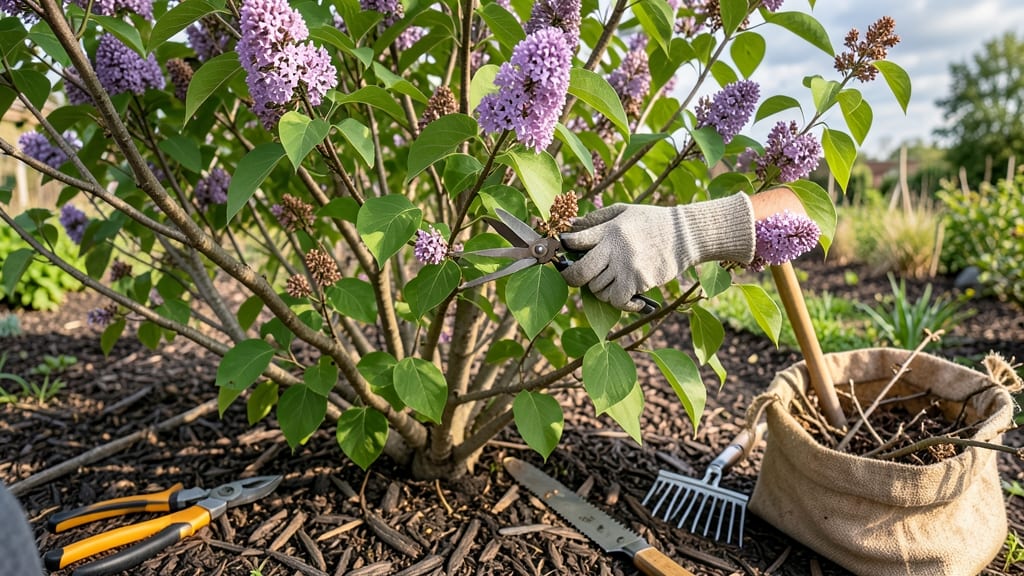
Pruning lilacs in late winter transforms them from scraggly shrubs into fragrant, bushier powerhouses. ✂️ I’ve watched my own bushes go from sparse blooms to overflowing clusters—all because I learned the right timing and cuts.
The secret isn’t harsh trimming; it’s strategic shaping that encourages new growth where you want it most.
Start with clean, sharp pruners and focus on removing last year’s flower stalks (those long, leafless branches) right where they meet the main stem. This might sound counterintuitive—after all, you’re cutting off the flowers—but it’s what makes next year’s blooms thicker and more abundant.
Aim to shape the bush into a rounded form, opening up the center to improve airflow and sunlight penetration.
📚 In This Guide
- What you need
- Instructions
- Tips and common mistakes
- Wrapping up and next steps
What you need
- ● Pruning shears or bypass pruners: Sharp, clean shears (4-6" blades) for clean cuts on smaller branches.
- ● Loppers: For thicker stems (1-2" diameter), opt for bypass loppers with a 6-8" blade.
- ● Hand pruners: A backup pair for precision work (avoid anvil pruners—they crush stems).
- ● Garden gloves: Heavy-duty, cut-resistant gloves (size medium or large) to protect hands from thorns.
- ○ Ladder (optional): A sturdy, 6-8 ft step ladder if your lilac is taller than 6 feet.
- ● Disposable pruning bags or bucket: To collect clippings (5+ gallon capacity recommended).
- ● Rubbing alcohol (70%+) or bleach solution: For sterilizing tools between cuts (1 part bleach to 9 parts water).
- ● Safety glasses: To shield eyes from debris (especially when working with loppers).
- ○ Pruning sealant (optional):strong> For sealing large cuts (if your lilac has a history of disease).
- ● Timing: Prune after blooming but before new growth hardens (late winter to early spring).
- ● Weather: Choose a dry, overcast day to avoid stressing the plant.
- ● Research: Identify your lilac’s age (young vs. mature) to adjust pruning intensity.
Step-by-step instructions for pruning lilacs
Here's the precise timing and technique I use every year—no guesswork, just reliable results.
⏰ Step 1: Prune Immediately After Blooming (But Not Before)
Lilacs bloom on last year's growth, so the best time to prune is right after flowering, typically in late May or early June. If you prune too early, you risk cutting off next year's blooms. Watch for when about 50% of flowers have dropped—this signals the plant has finished flowering for the season.
I always prune on a dry, sunny day to reduce stress on the plant and minimize disease risk. Avoid pruning after a rainy period, as wet conditions can spread fungal infections through fresh cuts. Use clean, sharp pruners to make 45-degree cuts just above a bud or branch junction, never leaving stubs.
✂️ Step 2: Remove Dead, Weak, or Crossing Branches First
Start by eliminating any dead, diseased, or damaged branches—these are easy to spot as they're brown, brittle, or lack leaves. Next, look for weak, thin branches that never seem to thicken or produce strong growth. These rarely contribute to the bush's structure or flower production.
Also remove any branches that cross or rub against each other. These create wounds where pests and diseases can enter. I like to step back every few cuts to visualize the plant's shape—this helps me decide which branches to keep for a balanced silhouette. Never remove more than one-third of the plant's total growth in a single year.
🌿 Step 3: Thin Out Overcrowded Centers and Encourage Airflow
Lilacs naturally grow in a rounded shape, but over time, their centers can become dense and shaded. Use pruners to remove older, woodier branches from the center, starting with the thickest stems. These branches rarely produce flowers and can harbor pests. Aim to open up the center so light and air can circulate freely.
I focus on creating an open vase shape—this ensures future blooms get enough sunlight. You'll know you're doing it right when you can see light filtering through the center of the bush. Avoid cutting back into the very center; instead, remove branches from the outside in to maintain the plant's natural form.
☀️ Step 4: Lightly Shape the Outer Growth for Bushier Blooms
After thinning, turn your attention to the outer branches. Lilacs respond well to light pruning—never cut back more than one-third of any branch's length. Look for branches that are growing too long or leggy and trim them back to a bud or side shoot. This encourages the plant to produce more side branches, which will bear flowers.
I like to step back and imagine the plant as a rounded dome. Cut just above an outward-facing bud to promote growth in the right direction. Avoid heavy pruning—lilacs bloom on old wood, so aggressive cuts reduce next year's flowers. If you're unsure, err on the side of caution and make smaller cuts.
💧 Step 5: Clean Up and Apply Post-Pruning Care
After pruning, collect all clippings and dispose of them in the trash—never compost lilac trimmings, as they can harbor fungal spores. Sterilize your pruners with rubbing alcohol or a 10% bleach solution to prevent spreading disease. Water the plant deeply to help it recover, especially if you've made significant cuts.
Apply a balanced, slow-release fertilizer around the base of the plant to support new growth. Lilacs don’t need heavy feeding, but a light application in early spring helps them bounce back after pruning. Mulch with 2-3 inches of organic mulch to retain moisture and suppress weeds, but keep it 6 inches away from the trunk to prevent rot.
Tips & tricks for perfect lilac pruning
Here's what I've learned over years of perfecting this technique—these details make all the difference for healthy, blooming lilacs.
Timing is Everything: The late May to early June window is critical because lilacs bloom on last year's wood. If you prune too early, you'll sacrifice next year's flowers. I mark my calendar for when about 50% of blooms have dropped—this is your exact cue to prune. Waiting until flowers have completely faded means you're too late for optimal results.
The 45-Degree Cut Technique: When making cuts in Step 1, the 45-degree angle isn't just about aesthetics—it's about directing water away from the branch junction. I always cut just above a bud or branch junction to encourage new growth in the right direction. Using dull pruners creates jagged cuts that invite disease, so I sharpen mine before every session with a file.
Visualizing the Vase Shape: In Step 3, when thinning the center, imagine you're creating an open vase rather than a dense ball. The goal is to see light filtering through when you step back. I find it helpful to sketch a simple vase shape on paper first—this gives me a clear reference for what to remove. Remember, you're not trying to create a topiary; you're encouraging airflow and sunlight penetration.
Post-Pruning Care Secrets: After finishing in Step 5, the cleanup isn't just about tidiness—it's about plant health. I always sterilize my pruners between cuts (especially when moving from diseased to healthy branches) and dispose of clippings in the trash, not compost. The 2-3 inches of mulch should be spread like a donut around the base, keeping it 6 inches from the trunk to prevent rot while still protecting roots.
Pro Tips for Prune Lilacs
- Here's what I've learned over years of perfecting this technique—these details make all the difference for healthy, blooming lilacs.
- Timing is Everything: The late May to early June window is critical because lilacs bloom on last year's wood.
- The 45-Degree Cut Technique: When making cuts in Step 1, the 45-degree angle isn't just about aesthetics—it's about directing water away from the branch junction.
Frequently asked questions
Got questions about pruning lilacs? You’re not alone! Here are answers to the most common concerns—so you can confidently shape your bushes for bold blooms and healthy growth.
When is the best time to prune lilacs?
Prune lilacs late winter or early spring (just before new growth starts) for best results. Avoid pruning in fall—it can stimulate tender growth that won’t survive winter. If you miss the window, wait until after blooming, but expect fewer flowers that season.
How much can I cut back without harming the plant?
Lilacs are tough! You can remove up to ⅓ of the plant’s height in one season, but avoid cutting into old wood (wood older than 3–4 years). Focus on shaping the bush and removing dead or crowded branches. Over-pruning won’t kill lilacs, but it may delay blooming.
What if my lilacs don’t bloom after pruning?
If your lilacs skip blooming, you likely pruned too late (after buds formed) or cut back old wood. Lilacs bloom on last year’s growth, so wait until next year to prune. For immediate blooms, avoid heavy pruning and focus on removing only dead or overcrowded branches.
Can I prune lilacs in summer?
Yes, but lightly! Summer pruning is best for shaping or removing spent flowers (deadheading) to encourage next year’s blooms. Avoid heavy cuts—lilacs need time to recover. If you must prune, do it after flowering to preserve energy for root growth.
How often should I prune lilacs?
Prune lilacs every 2–3 years to maintain shape and health. Annual light pruning (removing dead wood or crossing branches) is fine, but heavy pruning should be infrequent. Over-pruning yearly can weaken the plant and reduce flowering.
Wrapping up and next steps
Pruning lilacs in late winter isn’t just about tidying up—it’s your secret weapon for vibrant blooms and lush growth! By following these steps, you’ll encourage healthier bushes, prevent overcrowding, and enjoy those iconic fragrant blooms year after year. 🌸✨
Now that you’re armed with the know-how, grab those shears and get pruning! For even better results, mark your calendar to prune again in two to three years—consistency is key. Happy gardening!