
Pruning
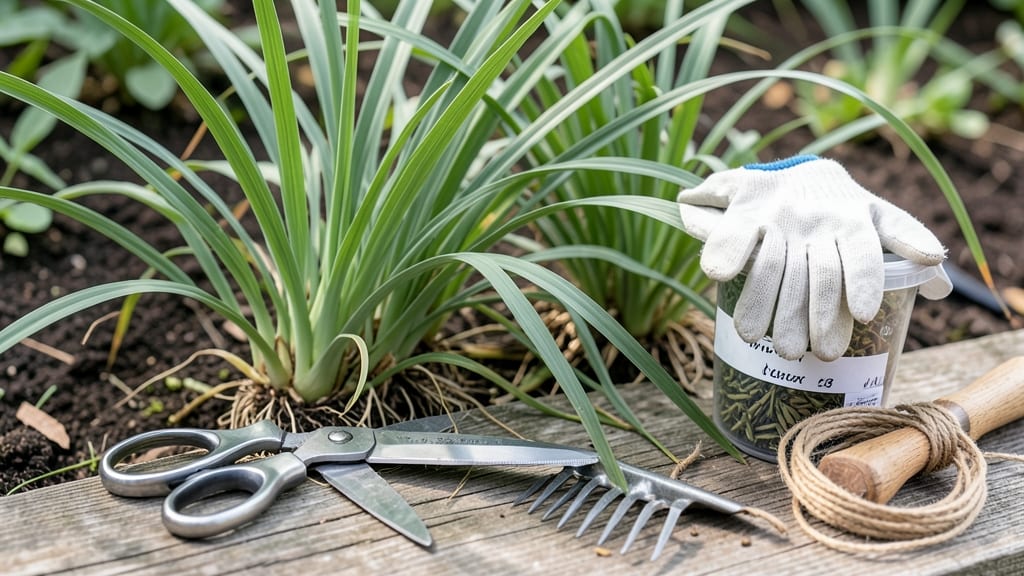
Pruning lemongrass before winter isn’t just about tidying up—it’s the secret to stronger regrowth next spring. 🌱 I’ve learned that skipping this step means weak stems, fewer harvests, and plants that struggle when temperatures drop. The right cuts now determine how well your lemongrass survives dormancy and bounces back.
Start by slicing off any brown or yellow leaves at the base, then trim the top growth by about one-third to encourage bushier growth.
If you’re in a frost-prone area, mulch the base with straw or shredded leaves to protect the roots—lemongrass isn’t perennial in cold climates, so winter prep matters more than you’d think. You’ll notice new green shoots within 2-3 weeks of pruning, and the plant will store energy for spring.
Water less frequently in winter, letting the soil dry slightly between waterings unless you’re in a tropical zone where lemongrass stays active year-round. For those in warmer areas, pruning still helps remove dead growth, but focus on keeping the plant healthy rather than prepping for dormancy.
Either way, a little effort now means a more productive harvest come spring.
📚 In This Guide
- What you need
- Instructions
- Tips and common mistakes
- Wrapping up and next steps
What you need
- ● Sharp pruning shears or hand pruners – Choose bypass pruners (not anvil-type) for clean cuts. Look for 5-inch blades for precision.
- ● Disinfectant (70% isopropyl alcohol or bleach solution) – 1 part bleach to 9 parts water (for sterilizing tools).
- ● Gloves (cut-resistant or gardening gloves) – Protects hands from sharp blades and potential irritants.
- ● Garden twine or rubber bands – For bundling pruned stalks if composting or repurposing.
- ● Compost bin or yard waste bag – To dispose of pruned stems (avoid composting if diseased).
- ● Watering can or hose – For post-pruning hydration (1–2 gallons per plant).
- ● Pruning saw (for thick stalks) – If your lemongrass stems exceed ½-inch diameter.
- ● Plant food (balanced fertilizer, 10-10-10 ratio) – Apply 1 tbsp per plant after pruning for a nutrient boost.
- ● Mulch (straw or shredded leaves) – Spread 2–3 inches around the base to insulate roots.
- ● Labeling tags – If pruning multiple varieties, mark plants to avoid confusion.
Step-by-Step instructions for pruning lemongrass for winter
Winter pruning is your chance to refresh lemongrass and set it up for vigorous spring growth.
✂️ Step 1: Wait for the Right Time
Prune when temperatures consistently drop below 50°F at night but before hard frost hits. This usually means late fall in most climates. Look for signs like browned leaves or slower growth—the plant is naturally slowing down for dormancy. If you prune too early, you'll encourage new growth that won't survive winter.
I always check the forecast for a 2-3 day stretch of mild weather before pruning. This gives the plant time to recover before cold snaps arrive. Avoid pruning after the first frost, as cold-damaged stems won't regrow properly.
✂️ Step 2: Cut Back Dead or Damaged Growth
Use clean, sharp pruners to remove any brown, yellow, or mushy stems first. These are already dead or dying and won't regrow. I cut back to healthy green tissue—about ½ inch above where the stem turns brown. This prevents disease from spreading to the healthy parts of the plant.
Don't worry about being too aggressive here. Lemongrass is resilient, and removing dead material helps the plant focus its energy on surviving winter. If you're unsure whether a stem is dead, gently scratch it with your fingernail—if it's soft and mushy, it's time to cut it.
✂️ Step 3: Trim the Clumps to Encourage New Growth
Now focus on the healthy green stems. Cut back ⅓ of the plant's height, leaving 6-8 inches of growth above the base. This encourages thicker, bushier regrowth in spring. I always make clean cuts at a 45-degree angle, about ¼ inch above a leaf node or joint.
If your lemongrass has multiple stalks, thin them out to 3-4 of the strongest stems. This prevents overcrowding and helps the plant direct energy to fewer, healthier shoots. Remove any weak or spindly stalks completely—they won't recover well.
🪴 Step 4: Clean Up and Protect the Base
After pruning, remove all cuttings and debris from the area. This prevents pests and diseases from lingering over winter. I like to spread a 2-3 inch layer of mulch around the base—use straw, pine needles, or shredded leaves to insulate the roots.
If you're in a colder climate (below 20°F), consider wrapping the base with burlap or frost cloth for extra protection. Lemongrass is tropical, so even a little extra insulation helps it survive dormancy. Water the base lightly after pruning to help the plant recover before winter sets in.
⏰ Step 5: Monitor and Prepare for Spring
Check your lemongrass every 2-3 weeks through winter for new growth or signs of frost damage. If you see brown edges on remaining leaves, they're likely just dormant—don't prune again until spring. The goal now is to let the plant rest.
In early spring, when you see new green shoots emerging, that's your signal to prune again lightly. Cut back any dead growth and thin out the stalks to encourage fresh, vigorous growth. With proper winter pruning, your lemongrass will bounce back stronger than ever.
Tips & tricks for pruning lemongrass in winter
Don't let winter catch your lemongrass off guard—these key strategies will help you prep it for a stronger spring comeback.
Timing is Everything: The 50°F nighttime temperature threshold is your golden window. I've learned the hard way that pruning too early can trick the plant into growing before winter sets in—look for those browned leaf tips as your signal. Also, that 2-3 day stretch of mild weather forecast check is non-negotiable. I once pruned right before a sudden freeze, and my lemongrass spent all winter looking sad. Trust me, the weather app is your friend here.
Tool Prep Matters: Before you even touch your lemongrass, take 5 minutes to clean and sharpen your pruners. Dull blades crush stems instead of making clean cuts, which can damage the plant and invite disease. I keep a small bottle of rubbing alcohol handy to wipe down my tools between cuts—it prevents cross-contamination between healthy and damaged parts of the plant.
Visual Cues for Healthy Cuts: When cutting back to healthy green tissue in Step 2, look for stems that snap cleanly rather than tearing. The ½ inch above brown-to-green transition is your target—this is where new growth will emerge. For the 45-degree angle cuts in Step 3, imagine slicing a pizza diagonally. This angle helps water run off the leaves, reducing rot risk during winter's damp periods.
Mulch Magic: That 2-3 inch layer of mulch isn't just decoration—it's insulation. I've found that straw works best because it breaks down slowly and adds organic matter to the soil. For extra protection in freezing climates (20°F or below), I double up with a layer of pine needles on top of the straw. This creates a microclimate that keeps the roots warmer than the surrounding air temperature.
Pro Tips for Prune Lemongrass For Winter
- Don't let winter catch your lemongrass off guard—these key strategies will help you prep it for a stronger spring comeback.
- Timing is Everything: The 50°F nighttime temperature threshold is your golden window.
- Tool Prep Matters: Before you even touch your lemongrass, take 5 minutes to clean and sharpen your pruners.
Frequently asked questions
Got questions about winterizing your lemongrass? Here are some of the most common concerns—and practical answers—to help you keep your plants thriving through the colder months.
When is the best time to prune lemongrass before winter?
Prune your lemongrass before the first frost hits—typically in late fall (October to November in most U.S. zones). This gives the plant time to recover and store energy for regrowth in spring. Avoid pruning too late, as cold damage can weaken the plant before it has a chance to heal.
What if I miss the fall pruning window? Can I still prune in winter?
Yes, but with caution! If frost has already damaged your lemongrass, trim only the dead or brown stalks to prevent disease. Avoid heavy pruning—focus on cleanup and mulching instead. Wait until early spring (when new growth appears) for a full pruning session.
How much should I cut back? Will pruning too hard kill my lemongrass?
Cut back about 1/3 to 1/2 of the plant’s height, leaving at least 6–8 inches of stalks. Over-pruning can stress the plant, but lemongrass is resilient—just avoid removing all the foliage. If you’re unsure, err on the side of leaving more growth to ensure survival.
Can I prune lemongrass indoors if I bring it inside for winter?
If you’re overwintering lemongrass indoors, prune it before moving it inside to reduce stress. Trim any yellow or damaged leaves, and give it a bright, sunny spot. Just avoid overwatering—lemongrass prefers drier conditions indoors.
What should I do if my lemongrass turns brown after pruning?
Brown tips or stalks after pruning are usually normal, especially in cold weather. If the entire plant looks crispy, it may be frost damage. Trim the dead parts, mulch heavily, and protect it with a frost cloth. If the base is still green, new growth should return in spring!
Wrapping up and next steps
Pruning lemongrass for winter isn’t just about tidying up—it’s your plant’s secret to bouncing back stronger!
By cutting back dead leaves, trimming brown stalks, and protecting the base, you’re setting the stage for vibrant regrowth when spring arrives. 🌱 With the right tools and techniques, even winter’s chill can’t stop your lemongrass from thriving.
Now that you’re armed with the know-how, grab those shears and give your plant some love! Next, check out our guide on how to mulch lemongrass for extra winter protection—your plant will thank you with lush, healthy growth come spring!