
Pruning
Spring pruning is essential for healthy plants, but some mistakes can harm your garden for years. These ten plants require special caution—pruning them wrong can stunt growth, invite pests, or even kill them. Learn what to avoid this season.
Hydrangeas Pruned After Flowering Season
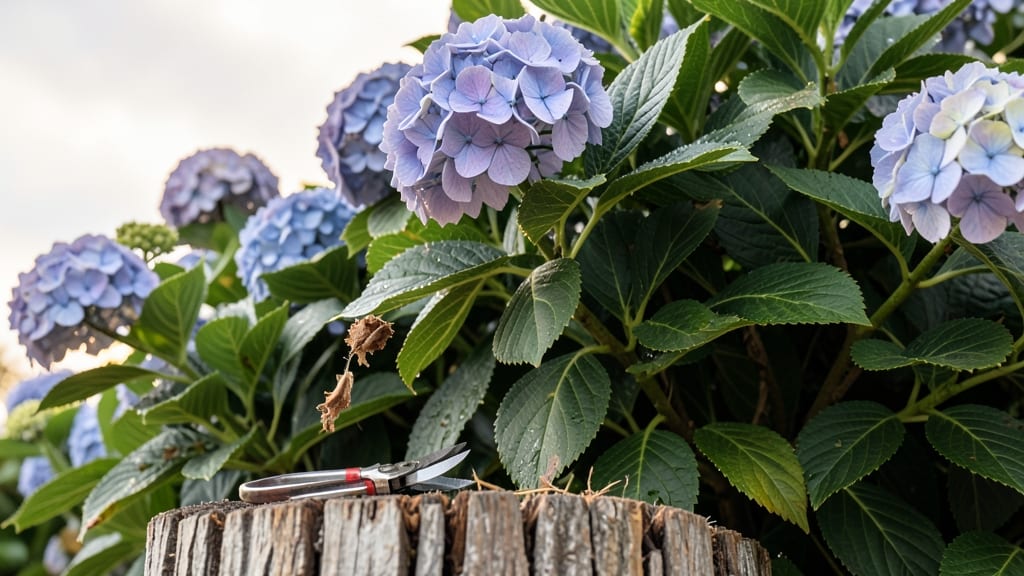
Your hydrangeas might look perfect now, but pruning them after they bloom could mean saying goodbye to next year’s flowers—especially for varieties like 'Endless Summer'. This common mistake happens when gardeners wait until fall or winter to trim, not realizing that seasonal bloomers set buds on old wood.
For bigleaf hydrangeas (like 'Annabelle' or 'Nikko Blue'), prune right after flowering—between July and September—to shape the plant without sacrificing next year’s blooms. Remove only 1/3 of the oldest stems at the base to encourage new growth. If you prune too late, you’ll be left with sparse foliage and no flowers the following season.
This timing rule applies to most seasonal hydrangeas, making it a must-know for gardeners who love bold summer blooms. A little patience now means a fuller, more vibrant display next year! 🌻
Roses Cut Back Too Late
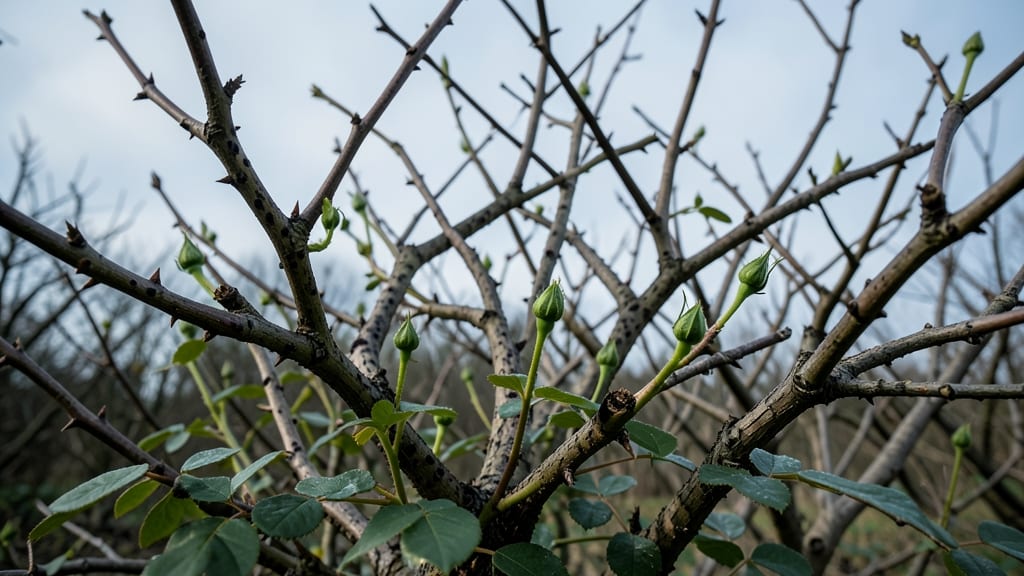
If your roses are putting out fresh green shoots but you still haven’t pruned them, resist the urge—delaying too long has serious consequences. Waiting until after new growth appears forces the plant to develop weak canes, which struggle to support blooms and become prime targets for fungal diseases like black spot.
Ideal pruning happens in late winter or early spring, before buds swell but after the worst frosts pass. Cut back to an outward-facing bud at a 45-degree angle to encourage strong, disease-resistant growth. Avoid heavy pruning after mid-spring, as this disrupts the plant’s energy balance and reduces flowering potential by up to 50%.
Roses are a high-maintenance reward—proper timing ensures vibrant blooms and fewer pest problems. Beginners especially benefit from marking pruning dates on their calendar to avoid this costly mistake. 🌻
Olive Trees Pruned During Active Growth
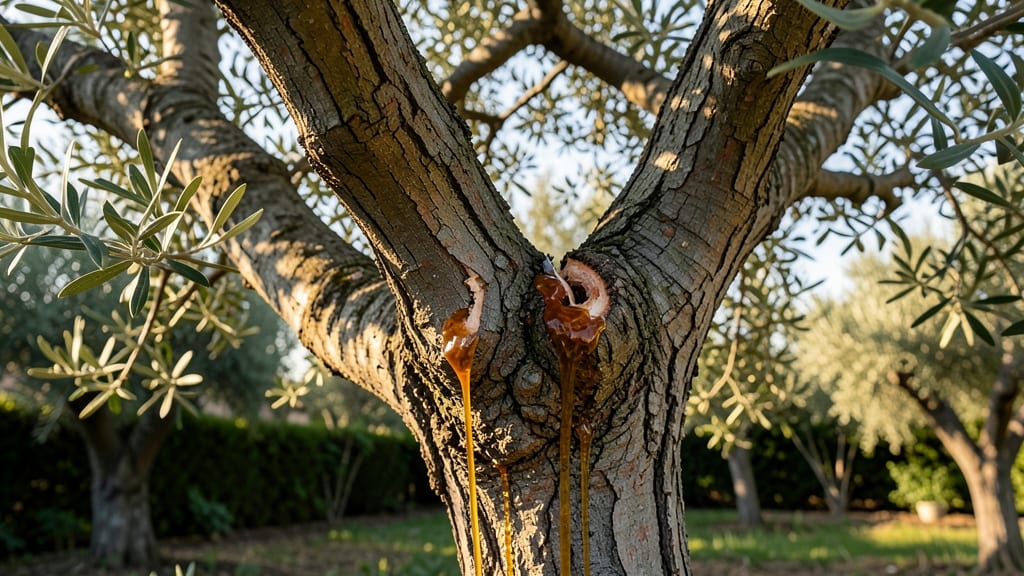
If you’ve ever pruned an olive tree in spring and noticed sticky sap oozing from the cuts, you’ve already made a costly mistake. Olive trees (Olea europaea) are particularly sensitive to pruning during their active growth phase, as cutting branches triggers excessive sap bleeding that weakens the tree and invites bacterial infections.
To avoid stressing your tree, wait until late summer—after the majority of new growth has hardened off—before pruning. This timing minimizes sap loss and reduces the risk of silver leaf disease, a fungal infection that can kill branches. When you do prune, use sterilized tools and make clean cuts just outside the branch collar to promote faster healing.
This approach is ideal for home gardeners with mature olive trees or those in Mediterranean climates where these trees thrive. 🌱
Lavender Sheared Like a Hedge
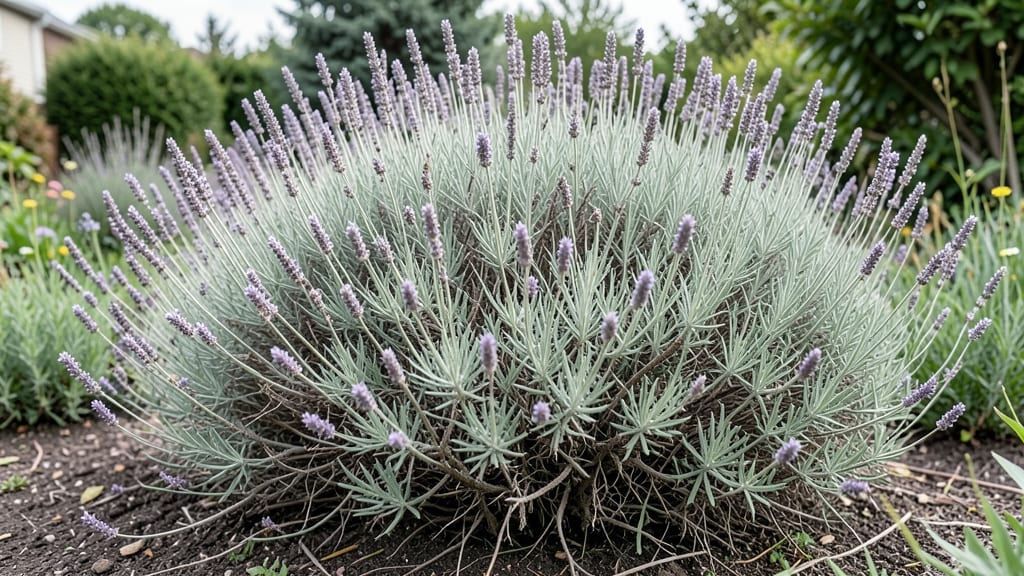
If your lavender looks more like a shrubbery than a fragrant border, you might be overdoing the pruning. Unlike formal hedges, lavender thrives on minimal trimming—and aggressive shearing can turn its woody stems into a fragrant-free disappointment.
Focus on removing only dead or leggy stems in late winter or early spring, never cutting more than one-third of the plant at once. Avoid shearing into dense foliage, as this encourages woody growth and weakens the plant’s ability to produce its signature scent. For best results, use sharp pruners to make clean cuts just above a leaf node.
This gentle approach keeps lavender lush, fragrant, and productive for years—perfect for gardeners who want low-maintenance beauty with high rewards. 🌿
Azaleas Cut Back Hard
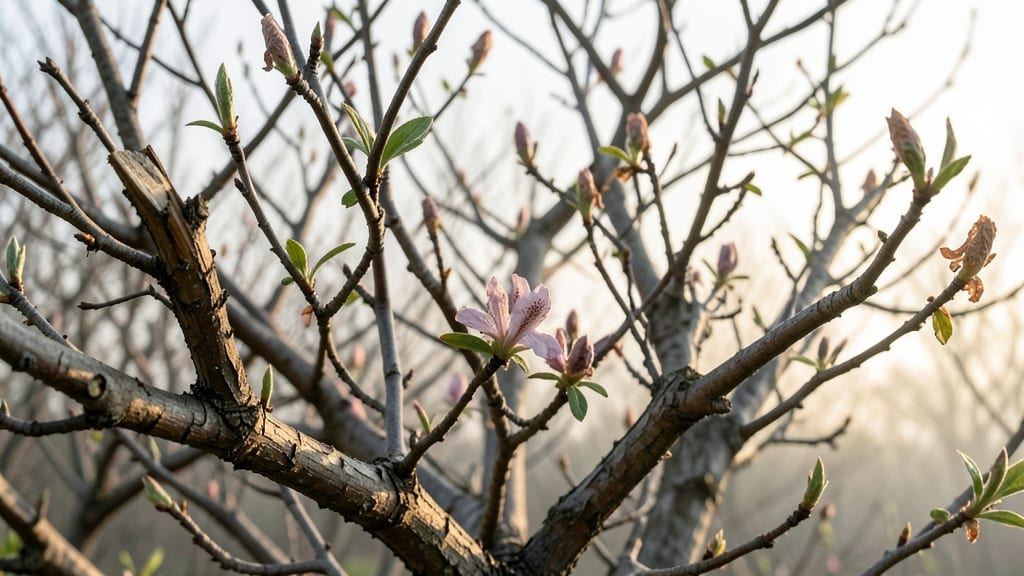
If your azaleas are looking sparse after pruning, you might have made a common spring mistake—cutting back too aggressively. Unlike many shrubs, azaleas bloom on old wood, meaning last year’s growth holds next season’s flowers.
When you prune hard in spring, you’re removing the very branches that will produce your showy spring blooms. Instead, focus on light shaping after flowering or remove only dead or crossing branches. For best results, prune azaleas immediately after their spring bloom fades, but never more than 1/3 of the plant at a time.
This tip is perfect for gardeners who love vibrant spring color—azaleas reward patience with stunning displays year after year when pruned correctly. 🌷
Fruit Trees Pruned Without Knowing Variety
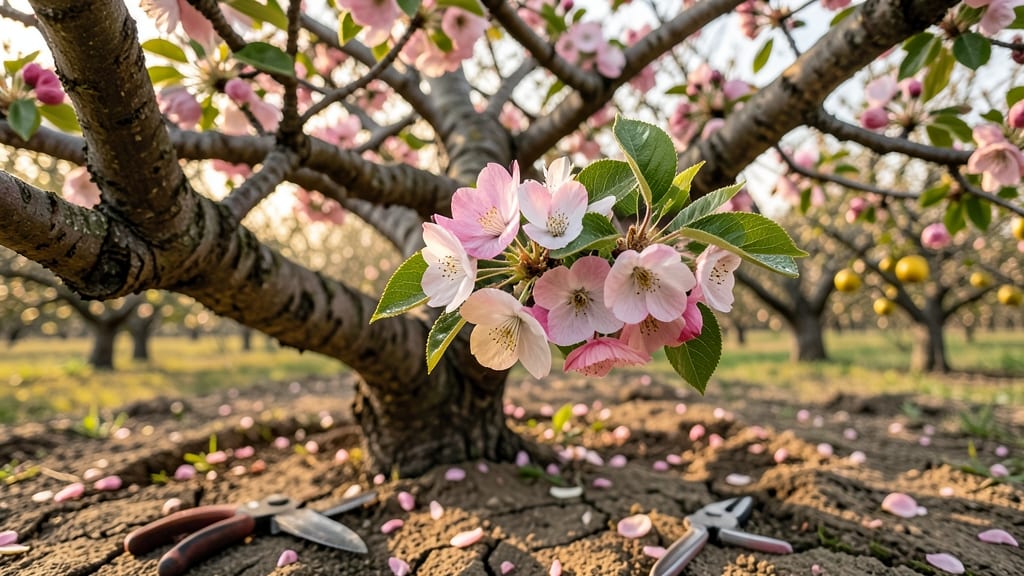
If your fruit trees are already bearing blossoms in early spring, stop pruning immediately—you might be accidentally sabotaging next year’s harvest. Stone fruits like peaches and cherries bloom on old wood, while citrus and some apples rely on new growth, making timing everything.
For stone fruits, prune only after harvest (late summer/early fall) to avoid removing flower buds that form the year before. Citrus, however, should be pruned in late winter to encourage new growth. Wrong timing invites borers and weakens fruit production. Always check your tree’s variety before reaching for the shears!
Home orchard owners and small-scale fruit growers will benefit most from this rule—it’s the difference between a bountiful harvest and a tree struggling to recover. 🌟
Boxwoods Sheared Too Early
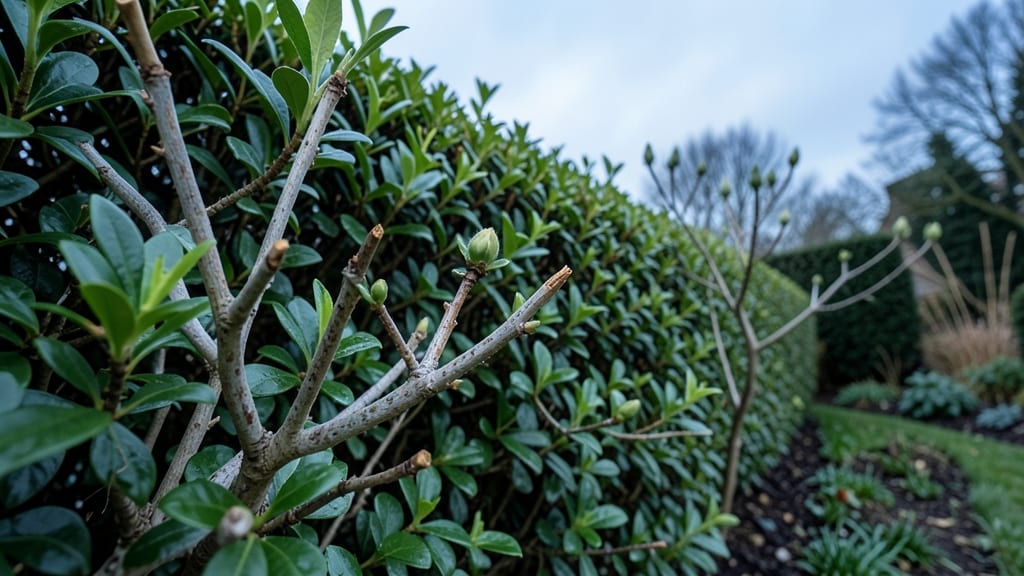
Your boxwoods might look perfect year-round, but pruning them too early in spring can turn your hedge into a fungal magnet. Box blight thrives in fresh cuts, and shearing before buds swell leaves plants vulnerable to this destructive disease.
Wait until you see buds swelling—usually in late spring—before trimming. Use clean, sharp shears and avoid cutting into old wood, which is more susceptible to infection. A light shaping trim (never more than 1/3 of the plant) keeps boxwoods dense and disease-resistant.
This timing tip is especially critical for formal hedges and topiaries, where health and appearance matter most. A little patience now prevents years of struggling with blight. 🌿
Clematis Pruned Without Identifying Group
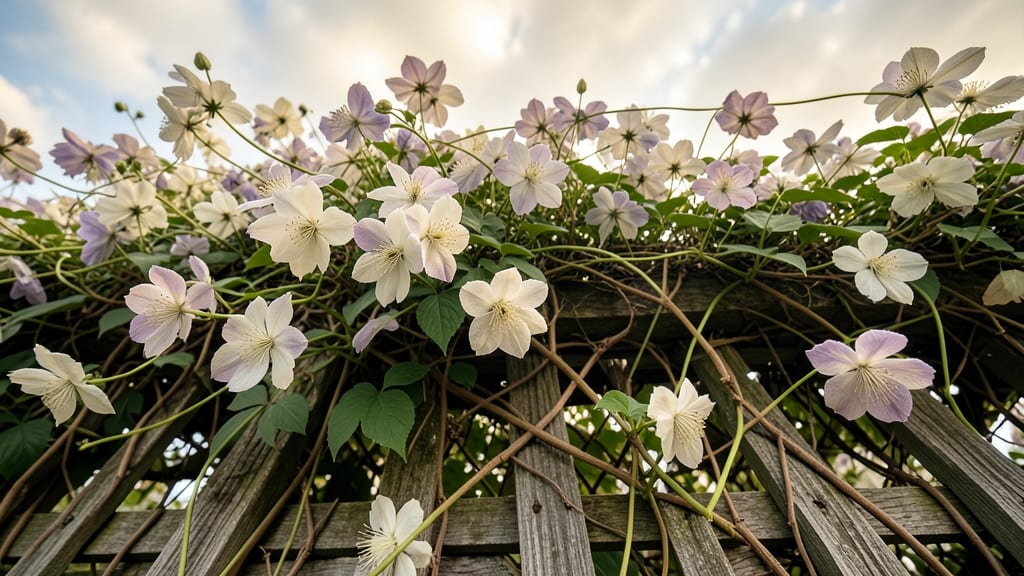
If your clematis vine is blanketed in spring blooms, resist the urge to prune—this could be a Group 1 variety, where cutting back removes all flowers for the season. Unlike later-blooming groups, these early stars rely on last year’s growth to produce their showstopping displays.
Group 1 clematis (like 'Jackmanii' or 'Niobe') should only be lightly tidied up by removing dead or crossing stems after flowering. Wait until late summer or early autumn to prune back by about a third to encourage next year’s blooms. Even a small trim now can mean no flowers until the following spring.
This rule is a lifesaver for cottage gardeners and trellis lovers—skipping the spring prune ensures your clematis delivers its signature drama year after year. 🌷
Grass Pruned Too Short in Spring
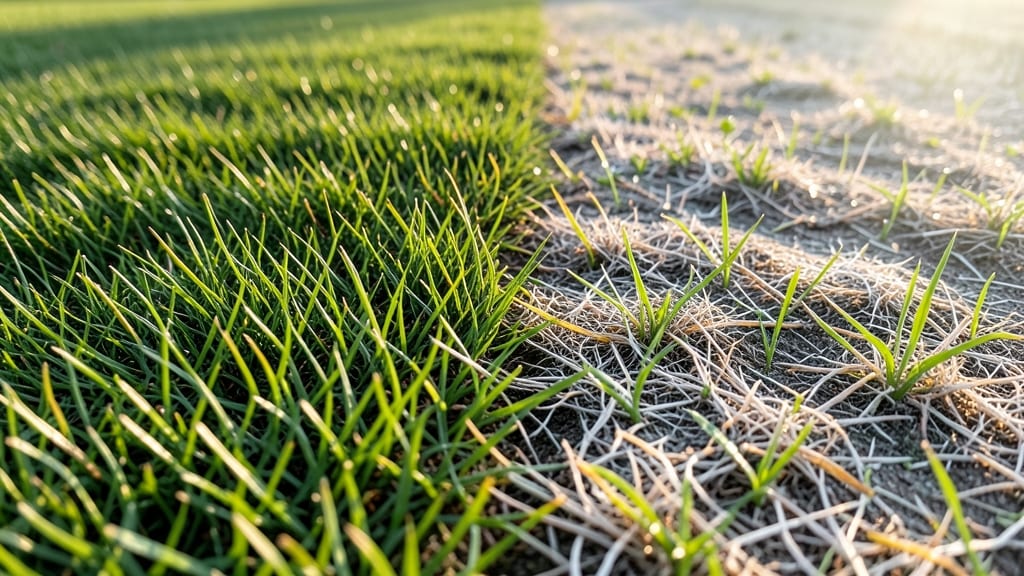
Your eager spring lawn maintenance might backfire if you scalp your grass too short—this common mistake stresses roots and leaves your yard vulnerable to weeds and disease. The 1/3 rule is your best defense: never remove more than one-third of the grass blade height at a time, especially in early spring when growth is just waking up.
Early-season grass is still building energy reserves to survive summer heat. Cutting it too short forces the plant to divert resources to recovery instead of root development, creating thin patches where weeds like crabgrass thrive. For most cool-season grasses, aim to keep blades around 3-4 inches tall—this length provides shade to soil, retains moisture, and promotes deeper root systems.
Homeowners with new lawns or drought-prone areas benefit most from this approach, as proper mowing builds resilience against heat and foot traffic. A well-timed mower adjustment now saves hours of lawn repair later. 💪
Ornamental Grasses Cut to Ground Level

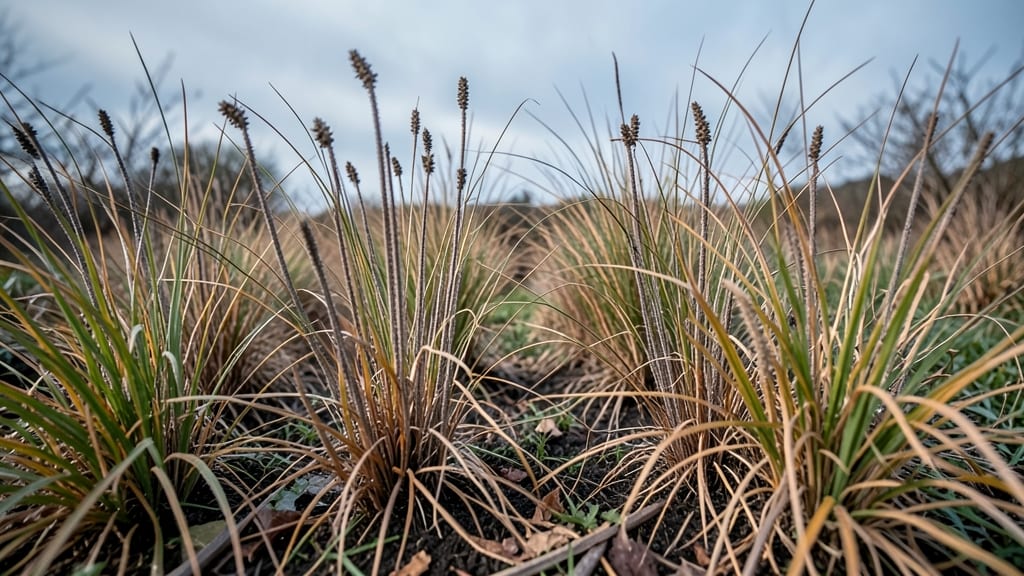
If your ornamental grasses look like they’ve lost their winter charm, you might be over-pruning. Fountain grass, maiden grass, and other varieties rely on their seed heads for year-round texture and movement—shearing them to the ground removes their signature beauty entirely.
Instead of cutting to the ground, trim only the old, brown foliage in late winter or early spring, leaving the seed heads intact. For new growth, wait until late spring or early summer when the plant has established itself. This preserves their architectural form and provides winter interest when other plants have gone dormant.
This tip is perfect for gardeners who love low-maintenance, textural plants—especially those designing winter gardens or using grasses as focal points. Keep those plumes standing tall! 🌻