
Pruning
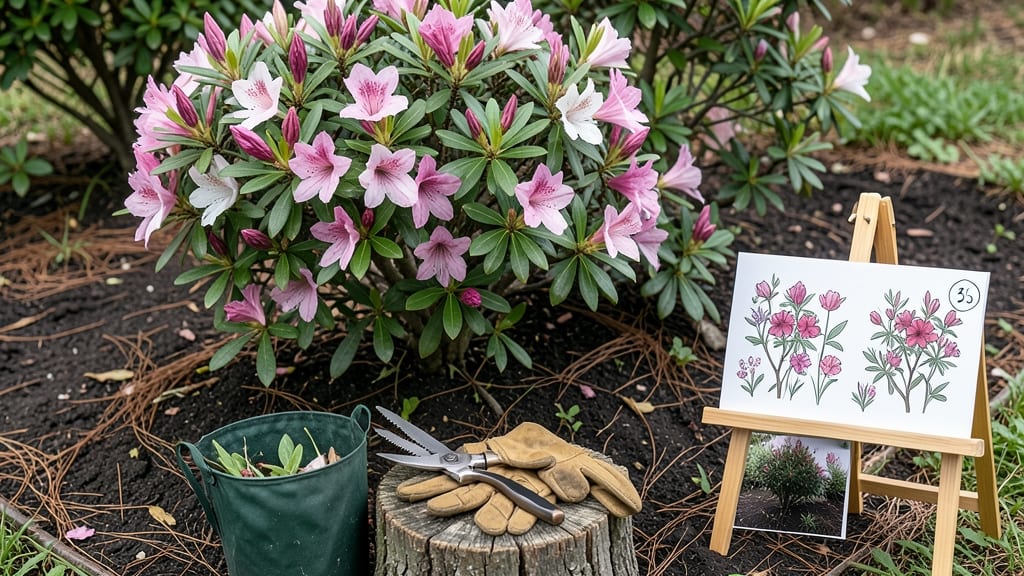
Your azaleas might still bloom this year, but pruning them after mid-June risks next season’s showstopper flowers. 🌸 I’ve watched azaleas go from lush and full to leggy and sparse after late pruning, and the fix starts with knowing exactly when to stop cutting.
The ideal window is right after blooming but before mid-summer—any later, and you’re pruning away next year’s buds.
Here’s the deal: azaleas bloom on old wood, meaning their flowers form on last year’s growth. If you prune too late, you’re snipping off next year’s potential blooms before they even appear.
In warmer climates (zones 7-9), aim to finish by early July; cooler zones (5-6) can stretch until early August—but don’t push it. A sharp pair of pruners and a clear morning are all you need to get started.
What you’ll end up with is a bush that stays compact, produces more flowers, and resists pests better. Prune just above a bud or leaf, making cuts at a 45-degree angle to prevent water from pooling.
Afterward, give your azaleas a slow drink of water and a light layer of mulch to help them recover. The result? A bush that looks like it belongs in a botanical garden, not just your backyard.
If you’ve already pruned late, don’t panic—just focus on keeping the plant healthy this year. Next spring, you’ll have a fresh start to prune at the perfect time. And trust me, the difference in blooms between a well-timed prune and a late one is like night and day.
📚 In This Guide
- What you need
- Instructions
- Tips and common mistakes
- Wrapping up and next steps
What you need
- ● Bypass pruners – Sharp, clean bypass pruners (4- to 6-inch blades) for precise cuts on smaller stems. (1 pair)
- ● Loppers – Heavy-duty loppers (8-inch blades) for thicker branches (½-inch diameter or larger). (1 pair)
- ● Hand saw – A pruning saw with a fine-tooth blade for stubborn, woody stems. (1)
- ● Garden gloves – Thick, cut-resistant gloves to protect your hands from thorns and sap. (1 pair)
- ● Disinfectant – Rubbing alcohol (70%+) or a pruning sealant to sterilize tools between cuts and prevent disease spread.
- ● Ladder – A sturdy, lightweight step ladder (6-8 feet) for reaching higher branches safely.
- ● Pruning shears – For delicate trimming of small stems or deadheading spent blooms. (1 pair)
- ● Mulch – Pine straw or shredded bark mulch (3-4 inches) to replenish after pruning and retain moisture.
- ● Trash bags – Heavy-duty bags (20-30 gallon) for collecting pruned branches and debris.
- ● Safety goggles – To shield your eyes from flying debris or sap splatters.
- ● Choose the right time: Prune azaleas after flowering (late spring to early summer) for best results, but you can still do light shaping in fall or winter if needed.
- ● Check the weather: Pick a dry, overcast day to avoid stressing the plant. Avoid pruning in extreme heat or cold.
- ● Assess the plant: Scan for dead, diseased, or crossing branches first—these take priority over shaping.
Step-by-Step guide: pruning azaleas for spring success
Here’s how to give your azaleas a fresh start—even if you missed the ideal timing.
✂️ Step 1: Assess the Current Growth
Start by inspecting your azalea bushes for dead, diseased, or crossing branches. Dead branches snap easily when bent, while healthy ones bend slightly. Look for brown, mushy stems or black spots—these need removal to prevent spreading issues. I always grab a small pair of pruning shears and trim any branches rubbing against others, as this creates wounds where pests can enter.
Focus on the outer third of the plant first. Azaleas bloom on old wood, so avoid cutting back into the center unless you see dead growth there. You’ll want to keep the bush’s natural shape while opening it up to better air circulation. Real talk: if you see more than 20% dead wood, it’s time for a more aggressive clean-up.
✂️ Step 2: Make the Right Cuts
Use clean, sharp pruning shears to make cuts just above a leaf bud or side branch. Angle the cut slightly downward to prevent water from pooling on the wound. For dead branches, cut back to the nearest healthy growth. I like to make my cuts at a 45-degree angle about ¼ inch above a bud—this encourages new growth in the right direction.
Never cut more than one-third of the plant’s total growth at once, even if it looks overgrown. Azaleas are sensitive to drastic pruning, and you’ll risk shocking the plant. If you’re unsure, take a photo first—you can always remove more later if needed. Watch for new green shoots emerging after pruning; these are your signal that the plant is responding well.
✂️ Step 3: Shape for Better Airflow and Light
Step back and visualize the bush’s natural shape. Azaleas thrive when they get morning sun and afternoon shade, so prune to keep the outer branches fuller. Thin out crowded areas by removing every other branch in tight clusters. This opens the canopy, reducing humidity and fungal risks. I usually start at the bottom and work my way up, so I don’t accidentally cut off new growth hiding beneath.
If your azalea has leggy growth, cut back the longest stems by one-third to encourage bushier growth next season. You’ll see new shoots forming at the base of the cut within 4-6 weeks. Avoid pruning in extreme heat or cold—mild, overcast days are ideal for stress-free trimming.
💧 Step 4: Post-Pruning Care
Water the azalea deeply after pruning to help it recover. The roots need moisture to support new growth, especially if you’ve removed a lot of foliage. I like to add a slow-release fertilizer around the base to give the plant a nutrient boost. Avoid heavy fertilizers right after pruning—they can burn tender new shoots. Instead, wait 2-3 weeks before feeding.
Keep an eye out for new buds forming along the stems. These are your promise of next year’s blooms! Mulch around the base with 2-3 inches of organic mulch to retain moisture and protect roots. If you notice any yellowing leaves or wilting, it’s a sign of stress—reduce watering slightly and give the plant time to adjust.
Tips & tricks for perfect azalea pruning
Even if you missed the ideal timing, these practical tips will help you revive your azaleas for next season’s best blooms.
Tool Prep: Before you start, disinfect your pruning shears with rubbing alcohol—this prevents spreading disease from branch to branch. I learned this the hard way after my azaleas developed mysterious spots after pruning. Also, sharpen your blades so cuts are clean, not jagged. A dull blade crushes stems instead of making precise cuts, which stresses the plant.
Visual Cues for Healthy Growth: In Step 1, when assessing branches, look for the "thumb test"—healthy branches should bend slightly without snapping. If a branch feels mushy or has blackened spots, it’s time to remove it completely. For leggy growth in Step 3, focus on cutting back the longest stems by one-third—this encourages bushier growth, but only do this if you see new green shoots emerging within 4-6 weeks as a sign the plant is responding well.
Timing Secret: The instructions mention mild, overcast days are ideal for pruning, but if you must prune in hot weather, do it in the early morning or late evening to reduce stress on the plant. After pruning, water deeply right away—this helps the plant recover faster. I’ve found that adding a thick layer of organic mulch (2-3 inches) right after watering helps retain moisture and protects roots from temperature swings.
Post-Pruning Care: Don’t rush to fertilize! Wait those full 2-3 weeks before applying slow-release fertilizer, as new shoots are tender and can burn easily. I’ve seen azaleas wilt dramatically when fertilized too soon after pruning. Instead, focus on keeping the soil consistently moist and watch for those new buds forming—they’re your sign that next season’s blooms are already on their way.
Pro Tips for Is It Too Late To Prune Azaleas
- Even if you missed the ideal timing, these practical tips will help you revive your azaleas for next season’s best bl...
- Tool Prep: Before you start, disinfect your pruning shears with rubbing alcohol—this prevents spreading disease from ...
- Visual Cues for Healthy Growth: In Step 1, when assessing branches, look for the "thumb test"—healthy branches should...
Frequently asked questions
about pruning azaleas—because timing can make or break your blooms! Here’s what you really need to know:Can I prune azaleas after they’ve already bloomed?
Yes! The best time to prune azaleas is right after flowering (late spring to early summer). This gives them time to set buds for next year’s blooms. Avoid heavy cuts now—just shape lightly to keep the plant tidy.
What if I missed the ideal pruning window?
Don’t panic! Light pruning (removing only dead or crossing branches) can still be done in early fall. Avoid major cuts now—it may reduce next year’s flowers. Pro tip: Focus on thinning out dense areas to improve airflow.
Will pruning too late hurt my azaleas?
Pruning too late (fall/winter) can stimulate new growth that won’t harden off before frost, risking damage. If you must prune later, stick to minimal shaping—never more than 10-15% of the plant. Wait until spring for full pruning.
Can I still prune azaleas in late summer?
Late summer pruning is risky but possible if you’re gentle. Focus on removing only spent blooms and stray branches—avoid heavy cuts. New growth from late pruning may not mature enough for winter.
What’s the best way to revive an over-pruned azalea?
If your azalea looks sad after over-pruning, don’t cut more! Instead, fertilize lightly with acid-loving plant food, water deeply, and protect from harsh sun. New growth will return—just be patient.
Wrapping up and next steps
Don’t let uncertainty hold you back—it’s never too late to prune azaleas, but timing matters most for vibrant blooms next spring! 🌸 Whether you’re tidying up after winter or prepping for peak growth, focus on healthy cuts and seasonal care to keep your shrubs thriving.
Start by assessing your azaleas, then grab your tools and follow the steps with confidence.
Ready to transform your garden? Mark your calendar for late spring or early summer—the ideal window for pruning—and watch your azaleas reward you with lush foliage and stunning flowers. Happy pruning! ✂️🌿