
Pruning
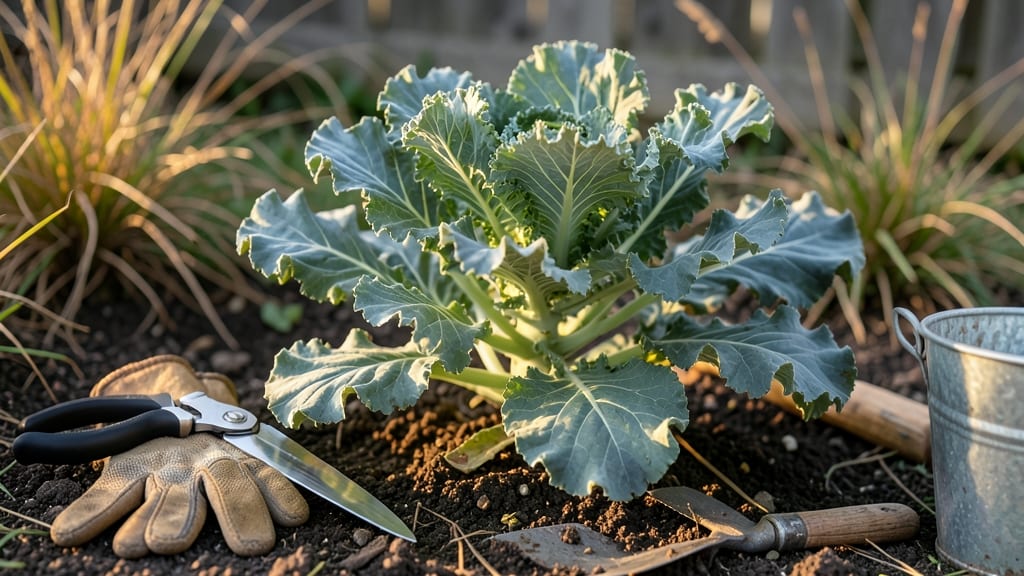
Pruning kale isn’t just about harvesting—it’s the secret to year-round harvests that keep your plants lush and productive. 🌱 I’ve learned the hard way that skipping this step means tougher leaves, fewer cuttings, and plants that bolt faster.
The right cuts encourage regrowth, deter pests, and keep your kale tasting sweeter longer.
You’ll need sharp scissors or pruning shears, a clean cutting board, and about 10 minutes per plant. The key move? Snip outer leaves 1-2 inches from the base, leaving the inner leaves intact.
This triggers new growth while keeping your plant healthy—no complicated techniques, just consistent care. Even beginners can master this in a single season.
By following this method, you’ll harvest 20-30% more leaves per plant and extend your growing season by 4-6 weeks. The leaves stay tender, the flavor improves, and you’ll spend less time struggling with tough, bitter stalks. Plus, proper pruning keeps pests like aphids at bay by improving airflow.
Works for both spring and fall plantings, whether you’re growing in containers or garden beds. The same principles apply—just adjust timing for your climate. Ready to transform your kale game?
📚 In This Guide
- What you need
- Instructions
- Tips and common mistakes
- Wrapping up and next steps
What you need
- ● Sharp pruning shears or scissors – Choose bypass pruners (8-10" blade) for clean cuts without crushing stems.
- ○ Gloves (optional but recommended) – Garden gloves (nitrile-coated for durability) to protect hands from thorns and rough edges.
- ● Disinfectant (70% isopropyl alcohol or bleach solution) – 1 part bleach to 9 parts water to sterilize tools between cuts.
- ● Bucket or container for clippings – A 5-gallon bucket works great for composting or repurposing.
- ● Watering can or hose – For post-pruning hydration (1-2 gallons per plant).
- ○ Sturdy pruning saw (optional for thick stems) – Only needed if stems exceed 1" in diameter.
- ● Hand pruners with a built-in bottle opener – For post-gardening celebrations (because you deserve it!).
- ● Knee pad or small stool – For comfort if pruning low-growing varieties.
- ● Labeling tags – To mark pruned plants if tracking varieties.
- ● Compost bin or bag – For easy disposal of healthy clippings.
Step-by-Step guide to pruning kale for continuous harvests
Pruning kale isn't just about keeping plants tidy—it's how you unlock bigger leaves, longer harvests, and healthier plants all season long.
✂️ Step 1: Identify the Right Time to Prune
Prune kale when it reaches 8-12 inches tall, or when the outer leaves grow 6-8 inches wide. This is the plant's natural signal to focus energy on new growth rather than just bulking up. I always check for firm, deep green leaves—any yellowing or wilted leaves get removed first, as they indicate stress or disease.
Timing matters most in early spring or late summer when kale grows fastest. Avoid pruning during extreme heat or cold—plants need at least 55-70°F to recover quickly. You'll know you've pruned at the right time when new leaves begin emerging within 3-5 days of cutting.
✂️ Step 2: Use the Right Pruning Technique
Use clean, sharp pruning shears or your fingers to pinch off the outer leaves just above a set of healthy leaves or side shoots. Never cut into the main stem—this is where the plant's energy flows. I like to leave 3-4 inches of stem attached to each leaf to encourage regrowth.
For larger leaves, cut at a 45-degree angle to increase surface area for sunlight. This prevents water from pooling on the cut and reduces rot. If you see yellowing at the base of leaves, that's your cue to cut higher up to expose fresh, green growth underneath.
🌿 Step 3: Encourage Bushier Growth After Pruning
After pruning, water deeply to help the plant recover. Kale thrives with 1-1.5 inches of water per week, so check the soil—it should feel moist but not soggy 1 inch below the surface. A light mulch of straw or grass clippings helps retain moisture and keeps roots cool.
Here's the trick: fertilize lightly with a balanced organic fertilizer (like 10-10-10) 2-3 days after pruning. This jumpstarts new growth without overwhelming the plant. You'll notice new side shoots emerging within 5-7 days—these are your future harvest leaves.
⏰ Step 4: Maintain a Year-Round Pruning Schedule
Prune kale every 2-3 weeks during active growing seasons (spring and fall) to keep it producing. In winter, reduce pruning to once every 4-6 weeks unless you're growing cold-hardy varieties like 'Winterbor' or 'Lacinato.' Always prune in the morning so cuts have the day to dry and heal.
Watch for bolting—when kale sends up a tall flower stalk. If this happens, cut the stalk at the base immediately to redirect the plant's energy back into leaf production. With consistent pruning, a single kale plant can yield harvests for 6-8 months instead of just 2-3.
🌱 Step 5: Harvest Pruned Leaves for Maximum Flavor
Use the leaves you prune! Young, tender leaves are best for salads, while slightly older leaves work great for sautéing or massaging. Harvest outer leaves first—this protects the inner growth point and keeps the plant producing. You'll get 3-4 harvests per season from one plant if you prune correctly.
Store pruned leaves in the fridge for up to 5 days by wrapping them in a damp paper towel. For longer storage, blanch and freeze—this preserves texture and flavor. I always save the largest, healthiest leaves for cooking and use the smaller ones in salads to extend their freshness.
Tips & tricks for perfect kale pruning
These game-changing strategies will transform your kale harvest from seasonal to year-round abundance.
Seasonal Timing: Spring and fall are prime pruning windows, but don't overlook early summer when growth accelerates. In Step 1, when checking plant height, also inspect the leaf edges—if they're curling slightly, that's nature's signal the plant's ready to focus energy on new growth. I've found that morning pruning in these seasons gives plants the full day to recover before evening cool-downs.
Precision Cutting Technique: For Step 2, when making that 45-degree angle cut, imagine slicing off the top of a pyramid—this maximizes sunlight exposure to the fresh growth beneath. I use my pinky finger as a guide to maintain consistent stem length (3-4 inches). Pro tip: If your pruning shears are dull, the jagged cuts invite pests—always sharpen blades before starting.
Post-Pruning Recovery: After pruning in Step 3, I've discovered that a 5-minute "shade break" prevents stress shock. Simply drape a lightweight fabric over the plant for half that time, then remove. This mimics natural cloud cover while you water deeply. The mulch layer should be no thicker than 1 inch—too much can suffocate roots by blocking airflow.
Winter Adaptations: When pruning cold-hardy varieties in Step 4, reduce frequency to every 4-6 weeks and always prune on sunny days above 55°F. I've noticed 'Winterbor' kale actually tastes sweeter after winter pruning—likely due to natural sugar concentration from cold exposure. Never prune in frost conditions, even for hardy varieties.
Pro Tips for Prune Kale
- These game-changing strategies will transform your kale harvest from seasonal to year-round abundance.
- Seasonal Timing: Spring and fall are prime pruning windows, but don't overlook early summer when growth accelerates.
- Precision Cutting Technique: For Step 2, when making that 45-degree angle cut, imagine slicing off the top of a pyramid—this maximizes sunlight exposure to the fresh growth beneath.
Frequently asked questions
Got questions about pruning kale? You’re not alone! Here are answers to the most common ones to help you keep your plants thriving and productive.
When is the best time to prune kale?
Prune kale regularly—about every 2–3 weeks—to encourage bushier growth. For young plants, start when they’re 6–8 inches tall. In cooler climates, prune in early spring or fall to avoid bolting (flowering) in heat. Pro tip: Always prune on a cloudy day or in the evening to reduce stress on the plant.
Do I need to remove the entire outer leaves when pruning kale?
No! You only need to trim the outermost 1–2 leaves per harvest. This leaves the inner leaves intact, so the plant keeps producing. Think of it like giving your kale a "haircut"—just enough to keep it healthy and bushy. Warning: Never remove more than ⅓ of the plant at once, or you’ll stunt growth.
What should I do if my kale bolts (goes to seed) too early?
Bolting happens when kale senses heat or age. To delay it, harvest aggressively and keep plants well-watered. For fall/winter crops, choose bolt-resistant varieties like Winterbor or Lacinato. If bolting already occurred, pull the plant and save seeds for next season—or compost it to enrich your soil.
Can I prune kale in winter or during frost?
Yes! Kale is cold-hardy and can handle light frost. Prune as usual in winter, but avoid heavy pruning if temps drop below 20°F. Use row covers for extra protection. Bonus: Winter-pruned kale often tastes sweeter after a frost!
What can I do with kale stems after pruning?
Don’t toss those fibrous stems! Chop them finely and add to smoothies, stock, or stir-fries for extra nutrients. You can also compost them or use them as mulch. Fun fact: Kale stems are packed with fiber and vitamins—waste not, want not!
Wrapping up and next steps
Pruning kale isn’t just about keeping your plants tidy—it’s your secret weapon for bigger harvests and hardier growth all year long! 🌱 By mastering the right techniques (like cutting stems at the base, avoiding over-pruning, and timing it right), you’ll enjoy a steady supply of nutrient-packed leaves while encouraging your kale to thrive.
Now that you’re armed with the know-how, grab those shears and get pruning! Before you know it, your garden will be bursting with lush, ready-to-harvest kale—and maybe even a few extra side dishes for your table.
👉 Next step: Try your hand at pruning a few stems this week and observe how your plants respond. Happy gardening!