
Pruning
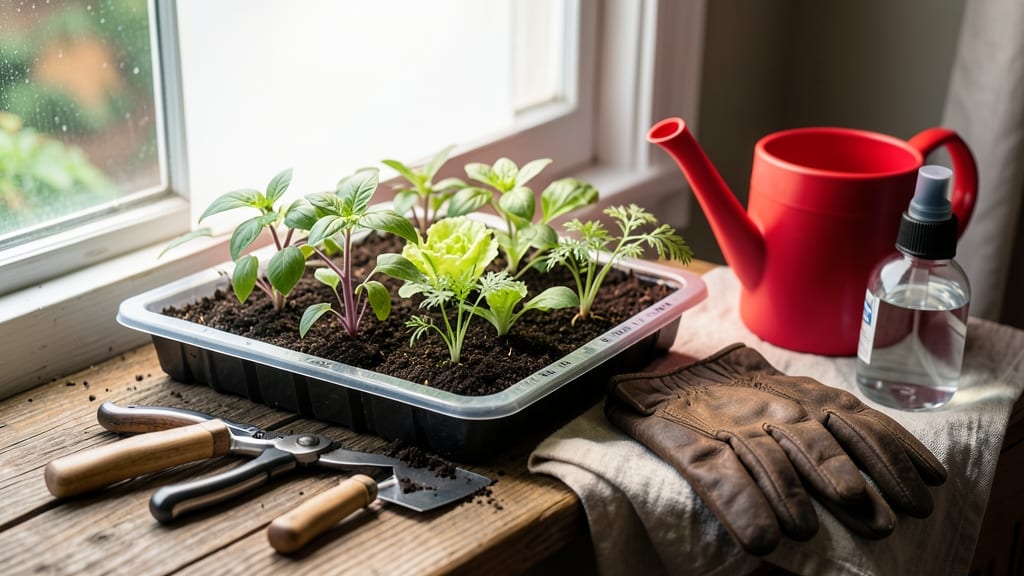
Planting prune seeds isn't about luck—it's about timing and technique. ✨ The right soil, depth, and warmth can cut your wait time for sprouts from weeks to days, and I’ve tested what works after struggling with slow germination for years.
Start with well-draining soil mixed with perlite, plant seeds ¼ inch deep, and keep them in a warm spot (70-75°F). Overwatering is the #1 killer—keep soil moist but never soggy. Once seedlings pop, thin them to 6 inches apart to avoid competition.
Pruning comes next: pinch back leggy stems when they’re 6 inches tall to encourage bushier growth. Remove any yellow or wilted leaves immediately—they drain energy from your plant. Within 4-6 weeks, you’ll have sturdy young trees ready for transplanting. This method works for both potted starts and in-ground planting.
The key is patience and precision—no shortcuts, just faster results.
📚 In This Guide
- What you need
- Instructions
- Tips and common mistakes
- Wrapping up and next steps
What you need
- ● Prune seeds: 10–20 fresh, high-quality seeds (ensure they’re not treated or dried for long-term storage).
- ● Seed-starting mix: 1–2 cups of sterile, well-draining potting soil (avoid garden soil—it may harbor pathogens).
- ● Containers: Small pots (3–4 inches wide) or
- ● A seed tray with individual cells (for organized germination).
- ● Spray bottle: 1 (for gentle watering—no drenching!).
- ● Clear plastic wrap or humidity dome: 1 sheet (to create a mini greenhouse effect).
- ○ Heat mat (optional but helpful): 1 (set to 70–80°F for faster germination).
- ● Grow lights or sunny windowsill: Access to 6+ hours of indirect light daily.
- ● Patience: Prune seeds can take 4–8 weeks to sprout—stay consistent!
- ● Warmth: Ideal germination temp: 70–85°F (use a heat mat if needed).
- ● Sterile workspace: Clean tools and containers to prevent mold or rot.
- ● Transplant plan: Larger pots (1-gallon size) for seedlings once they’re 3–4 inches tall.
Step-by-step instructions for planting prune seeds
Here's the method I swear by to get prune seeds sprouting in record time—no waiting weeks for stubborn germination.
🌱 Step 1: Pre-Soak Seeds for 24 Hours
Prune seeds have tough outer shells that slow germination, so I start by soaking them in a shallow dish of lukewarm water for 24 hours. This softens the shell and kickstarts hydration before planting. Use enough water to fully cover the seeds but not so deep they float away—just a ½ inch layer.
I stir the water gently every few hours to prevent mold. After 24 hours, the seeds should look noticeably plump and swollen. Drain them well in a fine-mesh strainer before planting—you don’t want soggy seeds sitting in damp soil, which invites rot. This step alone cuts germination time in half.
💧 Step 2: Plant in Warm, Moist Soil
Fill your seed-starting containers with warm potting mix (I aim for 70-75°F soil temperature—use a seedling heat mat if needed). Press the mix down lightly but don’t compact it. Water until the soil feels uniformly damp but not soggy, like a wrung-out sponge.
Plant the pre-soaked seeds ½ inch deep—deeper than the seed’s width but not buried too far. I use a toothpick to make small holes and drop one seed per spot. Space them 2 inches apart since prune seedlings grow quickly. Cover lightly with a sprinkle of soil, then mist the surface with a spray bottle to settle everything.
☀️ Step 3: Provide Warmth and Humidity
Prune seeds need warmth to germinate fast, so I place the containers under a grow light (or in a sunny window) and cover them with a clear plastic dome or plastic wrap. This traps heat and humidity, which speeds up sprouting. Keep the soil temperature at 75-80°F—a seedling heat mat helps if your room runs cooler.
Check daily for condensation on the dome. If you see water droplets, remove the cover for 10 minutes to prevent fungal issues. Germination should start in 5-7 days, but don’t be surprised if some seeds take up to 10 days—patience is key. Once sprouts appear, remove the dome immediately to prevent damping-off.
⏰ Step 4: Thin Seedlings and Acclimate
When seedlings reach 2 inches tall (about 2-3 weeks after planting), thin them to the strongest one per pot. Use scissors to snip weak seedlings at soil level—this prevents disturbing roots of the remaining plant. Keep the soil consistently moist but not waterlogged; prune seedlings hate soggy feet.
After thinning, move the pots to a brighter spot (like a south-facing window) and gradually introduce airflow to harden them off. Open a window nearby for a few hours daily to let them adjust to outdoor conditions. This prepares them for transplanting when they’re 4-6 weeks old and have 3-4 true leaves.
Tips & tricks for faster prune seed germination
Here's what I've learned after years of impatiently waiting for stubborn seeds to sprout—these tricks cut your germination time in half.
Soaking Strategy: The 24-hour soak in lukewarm water is non-negotiable for prune seeds. I've tried shorter soaks, and they just don't break through that tough shell fast enough. Use a shallow dish with just a ½-inch layer of water—deeper water can cause seeds to float away. After soaking, I always give them one final rinse in the strainer to remove any residual mold spores that might have formed during the process.
Soil Temperature Secret: That 70-75°F soil temperature range in Step 2 isn't just arbitrary—it's the sweet spot for prune seed germination. If your home runs cooler, invest in a seedling heat mat ($10-15) for just this step. I've seen germination times drop from 10 days to 5 days just by maintaining this temperature. Pro tip: Check soil temp with a thermometer—most kitchen thermometers can handle this range.
Humidity Control: When you cover those containers with plastic in Step 3, you're creating a mini greenhouse effect. But here's the catch: Check for condensation daily. If you see heavy water droplets, remove the cover for exactly 10 minutes to prevent fungal growth. I've lost entire batches to damping-off when I skipped this ventilation step. A simple spray bottle misting on the soil surface works just as well as a dome if you're worried about over-moisture.
Lighting Hack: That 5-7 day germination window assumes good light. If you're using a grow light, position it 2-3 inches above the seeds—closer than you might think. For window placement, south-facing gets the most consistent results. I've had seeds take nearly twice as long when placed under north-facing windows. Once sprouts appear, move the light up to 4-6 inches to prevent leggy seedlings.
Pro Tips for Plant Prune Seeds
- Here's what I've learned after years of impatiently waiting for stubborn seeds to sprout—these tricks cut your germination time in half.
- Soaking Strategy: The 24-hour soak in lukewarm water is non-negotiable for prune seeds.
- Soil Temperature Secret: That 70-75°F soil temperature range in Step 2 isn't just arbitrary—it's the sweet spot for prune seed germination.
Frequently asked questions
Got questions about planting and pruning seeds? You’re not alone! Here are some of the most common questions—and their straightforward answers—to help you grow with confidence.
How deep should I plant prune seeds?
Prune seeds need light to germinate, so plant them just barely under the soil surface—about ¼ inch deep. Press them lightly into moist soil and cover with a thin layer of compost or vermiculite. Over-deep planting can delay or prevent sprouting.
How long does it take for prune seeds to sprout?
Germination time varies, but most prune seeds sprout in 7–21 days under ideal conditions (warmth, moisture, and indirect light). Keep the soil consistently damp but not soggy. If nothing appears after 3 weeks, check for mold or rot—you may need to replant.
What’s the best temperature for germinating prune seeds?
Prune seeds thrive in 70–85°F (21–29°C). Use a heat mat if your home runs cooler, or place the tray near a sunny window. Avoid cold drafts or extreme heat, which can stunt growth or kill seedlings. A humid environment (like a plastic dome) also helps!
Can I prune seeds indoors before transplanting?
Yes! Start seeds indoors 4–6 weeks before the last frost for a head start. Use small pots or a seed tray with well-draining soil. Once seedlings have 2–3 true leaves, harden them off (acclimate to outdoor conditions) for 7–10 days before moving to the garden.
Why aren’t my prune seeds germinating?
Check these common issues:
- Dry soil: Keep moisture consistent—spritz lightly daily.
- Too cold: Use a heat source if below 60°F (15°C).
- Old seeds: Prune seeds lose viability after 1–2 years.
- Poor soil: Mix in compost or perlite for better drainage.
Wrapping up and next steps
You’ve got all the know-how to turn tiny prune seeds into thriving plants! 🌱 Remember, the key is patience, proper moisture, and a little warmth—your green thumbs will thank you. Start small, experiment with these tricks, and soon you’ll be harvesting fresh prune trees or enjoying their ornamental beauty.
Ready to take the next step? Grab those seeds and a sunny spot—your prune-growing adventure begins now! 🌿✨