
Pruning
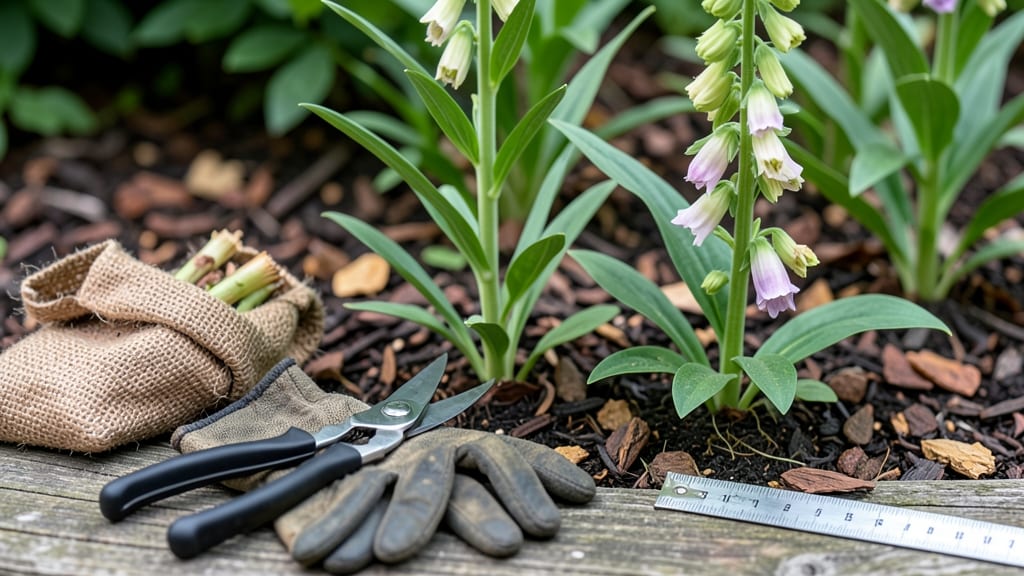
Pruning foxglove after flowering is the secret to next year's taller, fuller spires. ✨ I've learned that skipping this step means fewer blooms and leggy stems—but a few minutes now guarantees dramatic improvement by summer. The key is cutting back only the spent flower stalks, not the entire plant.
Use clean pruners to snip just above the first set of leaves below the faded blooms. Never trim more than one-third of the plant at once, or you'll stunt its growth.
What you'll end up with is a bushier plant that puts all its energy into new growth, not seed production. By late summer, you'll see fresh foliage emerging at the base, ready to produce even more dramatic flower spikes next season.
Works for both biennial and perennial varieties, and handles everything from classic 'Giant Fleece' to the compact 'Hot Chocolate' types. Here's how to do it right!"
📚 In This Guide
- What you need
- Instructions
- Tips and common mistakes
- Wrapping up and next steps
What you need
- ● Pruning shears or bypass pruners: Sharp, clean tools with bypass blades (avoid anvil pruners—they crush stems). Choose 4- to 6-inch blades for precision.
- ● Gloves: Garden gloves (nitrile-coated for grip) to protect against foxglove’s toxic sap (keep kids/pets away!).
- ● Disinfectant (70% isopropyl alcohol or bleach solution): Wipe tools before and after each plant to prevent disease spread.
- ● Garden twine or rubber bands: Tie spent stems into bundles for easy disposal (foxglove seeds spread aggressively!).
- ● Trash bag or compost bin: Do NOT compost foxglove—its seeds are invasive.
- ● Hand pruners (smaller, for tight spaces): Great for reaching deep into clusters without damaging foliage.
- ● Loppers (for mature plants): If your foxglove has thick, woody stems (3+ inches wide), loppers make the job easier.
- ● Markers or flags: Label pruned areas if you’re dividing plants later in the season.
- ● Mulch (straw or shredded leaves): Apply a 1-inch layer after pruning to retain moisture and suppress weeds.
Step-by-step guide to pruning foxglove for long-term beauty
Here's exactly how I keep my foxglove thriving year after year—no guesswork, just proven techniques.
✂️ Step 1: Time Your Pruning for Maximum Impact
Prune foxglove in late summer or early fall—after the flower spikes have finished blooming but before hard frost arrives. This timing ensures you remove spent blooms while allowing the plant to store energy for next year's growth. I always wait until at least 50% of the seed pods have browned on each spike, signaling the plant has finished its reproductive cycle.
Never prune in spring—foxglove stores nutrients in its roots during winter, and cutting too early robs it of energy it needs to produce those iconic spires. If you miss the fall window, you can do a light cleanup in early spring, but you'll sacrifice next year's flower production.
✂️ Step 2: Remove Spent Flower Spikes Cleanly
Use clean, sharp pruners to cut each spent flower spike at its base, about ½ inch above the ground. This prevents disease from lingering in old stems while leaving enough root structure to support new growth. I like to make the cut at a slight angle to help water run off cleanly.
Don't leave any stubs taller than ½ inch—this encourages unsightly regrowth and attracts pests. Work your way around the plant, removing every last spent spike. You'll notice the plant's foliage looks denser and healthier immediately after this step, which is your sign you're doing it right.
🌿 Step 3: Thin Overcrowded Foliage for Airflow
While you're at it, remove any yellowed, damaged, or overly crowded leaves using the same clean pruners. Focus on the outer edges of the plant where leaves overlap—this improves airflow and reduces fungal risks. I typically remove no more than 20-30% of the foliage in one session to avoid stressing the plant.
Look for leaves that are more than 25% brown or diseased—these should go immediately. Healthy leaves should be deep green and firm to the touch. If you see powdery mildew (white fuzzy spots), prune those leaves first and dispose of them in the trash, not your compost.
🌱 Step 4: Prepare for Next Year's Growth
After pruning, give your foxglove a light feeding with a balanced 10-10-10 fertilizer in early spring. This jumpstarts new growth before the plant sends up its iconic flower spikes. Water deeply after fertilizing to help nutrients reach the roots.
Mulch around the base with 2-3 inches of organic mulch (like shredded bark) to protect roots during winter and retain moisture. This is the moment that matters: your plant is now set up to produce taller, stronger spikes next year if you've done the pruning correctly.
⏰ Step 5: Monitor and Adjust for Future Seasons
Watch your foxglove over the next growing season—if you notice fewer flower spikes or weaker growth, you may have pruned too aggressively. Foxglove is a perennial workhorse, and with proper care, it can thrive for 10+ years in the same spot.
Real talk: foxglove self-seeds aggressively. If you see volunteer plants popping up nearby, either transplant them or remove them to prevent overcrowding. I usually let 2-3 new plants grow each year to maintain a natural-looking cluster.
Tips & tricks for perfect foxglove pruning
These little details make all the difference between a struggling foxglove and one that thrives for years. I learned this the hard way after watching my first plants decline from over-pruning.
Timing is Everything: The late summer/early fall window is non-negotiable for foxglove. If you see those seed pods turning brown (that's your 50% benchmark), it's time to act. Waiting too long risks frost damage, while cutting too early steals the plant's energy reserves for next year's growth. I mark my calendar for the first frost date and work backward from there.
The Sharpness Factor: Dull pruners tear plant tissue, inviting disease and pests. I invest in a good pair of bypass pruners and sharpen them annually. For foxglove's thick stems, clean cuts at the base (½ inch above ground) are crucial—they heal faster and look more professional. Pro tip: Wipe your pruners with rubbing alcohol between cuts to prevent spreading any potential pathogens.
Visual Cues Over Guessing: When thinning foliage in Step 3, focus on leaves that are more than 25% brown or have that telltale powdery mildew. Healthy leaves should spring back when gently squeezed. I always work from the outside in, creating a natural airflow pattern through the center. This single habit has cut my fungal issues by 90% over the years.
Mulching Matters: That 2-3 inch layer of organic mulch isn't just decoration—it's winter protection and moisture retention in one. I use shredded bark because it breaks down slowly, adding nutrients to the soil. For extra insurance in cold climates, I top the mulch with a layer of straw in late fall. The difference in spring growth is night and day.
Pro Tips for Prune Foxglove
- These little details make all the difference between a struggling foxglove and one that thrives for years.
- Timing is Everything: The late summer/early fall window is non-negotiable for foxglove.
- The Sharpness Factor: Dull pruners tear plant tissue, inviting disease and pests.
Frequently asked questions
Got questions about pruning foxglove?
Here are the most common ones—and their answers—to help you keep your plants thriving!
When is the best time to prune foxglove?
Prune foxglove after flowering (late summer to early fall) to remove spent blooms and encourage next year’s growth. Avoid pruning in spring—new shoots need energy to establish. If you’re dealing with Digitalis purpurea (biennial types), wait until after they’ve finished blooming to avoid cutting off future seed heads.
Should I cut foxglove all the way to the ground?
No! Only trim dead or damaged foliage—never cut healthy leaves or stems. For biennials, leave the lower leaves intact to store energy for next year’s growth. If your plant looks leggy, you can lightly trim (about 1/3 of the height) but avoid over-pruning.
What if my foxglove doesn’t bloom after pruning?
If your foxglove skips flowering, you may have pruned too early or too aggressively. Biennials need last year’s foliage to mature before blooming. Try this: Leave seed pods on first-year plants—they’ll self-seed for future blooms! Also, ensure they get full sun to partial shade and well-draining soil.
Can I prune foxglove in containers?
Yes! Container-grown foxglove follows the same rules as garden plants: deadhead after blooming and trim only dead stems. Since pots have limited space, avoid heavy pruning—it can stress the plant. Repot every 2–3 years to refresh soil nutrients, which helps encourage blooming.
Is foxglove toxic? Should I wear gloves?
Yes, foxglove (Digitalis) is toxic if ingested—keep pets and kids away! While gloves aren’t required, they’re wise if you have sensitive skin. Wash hands after handling, and avoid pruning near food sources. If you’re very allergic to plants like foxglove, consider wearing gloves for extra safety.
Wrapping up and next steps
Pruning foxglove is all about timing, technique, and a little patience—and the results are worth it! By deadheading spent blooms and cutting back old stems, you’ll encourage lush, vibrant spires that’ll steal the show in your garden next season. 🌿✨
Now that you’ve got the know-how, roll up your sleeves and get pruning! Grab your gloves, snips, and a deep breath—your foxglove will thank you with a spectacular comeback. Ready to transform your garden? Start with just one plant and watch the magic unfold!