
Pruning
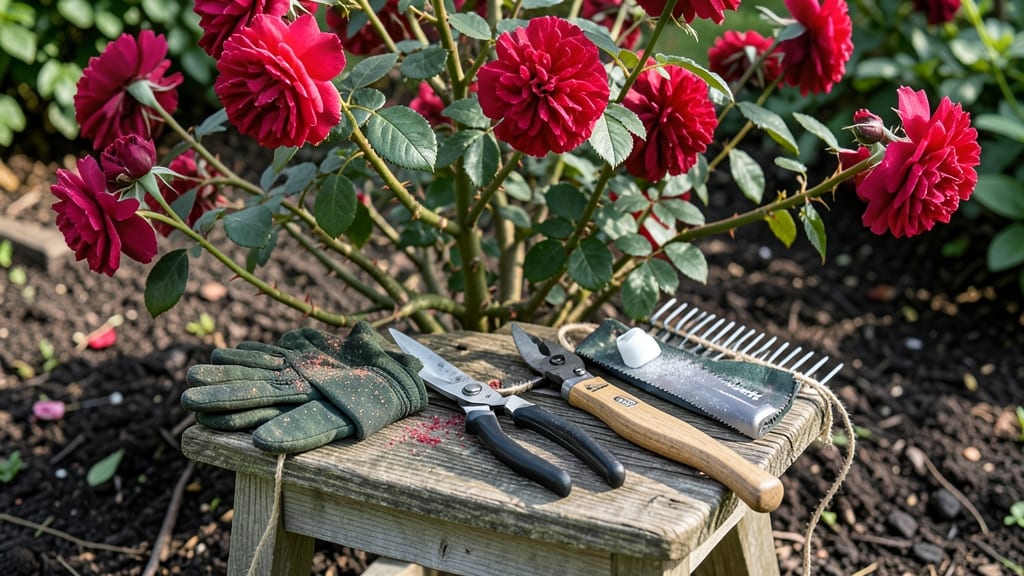
Pruning Double Knock Out roses transforms them from scraggly bushes into vibrant, blooming powerhouses—and the secret is timing and technique. ✂️ I’ve pruned these roses for years, and the difference between a well-shaped plant and one that struggles comes down to when and how you cut.
These roses bloom on new wood, so aggressive pruning isn’t just safe—it’s essential for bushier growth and more flowers.
The best time to prune is late winter or early spring, right before new growth begins. You’ll need sharp bypass pruners, rubbing alcohol (to sterilize cuts), and a pair of gloves—no fancy tools required.
Start by removing any dead, diseased, or crossing branches first, then step back and look for the plant’s natural shape. The goal is to open up the center for airflow and sunlight, which keeps blooms healthy and reduces pests.
After your cuts, you’ll notice fresh green shoots emerging within 10-14 days. These new stems are where the magic happens—they’ll produce your summer and fall blooms. A light application of balanced fertilizer at this stage gives them a boost, but don’t overdo it.
Over-fertilizing can lead to leafy growth at the expense of flowers, and these roses already grow like weeds when happy.
This method works year-round for maintenance pruning—just trim back overgrown stems after each bloom cycle to keep the shape tidy and encourage continuous flowering. The key is consistency: a little attention now means months of effortless blooms later. Ready to turn your roses into the showstopper of the garden?
📚 In This Guide
- What you need
- Instructions
- Tips and common mistakes
- Wrapping up and next steps
What you need
- ● Bypass pruners – Sharp, clean bypass pruners (4-6" blades) for precise cuts on smaller stems. Required for 90% of cuts.
- ● Loppers – Heavy-duty loppers (8-12") for thicker branches (½"–1.5" diameter). 1 pair is sufficient.
- ● Pruning saw – A curved-tooth pruning saw for stubborn, woody stems (>1.5" thick). 1 saw recommended.
- ● Garden gloves – Cut-resistant gloves (e.g., leather or synthetic) to protect hands from thorns and debris. 1 pair.
- ● Disinfectant (70% isopropyl alcohol or bleach solution) – To sterilize tools between cuts and prevent disease spread. Small spray bottle or wipe.
- ● Rubbing alcohol or bleach – For wiping down tools before and after pruning. 1 bottle or small container.
- ○ Pruning sealant (optional) – Tree wound sealant for large cuts (>½") to reduce disease risk. Small jar or tube.
- ● Extension pole pruners – For reaching high branches without a ladder. 1 pair (10–12' reach).
- ● Sharpener (file or stone) – To keep blades razor-sharp mid-pruning. 1 small file or whetstone.
- ● Trash bags or bucket – For collecting pruned debris. 1–2 bags or a 5-gallon bucket.
- ● Hand lens (magnifying glass) – To inspect buds and cuts closely. Small pocket-sized lens.
- ● Notebook & pen – For tracking pruning dates or noting growth patterns. 1 small notebook.
Step-by-step guide to pruning Double Knock Out roses
Here’s my foolproof method for keeping these hardy roses blooming nonstop with minimal effort.
✂️ Step 1: Time Your Pruning for Maximum Impact
Double Knock Out roses bloom continuously, so timing matters less than technique. Still, I prune lightly in late winter (just before buds swell) to shape the plant and remove dead wood. This is when the plant’s energy shifts from dormancy to growth—pruning now encourages strong new stems for summer blooms.
Wait until temperatures stabilize above 40°F before cutting. Cold snaps can shock newly pruned plants. If you missed winter, don’t stress—prune anytime except when flowers are in full bloom. Just focus on removing dead, crossing, or weak stems first.
✂️ Step 2: Remove Dead and Damaged Wood First
Start by scanning the entire bush for blackened, mushy, or hollow stems—these are dead and won’t regrow. Cut these out completely at the base with clean, sharp pruners. You’ll see healthy wood is firm and greenish-brown inside when you cut; dead wood is hollow or crumbly.
Next, remove any stems that cross or rub against others. These create wounds where disease can enter. I like to step back every few cuts to visualize the plant’s shape—this helps me spot problem branches I might’ve missed up close.
✂️ Step 3: Thin Out Crowded Stems for Airflow
Double Knock Out roses grow densely, which can trap moisture and invite fungal diseases. Aim to thin the center of the bush by one-third, removing the oldest, thickest stems first. These stems produce fewer blooms and take energy from younger growth.
Cut stems at a 45-degree angle about ¼ inch above an outward-facing bud. This encourages new growth to angle outward, improving airflow and sunlight penetration. Avoid leaving stubs—always cut just above a bud to prevent disease entry points.
✂️ Step 4: Shape the Bush for Continuous Blooms
Now focus on shaping the plant into a rounded form. Start at the top and work downward, cutting back the longest stems to just above a bud that faces outward. This creates a natural vase shape that supports more blooms and reduces breakage from wind or rain.
For leggy stems, cut back to a lateral bud to encourage bushier growth. Avoid over-pruning—never remove more than one-third of the plant’s total stems in a single session. Double Knock Outs are forgiving, but drastic cuts stress the plant and delay blooming.
✂️ Step 5: Deadhead and Maintain Year-Round
After the initial prune, deadhead spent blooms regularly to redirect the plant’s energy into new flowers. Simply snip the stem just above the next set of healthy leaves or buds. I do this every 2-3 weeks during peak bloom seasons to keep the plant producing nonstop.
In fall, give the plant a light trim to remove any dead or diseased stems before winter. Avoid heavy pruning—Double Knock Outs store energy in their stems, and late cuts can stimulate new growth that won’t harden off before cold weather.
Tips & tricks for pruning Double Knock Out roses
Let me share the insights that'll help you transform your roses into a blooming powerhouse with minimal effort.
Tool Prep: Always use clean, sharp pruners—dull blades crush stems instead of cutting cleanly, creating wounds that invite disease. I sterilize my tools with rubbing alcohol between cuts to prevent spreading bacteria. For larger branches, a bypass pruner works best, while smaller stems can be snipped with sharp scissors. This attention to cleanliness makes all the difference in keeping your roses healthy for years.
Visual Cues Over Guessing: In Step 3, when thinning by one-third, step back frequently to visualize the plant's shape. Look for stems that cross or grow inward—these are your targets. I often sketch a rough outline of the ideal rounded form before I start cutting. This simple technique helps me avoid the common mistake of over-pruning while ensuring proper airflow throughout the bush.
Seasonal Adjustments: The 40°F temperature guideline in Step 1 is crucial for late winter pruning, but don't let it stress you if you missed the window. In warmer climates, you can prune year-round as long as you avoid full bloom periods. For spring pruning, focus on removing any winter damage while maintaining the plant's natural shape. The key is always to work with the plant's natural growth patterns rather than forcing a rigid schedule.
Deadheading Strategy: When deadheading every 2-3 weeks in Step 5, I recommend doing it on a slightly cloudy morning. The cooler temperatures reduce stress on the plant, and the lack of direct sunlight prevents wilting of the remaining blooms. This small adjustment helps maintain the plant's energy levels while keeping it producing flowers nonstop throughout the season.
Pro Tips for Prune Double Knock Out Roses
- Let me share the insights that'll help you transform your roses into a blooming powerhouse with minimal effort.
- Tool Prep: Always use clean, sharp pruners—dull blades crush stems instead of cutting cleanly, creating wounds that invite disease.
- Visual Cues Over Guessing: In Step 3, when thinning by one-third, step back frequently to visualize the plant's shape.
Frequently asked questions
Got questions about pruning your Double Knock Out roses? You’re not alone! Here are some of the most common concerns—and straightforward answers—to keep your roses thriving.
When is the best time to prune Double Knock Out roses?
Prune your Double Knock Out roses twice a year: late winter/early spring (just before new growth starts) and after the first flush of blooms in late spring. Light trims can happen year-round, but avoid heavy pruning in fall—it can stress the plant before winter.
How much should I cut back my Double Knock Out roses?
For spring pruning, cut back to 18–24 inches tall, removing about ⅓ of the plant’s height. Look for outward-facing buds when pruning to encourage a bushier shape. In summer, trim only to shape—never cut more than 20–30% of the plant at once.
What if I prune at the wrong time?
Pruning too late in fall can leave your roses vulnerable to frost damage, while pruning too early in spring (before buds swell) may delay blooming. If you accidentally prune at the wrong time, don’t panic! Just focus on light shaping trims and adjust your schedule next year.
Will pruning make my Double Knock Out roses bloom less?
Not if done correctly! These roses are heavily blooming and thrive with proper pruning. The key is removing dead, weak, or crossing branches and cutting just above a 5-leaflet leaf (or outward-facing bud). This encourages more flowers, not fewer!
Can I prune Double Knock Out roses the same way as other roses?
While the basics of pruning (removing dead wood, thinning out crowded stems) apply, Double Knock Out roses are hardier and more forgiving than traditional roses. They don’t need as aggressive a prune—focus on shaping and encouraging airflow rather than drastic cuts. Think of them as low-maintenance powerhouses!
Wrapping up and next steps
Pruning your Double Knock Out roses doesn’t have to be intimidating—with the right tools, timing, and technique, you’ll enjoy bushier blooms and healthier plants year after year! 🌸 Remember to cut at a 45-degree angle, remove dead or crossing branches, and never prune more than one-third of the plant at once.
A little effort now means big rewards in vibrant, repeat-flowering beauty.
Ready to transform your garden? Grab your pruners and schedule your next pruning session—whether it’s a light trim in summer or a major overhaul in late winter. Your roses will thank you with nonstop color and vitality! 🌿