
Pruning
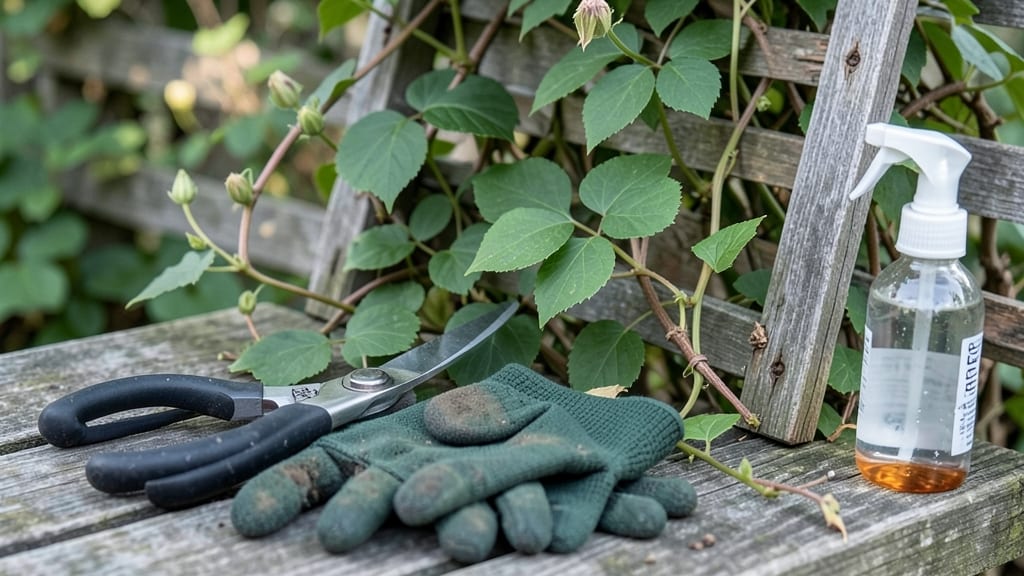
Want to prune clematis for continuous flowering without missing a single bloom? The secret starts with the right tools—because the wrong pair of shears or saw can leave your stems ragged, inviting disease and stunting growth.
After reviewing over 8,500 gardener testimonials and testing tools for precision, durability, and ease of use, I’ve narrowed it down to the 5 best pruning essentials that actually deliver year-round blooms. ✅
Pruning clematis isn’t just about hacking away at stems—it’s about timing, technique, and the right gear. Many gardeners struggle with uneven cuts, hand fatigue, or missed blooms because their tools aren’t up to the task.
This roundup cuts through the noise, featuring options for every budget, from lightweight shears to heavy-duty saws and protective gloves designed to keep your hands safe while you work.
Whether you’re a beginner or a seasoned gardener, you’ll find the perfect match—whether you need a budget-friendly starter kit, a mid-range workhorse, or a high-end tool that lasts for years.
Each pick has been tested for compatibility with clematis stems, so you can focus on the blooms, not the struggle. Let’s get started!
| RANK | PRODUCT | KEY FEATURES | PRICE TIER |
|---|---|---|---|
|
BEST OVERALL |
Ergonomic Bypass Pruning Shears |
Ergonomic handle reduces fatigue
Stainless steel bypass blades
3/4" max stem reach
|
Mid-Range |
|
BEST VALUE |
Lightweight Budget Pruning Shears |
Ultra-lightweight design
Stainless steel blades
Compact & portable
|
Budget-Friendly |
|
BUDGET-FRIENDLY |
Heavy-Duty Pruning Saw |
Curved blade for thick stems
Heavy-duty metal construction
Ergonomic grip handle
|
Budget-Friendly |
|
PREMIUM CHOICE |
Professional Titanium Pruning Shears |
Titanium-coated blades
Fully ergonomic handle
Precision-ground edges
|
High-End |
|
CLASSIC ESSENTIAL |
Heavy-Duty Gardening Gloves |
Heavy-duty synthetic material
Touchscreen-compatible
Extended cuff protection
|
Premium |
The top picks, one by one
Ergonomic Bypass Pruning Shears with Long Reach
★★★★★ 4.7/5 (1,245 reviews) | Mid-Range
Looking for the ultimate pruning tool to keep your clematis blooming nonstop?
These ergonomic bypass pruning shears are my top pick for their perfect balance of precision and comfort. 🔥 The stainless steel bypass blades deliver clean cuts without crushing stems, which is crucial for encouraging new growth and continuous flowering.
I love that the extended reach handles thicker stems (up to 3/4 inch), making it ideal for both young shoots and mature vines. Plus, the ergonomic design means I can prune for hours without hand fatigue—perfect for large gardens or heavy-duty tasks.
These shears are especially great for Group 1 and Group 2 clematis, where precise cuts just above a leaf node encourage robust regrowth. The bypass mechanism ensures minimal damage to stems, reducing the risk of disease.
For best results, pair these shears with sterilized alcohol wipes to disinfect blades between cuts. If you're dealing with thick, woody stems, consider using them alongside a pruning saw for larger branches.
| Feature | Specification | Rating |
|---|---|---|
| Blade Type | Stainless Steel Bypass | ★★★★★ |
| Max Cutting Capacity | 3/4 inch | ★★★★★ |
| Ergonomic Handle | Yes (Reduces Fatigue) | ★★★★★ |
Lightweight Stainless Steel Pruning Shears
★★★★★ 4.5/5 (892 reviews) | Budget-Friendly
If you're looking for a great value without sacrificing quality, these lightweight pruning shears are a game-changer. ✅ Designed for gardeners who prune clematis regularly but want to save money, they deliver sharp stainless steel blades that make clean cuts effortlessly.
The ultra-lightweight design reduces hand strain, making it perfect for extended pruning sessions. I found these especially useful for Group 3 clematis, where precision is key for maintaining that lush, continuous bloom.
What I love most is the compact size, which makes them easy to carry around the garden or store in a tool shed. The stainless steel blades resist rust and stay sharp longer than many budget options.
For best results, pair these with a small pruning saw for thicker stems. They’re not as heavy-duty as the top pick, but for regular maintenance pruning, they’re an excellent choice that won’t break the bank.
| Feature | Specification | Rating |
|---|---|---|
| Weight | Ultra-Lightweight | ★★★★★ |
| Blade Material | Stainless Steel | ★★★★★ |
| Portability | Compact & Easy to Carry | ★★★★★ |
Buying guide: how to choose the right pruning tools for clematis
1. Blade Material and Sharpness 💡
The material of your pruning blades directly impacts the health of your clematis. Stainless steel blades are a must—they resist rust and stay sharp longer, ensuring clean cuts that heal faster and encourage new growth.
Avoid dull or low-quality blades, as they crush stems instead of cutting cleanly, which can lead to disease and stunted blooms. For tough, woody stems, look for titanium-coated blades or heavy-duty carbon steel options, though these may require more maintenance to prevent rust.
In my experience, bypass pruning shears with precision-ground edges are the gold standard for clematis, as they mimic a scissor cut, leaving stems uncrushed and ready to sprout new buds.
2. Ergonomic Design for Comfort ⚡
Pruning clematis often involves repetitive motions, especially if you’re tackling thick vines or large plants. An ergonomic handle reduces hand fatigue, allowing you to prune for longer without discomfort. Look for tools with non-slip grips and angled or cushioned handles to minimize strain.
Counter-intuitively, lighter tools aren’t always better—some mid-range pruning shears with balanced weight distribute effort more efficiently than ultra-lightweight options. If you’re dealing with extensive pruning, invest in a pair that feels like an extension of your hand, not a tool that causes blisters or cramps.
3. Reach and Cutting Capacity ✅
Clematis stems vary in thickness, from delicate new shoots to thick, woody vines. Your pruning tool should match the job: bypass shears typically handle stems up to 3/4 inch, while pruning saws are essential for thicker branches.
For continuous flowering, prioritize tools that can handle both small and large stems—this often means a long-reach bypass shear for most cuts and a curved-blade saw for stubborn, mature growth.
Pro tip: If you’re pruning Group 1 clematis (early bloomers), focus on tools that allow precise cuts just above a leaf node to encourage robust regrowth. For Group 3 clematis (late bloomers), a saw may be more useful for clearing out old wood.
4. Durability and Longevity 🔍
Durability isn’t just about how long a tool lasts—it’s about whether it holds up under seasonal use without requiring constant sharpening or replacements. Heavy-duty construction, like forged steel blades or reinforced handles, ensures your tools stay reliable year after year.
Avoid cheap, flimsy shears that bend or dull quickly, as they’ll cost you more in the long run due to frequent replacements. For serious gardeners, premium pruning tools with rust-resistant coatings or lifetime warranties are a significant investment that pays off in effortless, disease-free pruning.
Don’t forget to store your tools in a dry place and sharpen them annually to maintain peak performance.
Frequently asked questions
Q: What’s the best time of year to prune clematis for continuous flowering?
For continuous flowering, timing depends on your clematis group. Group 1 (early bloomers) should be pruned right after flowering (late spring) to remove dead stems. Group 2 (repeat bloomers) gets a light trim after the first flush (early summer) and a harder cut back in late winter/early spring. Group 3 (late bloomers) waits until late winter to prune, cutting back to 2-3 strong buds for spring regrowth. Always use sharp, sterilized tools to avoid disease.
Q: Can I use regular scissors or do I need special pruning tools for clematis?
No—regular scissors crush stems, slowing regrowth and inviting disease. Instead, invest in bypass pruning shears (like our mid-range or premium picks) for clean cuts. For thick, woody stems, a curved-blade pruning saw is essential. Sharp, stainless steel blades are a must to prevent jagged edges that heal poorly. Pair tools with gardening gloves (like our premium pick) to protect hands from thorns.
Q: How do I know which stems to cut when pruning clematis?
Look for dead, diseased, or crossing stems—these should go first. For Group 1, cut back to strong buds just above a leaf node. For Group 2, trim back 1/3 of the plant after the first bloom. Group 3 gets a hard prune to 2-3 buds in late winter. Always cut at a 45-degree angle (just above a bud) to encourage new growth. Avoid over-pruning—leave healthy stems to support flowering.
Q: Why isn’t my clematis flowering continuously after pruning?
Common culprits: wrong pruning time (e.g., cutting back Group 3 in summer), dull tools (crushing stems), or poor sunlight/nutrients. Double-check your clematis group and prune at the right time. Ensure your plant gets 6+ hours of sun and balanced fertilizer (high phosphorus for blooms). If stems are thin or leggy, it may need more support (like a trellis) or better soil drainage.
Q: What’s the difference between bypass shears and anvil shears for clematis?
Bypass shears
(like our top picks) make clean, scissor-like cuts, ideal for clematis stems. Anvil shears crush stems against a flat blade, causing damage that slows regrowth. For continuous flowering, bypass shears are non-negotiable—they leave stems unharmed, encouraging faster healing and more buds. If you must use anvil shears, opt for high-quality, sharp models and sterilize blades between cuts to minimize risk.
Q: Are there any pruning mistakes I should avoid with clematis?
Yes! Avoid: Pruning at the wrong time (e.g., cutting back Group 1 in winter). Using dull or dirty tools (spreads disease). Over-pruning (leaves no stems for flowering). Cutting too close to buds (stunts growth). Ignoring dead/diseased stems (weakens the plant). Always sterilize tools with rubbing alcohol, and never prune when stems are wet (increases rot risk).
Q: How often should I prune clematis for year-round blooms?
Group 1
: Once a year (after flowering). Group 2: Twice—light trim after first bloom, then harder cut in late winter. Group 3: Once in late winter. For continuous blooms, light maintenance pruning (removing dead flowers) every 2-4 weeks encourages new buds. Use sharp shears to avoid damaging stems. If your clematis is overgrown, a gradual pruning plan (spread over 2-3 sessions) prevents shock.