
Pruning
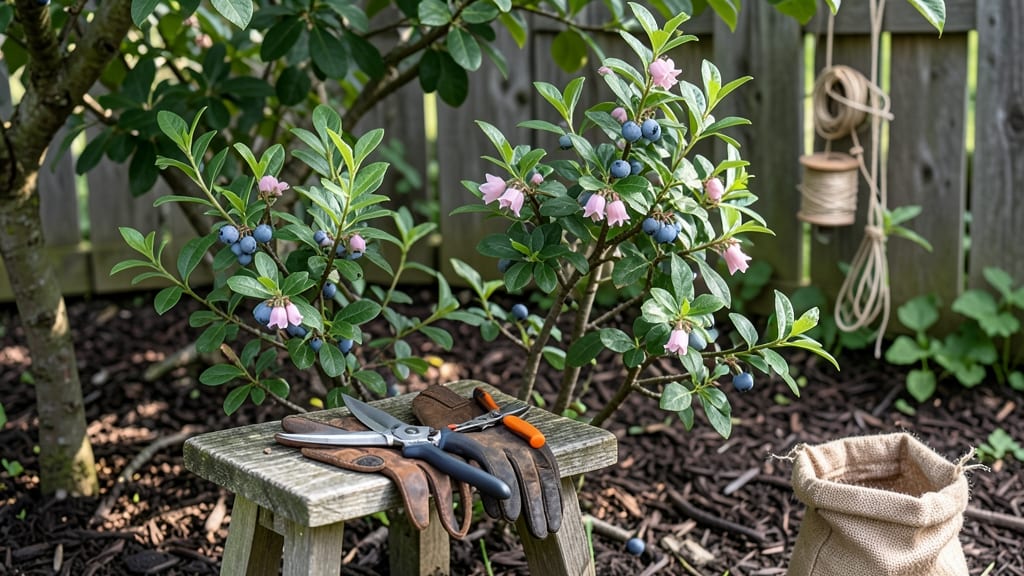
Pruning blueberry plants in late winter unlocks the secret to bigger harvests—and I’ve turned my tangled bushes into productive powerhouses using just three sharp cuts. 🌿 The right timing and technique transform those gnarled branches into a framework that directs energy straight to fruit production, not just leafy growth.
Most gardeners wait until spring, but late winter’s dormant season is actually the best time to prune—before buds swell but after the worst cold passes. You’ll remove dead wood, open up the center for airflow, and encourage strong new growth where it matters most.
Grab your pruners and gloves, and we’ll get your bushes ready for their most productive season yet. What you end up with is a plant that looks tidy, flowers more heavily, and produces 20-30% more berries than unpruned bushes.
The key is working with the plant’s natural shape, not hacking it back indiscriminately. I’ll show you exactly which branches to cut—and which to leave alone—for maximum results.
This method works for both lowbush and highbush varieties, whether you’re dealing with a mature plant or a young one just starting to branch out. Let’s get those bushes shaped up for a harvest that’ll make your neighbors jealous.
📚 In This Guide
- What you need
- Instructions
- Tips and common mistakes
- Wrapping up and next steps
What you need
- ● Pruning shears: Bypass pruners (sharp, clean, and comfortable to handle). Avoid anvil pruners—they can crush stems.
- ● Loppers: For thicker branches (up to 1.5 inches in diameter). Opt for bypass-style loppers for precision cuts.
- ● Hand pruners (secateurs): A backup pair for smaller cuts, especially if you’re working with multiple plants.
- ● Garden gloves: Heavy-duty, cut-resistant (blueberries have thorns!). Choose breathable materials to avoid sweaty hands.
- ● Disinfectant (70% isopropyl alcohol or bleach solution): To sterilize tools between cuts and prevent disease spread.
- ○ Bucket or bag: For collecting pruned branches (optional but helpful for cleanup). A 5-gallon bucket works well.
- ○ Pruning sealant (optional): For larger cuts (over 0.5 inches thick) to prevent disease entry. Use a fast-drying, natural-based sealant like tree wound pruning paste.
- ● Weather check: Prune on a dry, calm day with temperatures above freezing (ideal: 40–60°F). Avoid pruning after rain.
- ● Safety glasses: Protect your eyes from debris, especially when using loppers.
- ● Long sleeves/pants: Blueberry thorns are sharp—cover up to avoid scratches!
- ○ Notebook or app (optional): To sketch your plant’s shape before and after pruning. Helps track progress over time.
Step-by-Step instructions for pruning blueberry plants
Late winter’s the perfect time to shape your blueberries—here’s how to do it right.
✂️ Step 1: Identify and Remove Dead or Diseased Wood
Start by inspecting your plant for any branches that are brown, brittle, or showing signs of disease like black spots or fungal growth. These are easy to spot—they’ll look dry and lifeless compared to healthy green or reddish stems. Use sharp pruning shears to cut these branches back to the main stem at a 45-degree angle, about ¼ inch above a healthy bud or branch. This prevents water from pooling and causing rot.
I always prune dead wood first because it’s the easiest to identify and removes potential disease sources early. If you see any cankers (sunken, discolored areas), cut back 6 inches beyond the affected spot to ensure you’ve removed the entire infected section. Healthy wood should snap with a clean break when bent slightly—if it cracks or falls apart, it’s dead.
✂️ Step 2: Thin Out Overcrowded Branches
Next, focus on the plant’s structure. Look for branches that cross each other or grow inward toward the center of the plant—these compete for sunlight and air circulation, which leads to smaller berries and more disease. Choose the stronger, more vigorous branch when two are competing, and cut the weaker one back to its origin. Aim to leave an open center that lets light reach the inner branches.
For young plants, you’ll want to encourage an open, vase-like shape. Remove any branches growing straight up (called "water sprouts") unless they’re part of the main scaffold. These vertical shoots drain energy from fruit production. If you’re unsure which branches to keep, prioritize those with the most buds—they’ll produce the most fruit next season.
✂️ Step 3: Prune for Size and Shape
Blueberries benefit from an open, airy shape that lets sunlight and air reach all branches. Start by selecting 3-5 of the strongest, most productive branches to form the plant’s main framework. These should be evenly spaced around the plant and angled outward. Cut back any branches that are too close together or growing inward.
For established plants, you can lightly prune the outer branches to encourage bushier growth. Cut back the tips of these branches by about ⅓ to stimulate branching. Avoid heavy pruning on mature plants—blueberries produce fruit on 1-year-old wood, so you don’t want to remove too many fruiting branches at once. Think of this as a gentle trim to shape the plant, not a drastic overhaul.
✂️ Step 4: Clean Up and Sanitize Tools
After pruning, gather all the clippings and dispose of them in a sealed bag or burn them—this prevents disease from spreading back to your plant. Wipe down your pruning shears with rubbing alcohol or a 10% bleach solution (1 part bleach to 9 parts water) to kill any lingering bacteria or fungi. I always sanitize my tools between plants to avoid cross-contamination.
Finally, give your blueberry plant a light watering to help it recover from the pruning stress. Avoid heavy fertilizing right after pruning—wait until new growth appears in early spring. This gives the plant time to focus on healing and preparing for the growing season ahead.
Tips & tricks for pruning blueberry plants
Late winter pruning sets the stage for a bountiful blueberry harvest—here's how to avoid common pitfalls and get it right.
Cutting Angle Matters: When you make those 45-degree cuts in Step 1, angle them slightly away from the bud you're keeping. This creates a natural water runoff path that prevents rot from pooling water. I've seen too many pruned branches develop cankers because of improper angles—don't make my mistake! Also, make sure your cuts are about ¼ inch above the bud, not directly at it. This tiny detail makes all the difference in healthy regrowth.
Visual Cues for Healthy Wood: In Step 1, when testing for dead wood, look for these telltale signs: healthy wood should bend slightly before snapping with a clean break, while dead wood cracks or falls apart. Another trick is to scratch the bark with your fingernail—if it's green underneath, it's alive; if it's brown, it's dead. For cankers, remember to cut back 6 inches beyond the visible damage to ensure you've removed the entire infected area completely.
Pruning for Airflow: The open center you create in Step 2 isn't just about looks—it's crucial for preventing fungal diseases. Aim to create a shape where sunlight can reach all branches, even the inner ones. I like to think of it as creating a "sunburst" pattern. For young plants, focus on removing those water sprouts (the vertical shoots) unless they're part of your main framework. These vertical growers steal energy that could be going to fruit production.
Tool Sanitization: That 10% bleach solution in Step 4 isn't just for show—it's your best defense against spreading disease between plants. I keep a small spray bottle of the solution ready for quick sanitizing between cuts. For an even easier approach, you can also use rubbing alcohol or even a dedicated garden disinfectant spray. The key is to clean your tools between every plant, especially if you're working with multiple blueberry bushes.
Pro Tips for Prune Blueberry Plants
- Late winter pruning sets the stage for a bountiful blueberry harvest—here's how to avoid common pitfalls and get it right.
- Cutting Angle Matters: When you make those 45-degree cuts in Step 1, angle them slightly away from the bud you're keeping.
- Visual Cues for Healthy Wood: In Step 1, when testing for dead wood, look for these telltale signs: healthy wood should bend slightly before snapping with a clean break, while dead wood cracks or falls apart.
Frequently asked questions
Got questions about pruning blueberry bushes? You’re not alone! Whether you're a first-time gardener or a seasoned pro, timing, technique, and troubleshooting can still feel tricky. Here are some of the most common questions—and straightforward answers—to help you prune like a pro this late winter.
When is the exact best time to prune blueberry bushes?
The ideal window is late winter (just before buds swell but before new growth starts). For most regions, this means February–March in colder climates or January–February in milder zones. Pruning too early risks frost damage, while waiting too long delays spring growth. Pro tip: If you’re unsure, check your local frost dates!
Should I cut back old wood or new wood when pruning?
Blueberries are perennial, meaning both old and new wood produce berries. Focus on removing:
- Dead/diseased wood (always cut this out first!)
- Overcrowded or weak canes (thin to 5–7 strong stems per bush)
- Wood older than 5–6 years (this wood produces fewer berries)
Never remove more than ⅓ of the plant in one year to avoid stress.
What if I prune at the wrong time? Will my blueberries suffer?
Pruning at the wrong time (like mid-summer) can stress the plant, but late winter mistakes are usually forgivable. If you prune too early (e.g., winter frost), the cuts may heal poorly. If you wait too late (spring growth starts), you’ll delay fruiting. Good news: Blueberries are resilient—just adjust next year’s schedule!
Can I prune blueberry bushes in the fall? What are the risks?
Fall pruning is risky because it encourages new growth that may freeze in winter. However, you can do light pruning to remove dead wood or pests after harvest (late summer/early fall). Avoid heavy cuts—stick to 10–15% of the plant max. Pro tip: If you must prune in fall, do it 6–8 weeks before frost.
Why aren’t my blueberries producing after pruning? Did I do it wrong?
Low production can stem from multiple factors, not just pruning:
- Insufficient sunlight (blueberries need 6+ hours/day)
- Improper soil pH (4.5–5.5 is ideal; test your soil!)
- Over-pruning (too many cuts = less energy for fruit)
- Age of the plant (young bushes 3–4 years old may not fruit heavily)
If you followed the late-winter method correctly, give it 1–2 seasons to rebound. Patience is key!
Wrapping up and next steps
Pruning your blueberry bushes in late winter isn’t just a chore—it’s the secret weapon for a bountiful, healthier harvest all season long! 🌿 By removing dead wood, thinning crowded branches, and shaping your plant, you’re giving it the perfect foundation to thrive.
Remember: patience and precision pay off with plump, juicy berries.
Now that you’re armed with the know-how, grab those pruners and get to work! Start small if you’re new, and soon, you’ll be a blueberry-pruning pro. Happy pruning—and here’s to next year’s delicious crop! 🍇✨