
How To
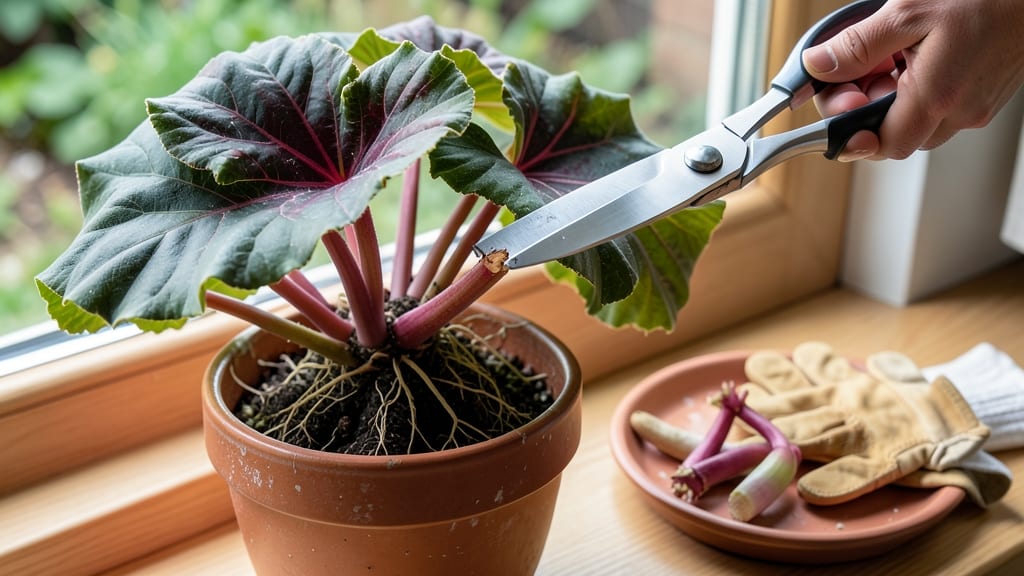
Pruning begonias isn’t just about snipping—it’s the secret to nonstop blooms that last from spring through fall. 🌸 I’ve turned my leggy, sparse begonias into bushy, flower-covered powerhouses with just a few strategic cuts each season, and the key is timing and technique.
Start by removing spent blooms (deadheading) every few days to encourage new flowers, then prune back overly long stems in early spring to shape the plant. Use clean scissors to cut just above a leaf node at a 45-degree angle—this prevents water from pooling and keeps the plant healthy.
After pruning, give your begonias a light feeding with balanced fertilizer to reward their new growth.
📚 In This Guide
- What you need
- Instructions
- Tips and common mistakes
- Wrapping up and next steps
What you need
- ● Sharp, clean pruning shears – A bypass pruner (not anvil-type) is ideal for clean cuts. Size: 4-6 inches (for precision).
- ● Disinfectant (70% isopropyl alcohol or hydrogen peroxide) – 1-2 sprays or wipes per tool to prevent disease spread.
- ● Garden gloves – Nitrile or latex-free (thick enough to protect from thorns on Begonia rex or Begonia boliviensis).
- ○ Small container or bucket – For collecting clippings (optional but handy for propagation!).
- ● Rooting hormone – Speeds up propagation if you’re growing new plants from cuttings.
- ● Rubbing alcohol (90%+) – For sterilizing tools between cuts on multiple plants.
- ● Pruning saw (for thick stems) – Only needed if pruning woody-stemmed begonias like Begonia maculata.
- ● Notebook & pen – To label cuttings or track pruning dates.
Step-by-Step instructions for pruning begonias
Here's how I keep my begonias blooming nonstop—no dead stems, no leggy growth, just vibrant plants all season.
✂️ Step 1: Identify and Remove Dead or Diseased Foliage
Start by inspecting each stem from the base upward. Look for brown, mushy stems or yellow leaves with black spots—these are signs of rot or fungal infection. Use clean, sharp pruning shears to cut these stems back to healthy tissue, making cuts at a 45-degree angle just above a leaf node.
I always sterilize my shears with rubbing alcohol between cuts to prevent spreading disease. Begonias are particularly susceptible to powdery mildew, so removing infected foliage early saves the whole plant. If you find stems with holes (often from pests), trim those aggressively—they won't recover.
✂️ Step 2: Pinch Back Leggy Growth for Bushier Plants
Begonias grow leggy when they don't get enough light. Identify the longest, weakest stems and pinch them back just above a set of leaves where new growth will emerge. For tuberous begonias, focus on stems that are stretching more than 6 inches beyond the plant's natural shape.
This encourages branching and a fuller plant. I like to do this every 4-6 weeks during the growing season. Watch for new side shoots emerging from the pinched areas—these will become your next round of blooms. Never cut more than one-third of the plant at once, or you'll shock the roots.
☀️ Step 3: Prune for Airflow and Light Penetration
Thin out crowded stems to improve airflow, which prevents fungal diseases. Focus on the center of the plant where stems cross or leaves rub together. Remove any stems growing toward the center that block light from reaching inner leaves.
I aim for a vase-shaped silhouette—wider at the base, narrower at the top. This ensures light reaches all leaves, which is crucial for begonias. If your plant is in a pot, check the undersides of leaves for spider mites after pruning. A blast of water from the hose (if outdoors) or a damp cloth wipe (if indoors) keeps pests at bay.
⏰ Step 4: Encourage Continuous Blooming with Strategic Cuts
After the first flush of blooms fades, cut back spent flower stems to just above the nearest leaf node. For fibrous begonias, this stimulates new flower buds to form. I do this every 2-3 weeks during the blooming season to keep the plant producing fresh flowers.
For tuberous begonias, reduce watering after flowering slows, then cut back all stems to 2 inches above the soil line in late fall. This prepares the tubers for dormancy. Store them in 50-60°F conditions until spring—you'll see fresh growth in just 4-6 weeks when you replant.
🌿 Step 5: Post-Pruning Care for Recovery
Water the plant deeply after pruning to help it recover. Begonias are sensitive to drought stress, so keep the soil evenly moist but not soggy. I use a moisture meter to check—soil should read 40-50% moisture at the root level.
Move pruned begonias to a bright, indirect light spot for 3-5 days to reduce stress. You'll notice new growth emerging from leaf nodes within 7-10 days. Avoid fertilizing immediately after pruning—wait until you see new leaf growth before applying a balanced 10-10-10 fertilizer to support recovery.
Tips & tricks for pruning begonias
Real talk: Pruning begonias isn't just about cutting back—it's about creating the perfect conditions for year-round blooms. Here's what nobody tells you about keeping your plants thriving.
Tool Prep Matters: Sterilizing your pruning shears between cuts in Step 1 is non-negotiable. I've seen powdery mildew spread like wildfire when gardeners skip this step. Keep a small bottle of rubbing alcohol handy—it takes just 10 seconds per cut but prevents fungal infections that can kill your begonias. For extra protection, wipe blades with a 10% bleach solution (1 part bleach to 9 parts water) between different plants.
The 6-Inch Rule for Tuberous Varieties: When pinching back leggy growth in Step 2, focus on stems exceeding 6 inches beyond the plant's natural shape. This is where tuberous begonias store energy for future blooms. I learned this the hard way after letting stems grow too long—my plants produced fewer flowers the following season. Use your fingers to gently pinch rather than cutting; this encourages more branching.
Light Penetration Secret: The vase-shaped silhouette in Step 3 isn't just aesthetic—it's functional. Begonias need light to reach all leaves, especially the lower ones. I use a small handheld mirror during pruning to reflect light into the center of dense plants. This simple trick helps prevent leggy growth and keeps foliage vibrant. For indoor plants, rotate them weekly to ensure even light exposure.
Seasonal Timing for Tuberous Types: That 2-inch cut in late fall for tuberous begonias isn't arbitrary—it's about triggering dormancy. Store tubers in a paper bag with perlite to prevent rot during their 50-60°F winter rest. I mark the bags with the date to track the 4-6 week growth period come spring. This precise timing ensures vigorous regrowth without shocking the plant.
Pro Tips for Prune Begonias
- Real talk: Pruning begonias isn't just about cutting back—it's about creating the perfect conditions for year-round b...
- Tool Prep Matters: Sterilizing your pruning shears between cuts in Step 1 is non-negotiable. I've seen powdery mildew...
- The 6-Inch Rule for Tuberous Varieties: When pinching back leggy growth in Step 2, focus on stems exceeding 6 inches ...
Frequently asked questions
Got questions about pruning begonias? You’re not alone! Here are some of the most common concerns—plus expert answers to keep your plants thriving.
When is the best time to prune begonias?
Prune tuberous begonias in early spring (just before new growth) and fibrous-rooted begonias after blooming or in late summer. Avoid heavy pruning in winter—this is their dormant season! Light trimming to remove dead leaves can happen year-round.
How much should I cut back my begonia?
For tuberous types, trim back by ⅓ to ½ after blooming to encourage new growth. For fibrous-rooted or rex begonias, remove only dead or yellowing leaves—never over-prune, as these thrive on foliage. Think "less is more" for leafy varieties!
What if I prune at the wrong time?
Pruning too late in the season (fall/winter) can stunt growth or leave plants vulnerable to cold. If you accidentally prune in winter, wait until spring to resume. Over-pruning in summer can reduce blooms—always leave some foliage to photosynthesize!
Can I propagate begonia cuttings from pruning?
Dip healthy 3–4 inch cuttings in rooting hormone (optional) and place in moist perlite or water. Keep in bright, indirect light. Most begonias root in 2–4 weeks—perfect for expanding your collection!
Why are my begonias dying after pruning?
Check for over-pruning (too many cuts at once), disease (like powdery mildew on stems), or stress from sudden temperature drops. Sterilize tools with rubbing alcohol, avoid wet foliage, and prune on dry, mild days to prevent shock.
Wrapping up and next steps
Pruning begonias isn’t just about trimming—it’s your secret weapon for vibrant blooms and healthy growth all year long! 🌸 With the right tools, timing, and techniques, you’ll keep your plants thriving and looking their best. Whether you’re shaping for aesthetics or encouraging new growth, remember: confidence comes with practice.
Ready to take your begonia care to the next level? Start small—pick one plant to experiment with, and soon you’ll be a pruning pro! 🌱 Grab your shears and get growing!