
How To
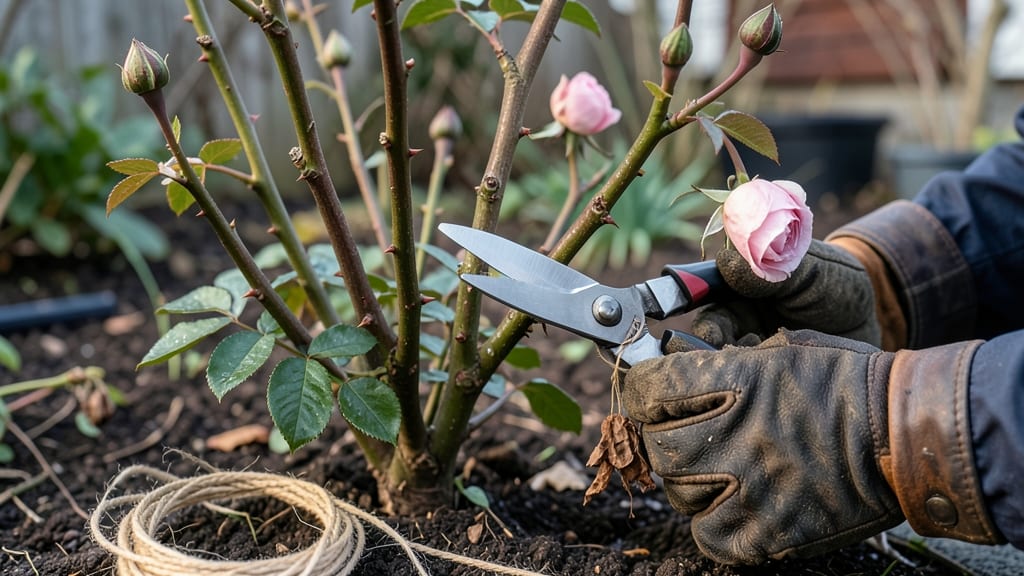
To prune back roses at the right time ensures stronger blooms and healthier canes 🌹 — but one wrong cut can set your plants back for months.
Picture this: you’ve just spent hours shaping your rose bushes, only to watch them struggle through a weak spring or fail to bloom at all. The secret? Timing it right during the dormant season, when the plant is resting but not yet waking up.
Miss this window, and you risk inviting disease or stunting growth.
Most gardeners in USDA Zone 6a should prune between late winter and early spring, just as the last frost passes but before buds swell. That’s typically March to April, but regional variations mean your neighbor’s perfect schedule might not work for you.
In this guide, I’ll break down the exact timing for your climate, the tools you’ll need, and step-by-step cuts that keep your roses thriving for years. No more guesswork—just stronger stems and more flowers.
Best times to prune roses in dormant season (with exact months)
Pruning roses during their dormant season is the golden rule for healthier blooms and stronger canes. This is when your roses are naturally resting, making them far more resilient to pruning. The wrong timing can invite disease or shock your plant into early growth—both of which weaken your roses.
The secret? Prune when cane buds are swollen but haven’t yet burst, signaling the plant’s readiness to wake up.
Your USDA zone dictates the exact window, but the goal is always the same: late winter to early spring, just before new growth begins. For example, in Zone 3, prune in March after the last frost, while Zone 10 gardeners can prune as early as January.
The key is to act before the plant’s sap starts flowing, which usually happens when you see buds swelling slightly.
Here’s why dormant season pruning matters: Disease prevention is the top priority. Wet, warm conditions in spring create the perfect storm for fungal infections like black spot. Pruning in dormancy removes dead wood and diseased canes before the growing season begins, giving your roses a clean slate.
Additionally, shaping your rose bush now encourages air circulation, reducing humidity around foliage and further lowering disease risk.
To spot the perfect pruning window, look for these cane conditions: Swollen buds (about the size of a pea) but no green shoots yet, and dry, brittle canes. If you see fresh green growth, you’ve missed the window—wait until next year.
Another trick? Check the ground temperature: aim for 40°F (4°C) or higher consistently. This ensures the soil is thawed enough to support new root growth after pruning.
For repeat-blooming roses (like Hybrid Teas or Floribundas), dormant season pruning sets the stage for all-season blooms. These varieties need a harder prune—cutting back ⅓ to ⅔ of the plant—to encourage multiple flushes of flowers.
In contrast, once-blooming roses (such as China Roses) only need light pruning to shape them, as they bloom on old wood.
If you’re in a mild-winter zone (like Zone 8-10), you might spot roses breaking dormancy earlier. In these cases, prune lightly in December to remove dead wood, then do a major prune in January before the next growth spurt.
This two-step approach prevents sap bleeding, which weakens the plant and attracts pests.
One critical mistake gardeners make is pruning too early in harsh winters. If you cut back in January in Zone 5, your roses may not have enough time to harden off before spring.
This can lead to winter dieback or frost damage to new canes. Always wait until the last frost date has passed—check your local agricultural extension service for precise dates.
Pro tip: Mark your calendar based on your zone, but also watch your roses closely. The perfect pruning day arrives when 50% of the canes show swollen buds, but no green tips are visible.
This ensures you’re pruning at the ideal transition point between dormancy and growth. Use a sharp bypass pruner and sterilize tools with rubbing alcohol to prevent spreading disease between cuts.
Remember, dormant season pruning isn’t just about cutting back—it’s about preparing your roses for the growing season ahead. By following these zone-specific guidelines, you’ll encourage healthier canes, more abundant blooms, and fewer pests all year long.
Start your pruning ritual now, and your roses will thank you with vibrant, disease-free blooms come summer.
🌹How to prune roses correctly: step-by-step for thicker canes
Pruning roses isn't just about cutting back—it's about strategic shaping that encourages thicker, stronger canes and more abundant blooms. The ⅓ rule is your golden guideline: never remove more than one-third of the plant's total growth in a single session. This balance prevents stress while promoting vigorous new growth.
Before you begin, gather your tools: sharp bypass pruners (for clean cuts), sterilized loppers (for thicker canes), and a disinfectant solution (1 part bleach to 9 parts water). Sterilizing tools between cuts prevents disease spread—a critical step I can't emphasize enough for rose health.
Now, let's focus on the cutting angle. Always make cuts at a 45-degree angle, about ¼ inch above a live bud that faces outward.
This angle helps water run off the cut, reducing rot risk while directing new growth away from the center of the plant for better airflow and light penetration.
-
Step 1: Remove Dead or Diseased Wood
Cut out blackened, shriveled, or hollow canes at the base. These won't regrow and can harbor pests or disease.
-
Step 2: Identify Live Buds
Look for swollen buds with a slight bump—these indicate healthy growth. Avoid cutting above dead buds (they're brown and crumbly).
-
Step 3: Apply the ⅓ Rule
Step back and visually assess: never trim more than ⅓ of the plant. For a 3-foot rose, aim to leave 2-foot canes after pruning.
-
Step 4: Thin Out Crowded Canes
Remove weak, crossing, or inward-growing canes to improve airflow. Focus on keeping the strongest, healthiest canes.
-
Step 5: Shape for Airflow
Open the center of the rose by cutting back overly dense growth. This reduces humidity buildup and fungal risks like black spot.
-
Step 6: Clean Up
Rake up and dispose of pruned material (don't compost diseased wood). Sterilize tools again to prevent cross-contamination.
Pro tip: After pruning, apply a layer of mulch around the base to retain moisture and protect new growth. I like to use compost or shredded bark, keeping it 2-3 inches away from the stem to prevent rot.
This simple step can double your rose's resilience during the growing season.
Finally, monitor your roses for new growth signs within 2-3 weeks. Healthy canes will show green shoots and tight buds. If you see yellowing leaves or stunted growth, you may have pruned too aggressively—adjust next time by leaving even more foliage.
With these steps, your roses will reward you with thicker canes, lush foliage, and show-stopping blooms all season long. Happy pruning! ✂️🌹