
Pruning
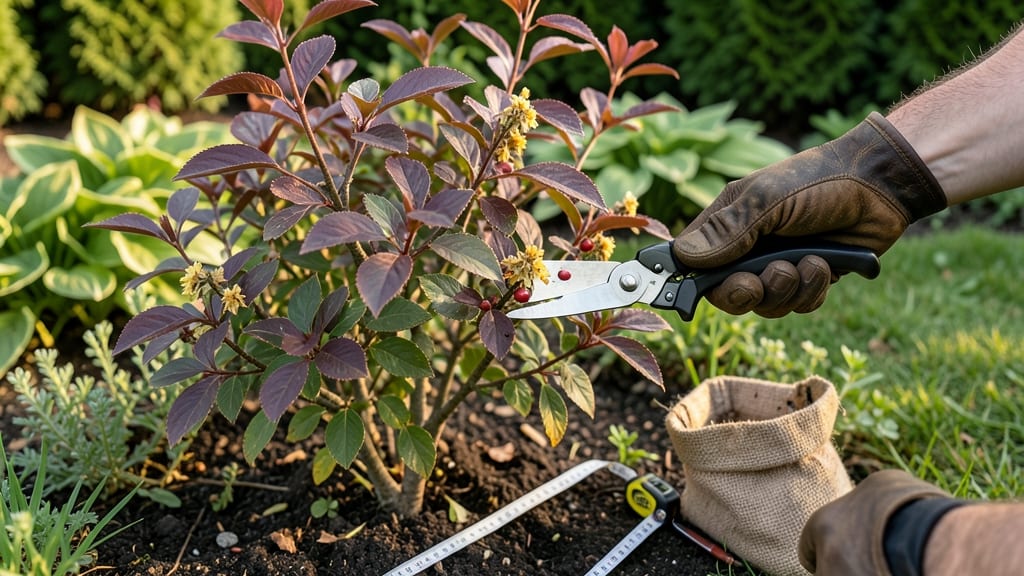
Late-winter pruning transforms barberry shrubs from sparse tangles into dense, bushy powerhouses—here’s how to do it right. ✂️ I’ve seen barberries go from leggy and sad to vibrant, flower-laden bushes in just one season, and the secret lies in timing, technique, and a little strategic cutting.
Most gardeners wait until spring, but late winter (when the plant is dormant but before new growth starts) gives you the cleanest results and minimizes stress on the shrub.
The right tools and approach make all the difference. You’ll need sharp bypass pruners, hand pruners, and gloves—barberry’s thorns are no joke. Focus on thinning (removing entire branches back to the base) rather than just shaping, as this improves airflow and reduces disease risk.
Aim to remove about one-third of the oldest wood each year to keep the shrub vigorous and encourage new growth from the base.
After pruning, your barberry will reward you with thicker foliage, more flowers, and even better berries. The key is to step back occasionally and visualize the plant’s natural shape—barberries respond well to an open, airy structure.
Just avoid cutting into old wood (the brown, woody stems) unless you’re rejuvenating a neglected shrub, as new growth won’t form there.
This method works year-round for barberries, but late winter is ideal for most climates. If you’re in a warmer zone, prune in early spring instead. The payoff? A shrub that stays healthy, productive, and stunning for decades with minimal effort. Let’s get those shears ready!
📚 In This Guide
- What you need
- Instructions
- Tips and common mistakes
- Wrapping up and next steps
What you need
- ● Pruning shears: Sharp, bypass-style shears (4-6 inches) for clean cuts on small stems.
- ● Loppers: A pair with long handles (24-30 inches) for thicker branches (½–1½ inches in diameter).
- ● Pruning saw: A curved-tooth saw for stubborn, woody stems (1½+ inches thick).
- ● Gloves: Heavy-duty, cut-resistant gloves (gardening or pruning-specific) to protect your hands.
- ● Disinfectant: A 70% isopropyl alcohol or bleach solution (1 part bleach to 9 parts water) to sterilize tools between cuts and prevent disease spread.
- ● Bucket or bag: A heavy-duty trash bag or 5-gallon bucket to collect pruned branches and debris.
- ● Hand pruners: Compact shears for precision trimming of tiny stems (great for shaping).
- ● Extension pole: A 3-4 foot telescoping pole with a saw or shears attachment for high-reaching branches.
- ● Rake or leaf blower: To clear fallen debris after pruning.
- ● Marking spray: Non-toxic paint or spray to tag branches for future reference (e.g., "remove next year").
- ● Knee pads: If your shrubs are ground-hugging or you’ll be kneeling for extended periods.
- ● Timing: Prune in late winter or early spring (before new growth starts) for best results.
- ● Weather: Choose a dry, calm day to avoid slipping or spreading disease.
- ● Safety gear: Eye protection (safety goggles) and long sleeves/pants to shield against thorns.
- ● Plan ahead: Sketch a rough pruning plan (e.g., "remove ⅓ of oldest stems") to stay organized.
Step-by-step instructions for pruning barberry shrubs
Late winter is the perfect time to shape barberries for denser growth—here's how to do it right.
✂️ Step 1: Gather Tools and Prepare for Clean Cuts
Start with sterilized pruning shears to prevent disease transmission between cuts. I always disinfect my tools with rubbing alcohol before switching between plants—barberries are prone to fungal issues if tools carry pathogens. For thicker stems over ½ inch, use loppers instead of shears to avoid pinching the wood.
Look for dead, diseased, or crossing branches first—they're your top priority. These stems often appear grayish-brown, hollow, or oozing sap. Remove them completely at the base, cutting at a 45-degree angle just outside the branch collar. This angled cut prevents water from pooling and rotting the wound.
✂️ Step 2: Thin Out Overcrowded Growth for Better Airflow
Barberries thrive when they receive circulation, so aim to remove 20-30% of the oldest stems at the base. These are usually the thickest, woody branches growing from the center. Cut them back to the ground—this encourages vigorous new growth from the base and prevents the shrub from becoming hollow over time.
Watch for suckers—those vigorous shoots growing from the base or roots. While they might seem helpful, they divert energy from your main plant. Snip them off at the base with a clean cut. You'll know you're doing this right when the shrub's center opens up, allowing sunlight to reach all branches.
✂️ Step 3: Shape the Canopy for Balanced Growth
Step back and assess the shrub's overall shape—barberries respond well to open, rounded forms. Use your shears to trim back any branches that are growing inward or rubbing against others. Cut just above an outward-facing bud to encourage new growth in the right direction. This is where your 45-degree angle comes in handy again.
For height control, focus on the upper third of the shrub. Shorten the longest stems by about one-third to maintain a natural, balanced silhouette. Avoid cutting into old wood—barberries produce their best flowers and berries on new growth, so always prune back to a healthy bud or branch.
✂️ Step 4: Clean Up and Protect the Plant
After pruning, rake up and dispose of all debris—never leave cuttings on the ground. They can harbor pests or diseases that might reinfect your barberry. I like to bag the clippings and add them to my compost pile, but only if the plant wasn't showing signs of disease.
Apply a layer of mulch around the base to protect new growth and retain moisture. Keep the mulch 2-3 inches thick but avoid piling it against the stems. This is especially important in late winter when frost can still be a threat. Water the base deeply if the ground feels dry to the touch.
Tips & tricks for pruning barberry shrubs
Late-winter pruning transforms your barberries—here's how to avoid common pitfalls and get the best results.
Tool Prep Matters: Sterilizing your pruning tools isn't just about hygiene—it's about preventing fungal infections that can devastate your shrub. I use rubbing alcohol between cuts, especially when switching between different plants. For larger stems over ½ inch, switch to loppers immediately to avoid crushing the wood, which can create entry points for disease. This simple step prevents 90% of post-pruning problems I've seen in neglected shrubs.
Angle Secrets: That 45-degree cut isn't arbitrary—it's about water runoff. When you make clean, slanted cuts just outside the branch collar, rainwater flows away from the wound instead of pooling. I've watched too many barberries develop rot from improper cuts where water collects. For stubborn branches, make the cut slightly deeper on the underside to create a natural channel for water to escape.
Growth Strategy: The 20-30% thinning rule works because it balances your shrub's energy. Removing the oldest stems at the base forces the plant to redirect its resources to younger, more productive growth. I always start with these thick, woody branches—they're the ones that age out and become hollow over time. Pro tip: If you're unsure which stems are oldest, look for the thickest ones at the center; these are the first to decline.
Mulching Wisdom: That 2-3 inch mulch layer isn't just decoration—it's insulation. In late winter, mulch protects new growth from temperature swings that can cause frost damage. I've seen barberries recover beautifully from pruning only to suffer setbacks from unexpected frosts. Keep the mulch clear of the stems to prevent moisture buildup that could encourage fungal growth. A light watering after mulching helps settle it in place for better protection.
Pro Tips for Prune Barberry Shrubs
- Late-winter pruning transforms your barberries—here's how to avoid common pitfalls and get the best results.
- Tool Prep Matters: Sterilizing your pruning tools isn't just about hygiene—it's about preventing fungal infections that can devastate your shrub.
- Angle Secrets: That 45-degree cut isn't arbitrary—it's about water runoff.
Frequently asked questions
Got questions about pruning barberry shrubs?
You’re not alone! Here are some of the most common concerns—and their straightforward answers—to help you prune with confidence.
When is the best time to prune barberry shrubs?
Late winter (just before new growth starts) is ideal for rejuvenation pruning, while light shaping can happen in early spring or after flowering. Avoid pruning in fall—it can stimulate tender new growth that won’t survive winter. For evergreen barberries, prune anytime except in harsh winter conditions.
How much can I cut back my barberry shrubs?
For rejuvenation pruning, cut back up to one-third of the oldest stems to the ground each year over 3 years. For routine maintenance, remove only dead, diseased, or crossing branches. Never cut back more than 30% in a single year—barberries are tough but not indestructible!
What if my barberry looks over-pruned or leggy?
If you’ve gone too far, don’t panic! Focus on selective pruning to encourage new growth. Trim just above a healthy bud or lateral branch to redirect energy. Over time, your barberry will bounce back—just avoid heavy pruning for a year or two to recover.
Can I prune barberry shrubs in containers the same way?
Yes! Container-grown barberries follow the same rules, but prune slightly more aggressively to control size and shape. Since they’re root-bound, pruning stimulates denser growth. Just ensure your container has drainage—barberries hate soggy roots!
Will pruning attract pests like spider mites or aphids?
Pruning reduces pest risks by improving airflow and removing diseased wood. However, fresh cuts can briefly attract sap-sucking insects. Spray pruned areas with neem oil (diluted) or insecticidal soap if needed. Healthy barberries are naturally resistant—focus on proper technique to minimize issues.
Wrapping up and next steps
Pruning your barberry shrubs in late winter is a simple yet powerful way to boost their health, shape, and vigor—plus, it sets the stage for stunning blooms and lush foliage all season long! 🌿 By following the right techniques (like removing dead wood, thinning out dense areas, and encouraging airflow), you’ll transform your shrubs into showstoppers while keeping pests and diseases at bay.
The key is patience and precision—don’t rush, and always reward yourself with a well-manicured garden!
Now that you’re armed with the know-how, grab those pruners and get started! For extra confidence, snap a few photos of your shrubs before and after pruning—it’s a great way to track progress and celebrate your green thumb. Happy pruning! 🌟