
Pruning
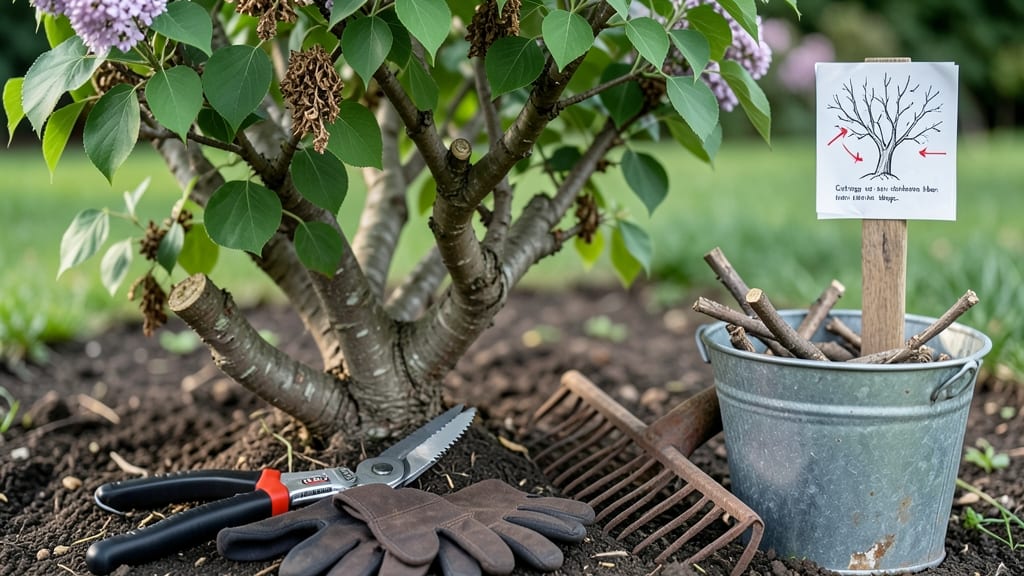
Your lilacs are begging for a fresh start—lilac rejuvenation pruning turns woody, overgrown bushes into lush, blooming powerhouses by late spring. 🌸 I’ve pruned enough neglected lilacs to know the difference between a sad, leggy shrub and one that bursts with fragrant purple clouds every May.
The secret? Timing, technique, and a little elbow grease when they’re dormant.
You’ll need sharp bypass pruners, a saw for thicker stems, and a clear day in late winter or early spring before buds swell. The goal is to remove one-third to one-half of the oldest wood—yes, it sounds drastic, but lilacs reward bold moves.
Start by cutting back the thickest, oldest stems to ground level, then thin out crowded branches to improve airflow. Think of it like giving your lilac a spa day: out with the tired, in with the fresh.
After pruning, your bush will look like a tangled mess—but by June, you’ll see vibrant new growth shooting up from the base. The blooms won’t be as heavy the first year, but by year two, you’ll have a bush that’s denser, healthier, and covered in flowers.
Just avoid fertilizing right after pruning (they don’t need it) and water deeply once or twice to help recovery.
Pro tip: Label branches before cutting if you’re unsure which are oldest—lilacs bloom on new wood, so the stems you remove won’t produce flowers that season. And if you’re nervous about the full rejuvenation, start with light pruning (just thinning out 10-20% of branches) to ease into the process.
Trust me, your lilacs will thank you.
📚 In This Guide
- What you need
- Instructions
- Tips and common mistakes
- Wrapping up and next steps
What you need
- ● Pruning shears: Bypass pruners (sharp, clean, and sterilized with rubbing alcohol or bleach solution—1:10 ratio). Quantity: 1 pair (or 2 if pruning large shrubs).
- ● Lopping shears: For thicker branches (½"–1.5" diameter). Quantity: 1 pair.
- ● Pruning saw: Curved-tooth saw for branches >1.5" in diameter. Quantity: 1.
- ● Gloves: Heavy-duty, cut-resistant gloves (e.g., Mechanix or FrogToggs). Quantity: 1 pair.
- ● Disposable pruning bags: For collecting debris (10–20 gallon capacity). Quantity: 2–3 bags.
- ● Rubbing alcohol (70%+) or bleach solution: To sterilize tools between cuts. Quantity: Small bottle or spray bottle.
- ○ Marking twine or flags: To tag branches for removal (optional but helpful for complex shrubs).
- ● Safety glasses: Protect your eyes from debris.
- ● Ladder (if needed): Sturdy, extendable ladder for tall lilacs (3–6 ft height).
- ● Hand pruners with ratcheting mechanism: For easier cutting on thick branches.
- ● Pruning sealant: To coat larger cuts and prevent disease (e.g., Tanglefoot Tree Wound Pruning Seal).
- ● Sharpener: For maintaining pruner blades (e.g., Felco pruner sharpener).
- ● Wheelbarrow or tarp: For hauling larger debris away from the work area.
- ● Garden hose: To rinse tools and shrub bases post-pruning.
- ● Notebook & pencil: To sketch your lilac’s structure before pruning (great for planning!).
Step-by-Step instructions for lilac rejuvenation pruning
Here's how I transform overgrown lilacs into bushy, blooming powerhouses every dormant season.
⏰ Step 1: Time Your Pruning Perfectly
Wait until late winter or early spring, just as new growth begins but before buds swell. I aim for February to March in most climates—this ensures you cut back old wood while leaving next year's blooms intact. Check your lilacs: if buds are still tight, you're good to go.
Never prune in fall or during bloom time. Cutting after summer blooms removes next year's flower buds entirely. The key is patience—wait until you see green shoots emerging but before leaves unfurl.
✂️ Step 2: Assess and Select Branches to Remove
Start by removing any dead, diseased, or crossing branches first—these are easy to spot. Dead wood snaps when bent, while healthy branches bend slightly. Cut these back to the main stem at a 45-degree angle, about ¼ inch above a bud that faces outward.
Next, identify the oldest stems. Lilacs bloom on last year's growth, so I look for branches thicker than my wrist. These are candidates for partial removal. Keep 3-5 of the strongest, youngest stems—these will produce the most vigorous blooms next spring.
🌿 Step 3: Thin and Shape for Airflow
Step back and visualize your lilac as a rounded dome. Remove branches that grow inward or cross others—these create congestion and invite pests. I aim for an open center where sunlight can reach all stems. Cut branches back to their origin point if they're too crowded.
For shaping, I never cut more than ⅓ of the plant's total volume in one season. This prevents shock. Use clean, sharp pruners to make cuts just above a bud. The goal is to encourage new growth from the base while maintaining the plant's natural shape.
💧 Step 4: Clean Up and Monitor Recovery
After pruning, rake up all debris and dispose of it away from the garden to prevent disease. I water deeply right after pruning to help the plant recover. Lilacs are drought-tolerant once established, but a deep watering every 2 weeks during their first spring encourages strong regrowth.
Watch for new shoots emerging from the base within 4-6 weeks. These indicate successful rejuvenation. Avoid fertilizing immediately—let the plant focus on root and shoot growth before adding nutrients. Mulch lightly with 2-3 inches of organic mulch to retain moisture and suppress weeds.
☀️ Step 5: Maintain Through the Growing Season
Once buds form in late spring, avoid any more pruning until next dormant season. Lilacs need time to establish next year's blooms. I remove spent flowers after they fade to encourage more blooms, but I never cut back into old wood again until winter.
Keep an eye out for pests like borers or aphids. Aphids cluster on new growth, while borers create small holes in stems. Treat with neem oil if needed, but healthy, well-pruned lilacs rarely have issues. With proper care, your rejuvenated lilac will bloom more abundantly than ever next spring.
Tips & tricks for perfect lilac rejuvenation pruning
These are the hard-won lessons that'll help you avoid common mistakes and get the most out of your dormant-season pruning.
Timing is Everything: I can't stress this enough—those February to March dates are critical. If you prune too early, you risk cutting off next year's flower buds. If you wait too long, you'll be pruning into new growth. The "green shoots emerging but before leaves unfurl" cue is your best indicator. Mark your calendar now so you don't miss this narrow window!
The ⅓ Rule: When shaping in Step 3, remember that one-third volume limit is non-negotiable. I've seen people cut back half their plant in one season and end up with sad, stunted growth. If you're unsure, take before photos and measure the volume you're removing. You can always do more next year, but you can't undo over-pruning.
Cutting Technique Matters: That 45-degree angle and ¼-inch above the bud aren't just suggestions—they're crucial for healthy regrowth. The angle helps water run off the cut, and positioning above the bud ensures new growth emerges in the right direction. I keep my pruners sharp with a file to make clean cuts that heal properly. Dull blades crush stems, inviting disease.
Post-Pruning Care: The deep watering right after pruning and that 2-3 inch mulch layer aren't just nice extras—they're essential for recovery. I've seen lilacs struggle when people skip these steps. Think of it like giving your plant a good drink and a warm blanket after surgery. The mulch also prevents weeds from competing with your lilac for nutrients during its recovery phase.
Pro Tips for Lilac Rejuvenation Pruning
- These are the hard-won lessons that'll help you avoid common mistakes and get the most out of your dormant-season pruning.
- Timing is Everything: I can't stress this enough—those February to March dates are critical.
- The ⅓ Rule: When shaping in Step 3, remember that one-third volume limit is non-negotiable.
Frequently asked questions
Got questions about lilac rejuvenation pruning? You’re not alone! Here are answers to the most common queries to help you tackle this task with confidence.
When is the best time to prune lilacs for rejuvenation?
The ideal window is late winter or early spring (before buds swell) or late summer to early fall (after blooming). Pruning during dormancy (winter) minimizes stress, while post-bloom pruning ensures next year’s flowers. Avoid pruning in fall if your region has harsh winters—tender new growth could suffer. Pro tip: Check your USDA zone for precise timing!
How long does it take for lilacs to recover after rejuvenation pruning?
Recovery varies, but lilacs are resilient! You’ll see new shoots within 2–4 weeks of pruning, with full regrowth in 1–2 years. The first year may yield fewer blooms as energy focuses on root and stem growth. Patience pays off—by year two, your lilac should burst back with vibrant, abundant flowers.
Can I use regular pruning shears, or do I need special tools?
For most lilacs, sharp bypass pruners (4–6” blades) are perfect for clean cuts. For thicker stems (over ½”), opt for loppers or a pruning saw. Skip dull tools! Ragged cuts invite disease. Sterilize blades with rubbing alcohol between cuts to prevent bacterial spread. A glove set and pruning sealant (for large cuts) are bonus upgrades.
What if my lilac doesn’t bloom after rejuvenation pruning?
No blooms? Don’t panic! Lilacs need 3–5 years to fully recover after aggressive pruning. Check these fixes:
- Light/Water: Ensure 6+ hours of sun and consistent moisture (but no soggy soil).
- Fertilizer: Apply a balanced 10-10-10 fertilizer in early spring.
- Age: Older lilacs may need renewal pruning (cutting to the ground) every 10–15 years.
- Disease: Yellow leaves or black spots? Prune infected branches immediately.
Are there alternatives to rejuvenation pruning for overgrown lilacs?
Yes! If rejuvenation feels drastic, try these gentler methods:
- Structural Pruning: Thin out 1/3 of the oldest stems annually to improve airflow and light penetration.
- Renewal Pruning (Lighter): Remove only 30–50% of the oldest wood over 2–3 years.
- Layering: Bend low branches to the ground and bury tips to encourage rooting (great for propagation!).
Wrapping up and next steps
Lilac rejuvenation pruning is your secret weapon for transforming tired shrubs into lush, blooming beauties! 🌸 By following this dormant-season blueprint—timing cuts, sharpening tools, and mastering the art of selective pruning—you’re not just trimming; you’re revitalizing your lilacs for years of vibrant spring displays.
The key? Patience and precision—your shrubs will thank you with healthier growth and bountiful flowers.
Ready to take the next step? Grab your pruners, mark your calendar for late winter or early spring, and roll up your sleeves!
Start small with one shrub, and soon, your entire garden will be bursting with color. Need a refresher? Revisit our FAQs or share your progress—we’re cheering you on! 🌿✨