
Pruning
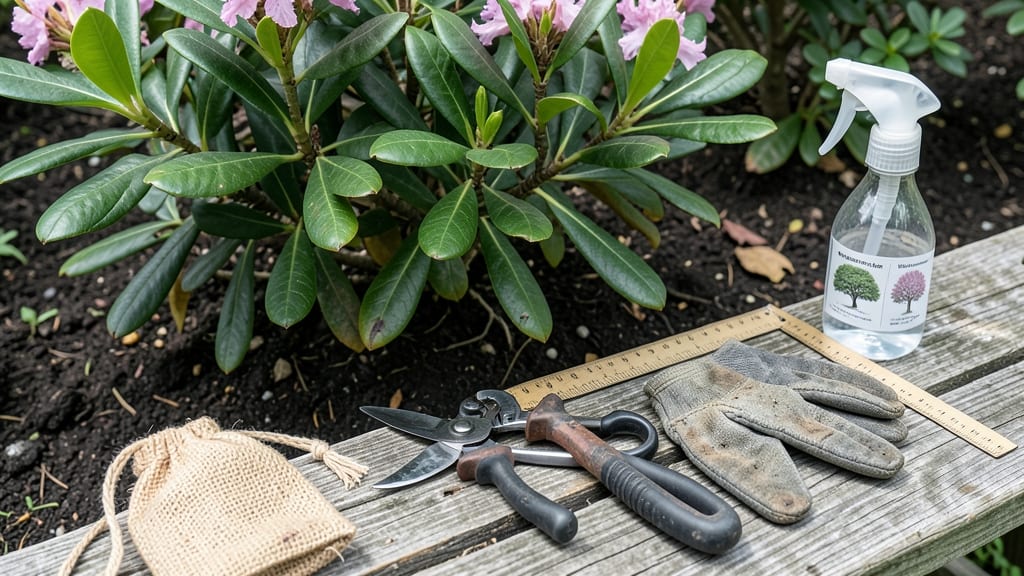
Pruning rhododendrons in late winter unlocks next year’s showstopping blooms—the secret to lush, healthy bushes that thrive for decades. ✂️ I’ve pruned mine for years, and the difference between a well-timed cut and a missed opportunity is dramatic.
Most gardeners wait too long, but the right timing and technique make all the difference.
You’ll need just a few tools: sharp bypass pruners, clean gloves, and a small spray bottle of rubbing alcohol to sanitize cuts. The goal is to remove only dead or crossing branches—never more than one-third of the bush—while shaping it to encourage airflow.
Over-pruning weakens the plant and delays flowering.
After pruning, give your rhododendron a slow-release fertilizer and a deep watering to help it recover. Within weeks, you’ll see fresh, vibrant growth, and by next spring, those blooms will be bigger and more abundant than ever. The key is patience—rhododendrons reward gentle care.
This method works for all rhododendron varieties, whether you’re pruning a towering shrub or a compact ground cover. With the right approach, your bushes will stay healthy, vibrant, and full of life for years to come.
📚 In This Guide
- What you need
- Instructions
- Tips and common mistakes
- Wrapping up and next steps
What you need
- ● Bypass pruners (sharp, clean, and sterilized with rubbing alcohol) – 1 pair (for small branches).
- ● Loppers (for thicker branches, 1.5–2 inches in diameter) – 1 pair.
- ● Hand saw (for stubborn, woody stems) – 1 small pruning saw (8–10 inches).
- ● Gloves (gardening gloves with cut-resistant palms) – 1 pair (to protect from thorns and sap).
- ● Disinfectant (70% isopropyl alcohol or bleach solution – 1 part bleach to 9 parts water) – small spray bottle or cloth.
- ● Trash bags or bucket – 1–2 large bags or a 5-gallon bucket (for clippings).
- ○ Pruning sealant (optional but helpful for large cuts to prevent disease) – small bottle.
- ● Knee pads – If your rhododendron is ground-level or you’ll be kneeling a lot.
- ● Ladder or stool – For taller bushes (4+ feet).
- ● Hose or spray bottle – To rinse tools between cuts (keeps sap from clogging blades).
- ● Notebook & pen – To sketch a pruning plan if you’re unsure where to start.
Step-by-Step instructions for pruning a rhododendron bush
Late winter’s the perfect time to shape your rhododendron—here’s how to do it right for lush, blooming growth.
✂️ Step 1: Gather Your Tools and Assess the Bush
Start with clean, sharp pruning shears—dull blades tear stems and invite disease. I always disinfect them with rubbing alcohol first to prevent spreading any fungal spores lurking from last season. Grab a small bucket too; you’ll collect plenty of clippings.
Examine the bush from all sides, looking for dead, crossing, or crowded branches. Dead wood is easy to spot—it’s brown, brittle, and won’t bend. Crossing branches compete for sunlight and nutrients, so they’re next on the chopping block. Focus on one-third of the oldest stems first; rhododendrons bloom on last year’s growth, so avoid cutting back more than that.
✂️ Step 2: Remove Dead and Problematic Growth First
Snip off any dead or diseased branches at the base where they meet the main stem. Cut at a 45-degree angle, about ¼ inch above a bud or outward-facing growth point. This encourages new shoots to grow outward rather than inward, keeping the bush open and airy.
Next, tackle crossing branches—these rub against each other, creating wounds that weaken the plant. Remove the smaller of the two branches at its origin. If they’re similar in size, cut the one that’s growing less vigorously. Watch for water sprouts (thin, upright shoots) too; these steal energy from flowering. Trim them back to a joint or bud.
✂️ Step 3: Thin Out the Interior for Better Airflow
Rhododendrons thrive when air circulates freely. Use your shears to open up the center by selectively removing branches that block light from reaching the inner stems. Aim to create a vase-like shape—wider at the base, tapering slightly toward the top. This encourages new growth lower on the plant, which will eventually become next year’s blooms.
Cut just above a bud that faces outward—this ensures the new growth will fill in gaps rather than crowd the center. Avoid "heading back" (cutting the tip of a branch) unless you’re shaping for a specific look, as it can stimulate weak, leggy growth. Step back occasionally to check your progress; you want to see light filtering through the bush.
✂️ Step 4: Shape the Outer Canopy for Balance
Now focus on the outer edges. Lightly trim any branches that are growing too long or flopping outward to maintain a natural, rounded silhouette. Cut just above a bud or leaf joint, and avoid removing more than one-third of the branch’s length in one go—this prevents shock.
Pay attention to the top of the bush—if it’s too dense, you can make a few strategic cuts to lift the center and create a more open, airy look. Never shear rhododendrons like a hedge; their beauty lies in their natural, layered form. After shaping, rake up the clippings and compost them—they’re rich in nitrogen and perfect for feeding your rhododendron later.
💧 Step 5: Clean Up and Care for Your Pruned Bush
Once you’re done, water the base deeply to help the plant recover from the stress of pruning. A slow soak—about 1-2 gallons—encourages root growth and replaces moisture lost during trimming. Avoid fertilizing right after pruning; wait until new growth appears in early spring.
Keep an eye on the bush over the next few weeks. If you see yellowing leaves or wilting, it’s a sign of over-pruning or stress. In that case, trim back just a little more from the outer edges to reduce the workload. With proper care, your rhododendron will reward you with vibrant blooms next season—and a fuller, healthier shape year-round.
Tips & tricks for perfect rhododendron pruning
Late-winter shaping transforms your rhododendron from a tangled mess into a showstopper—here's how to avoid common pitfalls and elevate your results.
Tool Prep Matters: Beyond just sharpness, cleanliness is critical. After disinfecting your pruning shears with rubbing alcohol, run a clean cloth along the blades to remove any residual alcohol—it can irritate fresh cuts. For stubbornly dirty shears, soak them in a 1:10 bleach-water solution for 10 minutes, then rinse thoroughly. This prevents spreading fungal spores that could compromise your plant's health during the most vulnerable pruning period.
Visual Cues for Pruning Decisions: In Step 1, when assessing branches, look for the "thumb test"—gently squeeze a branch between your thumb and forefinger. Healthy wood should feel firm and spring back; dead wood will crush easily. For crossing branches, imagine drawing an invisible line from the branch's origin to its tip—if it crosses another branch's path, it's time to remove it. This visual method ensures you're making cuts that improve airflow without over-pruning.
Strategic Cutting Angles: The 45-degree angle mentioned in Step 2 isn't just about aesthetics—it's about water runoff. Cutting at this angle prevents water from pooling at the cut site, which reduces the risk of rot and fungal infections. For thicker branches (over ½ inch), make the cut slightly larger at the top to create a natural water-shedding shape. Always cut just outside the branch collar (that swollen area at the base) to promote faster healing.
Seasonal Timing Insight: Late winter (just before bud break) is ideal because the plant is dormant but hasn't yet started actively growing. If you're in a warmer climate where buds swell earlier, aim to prune 4-6 weeks before you typically see new growth. This timing ensures you're not removing potential flowering stems—rhododendrons bloom on last year's growth, so precision matters.
Pro Tips for Prune A Rhododendron Bush
- Late-winter shaping transforms your rhododendron from a tangled mess into a showstopper—here's how to avoid common pitfalls and elevate your results.
- Tool Prep Matters: Beyond just sharpness, cleanliness is critical.
- Visual Cues for Pruning Decisions: In Step 1, when assessing branches, look for the "thumb test"—gently squeeze a branch between your thumb and forefinger.
Frequently asked questions
Got questions about pruning your rhododendron? You’re not alone!
Here are answers to the most common concerns—so you can confidently shape your bush for stunning blooms next season.
When is the absolute best time to prune a rhododendron?
The ideal window is late winter (just after flowering, if possible) or early spring. This timing avoids disturbing next year’s flower buds while giving the plant time to recover before summer heat. Pro tip: If you miss late winter, wait until after the bush blooms—never prune in fall or during active growth.
Can I prune a rhododendron too much? What’s the risk?
Yes! Over-pruning (cutting back more than 1/3 of the plant) can stress your rhododendron, leading to sparse blooms or even dieback. Focus on shaping and removing dead wood—never strip branches to bare wood. Warning: Heavy pruning may delay flowering for 1-2 years while the bush recovers.
Do I have to prune my rhododendron? What if I skip it?
Nope! Rhododendrons are low-maintenance and can thrive with no pruning at all. However, pruning improves airflow (reducing pests/disease), shapes the bush, and encourages bigger, showier blooms. If your plant is healthy and blooms well, skip it—but prune if branches are leggy, crowded, or dead.
What should I do if my rhododendron won’t bloom after pruning?
Bloomless rhododendrons often signal over-pruning or stress. Check these fixes:
- Ensure you’re not cutting into old wood (blooms form on new growth from last year’s stems).
- Fertilize lightly with acidic, rhododendron-specific fertilizer in early spring.
- Water deeply if the soil is dry—stress = fewer flowers.
- Wait a year: Some varieties need time to rebound after heavy pruning.
Can I prune a rhododendron in summer? What about fall?
Summer pruning: Avoid it! Pruning in hot months stresses the plant and can invite pests. Fall pruning: Also a no-go—new growth risks frost damage, and buds set for next year’s flowers. Stick to late winter/early spring for the safest results. Exception: Remove only dead or diseased branches anytime.
Bonus Tip: How do I tell if a branch is dead vs. dormant?
Scratch the bark with your fingernail:
- Dead wood: Dark, crumbly, or no green underneath.
- Dormant (alive!) wood: Greenish or moist under the bark.
Wrapping up and next steps
Pruning your rhododendron in late winter isn’t just about tidying up—it’s your secret weapon for showstopping blooms next season! By following the right timing, tools, and techniques, you’ll encourage healthier growth, better airflow, and those lush, vibrant flowers you adore. 🌸✨
Ready to roll up your sleeves? Grab those pruners and give your rhododendron the care it deserves. Next, why not explore how to mulch or fertilize for even more impact? Your garden’s future beauty starts with these small, rewarding steps!