
How To
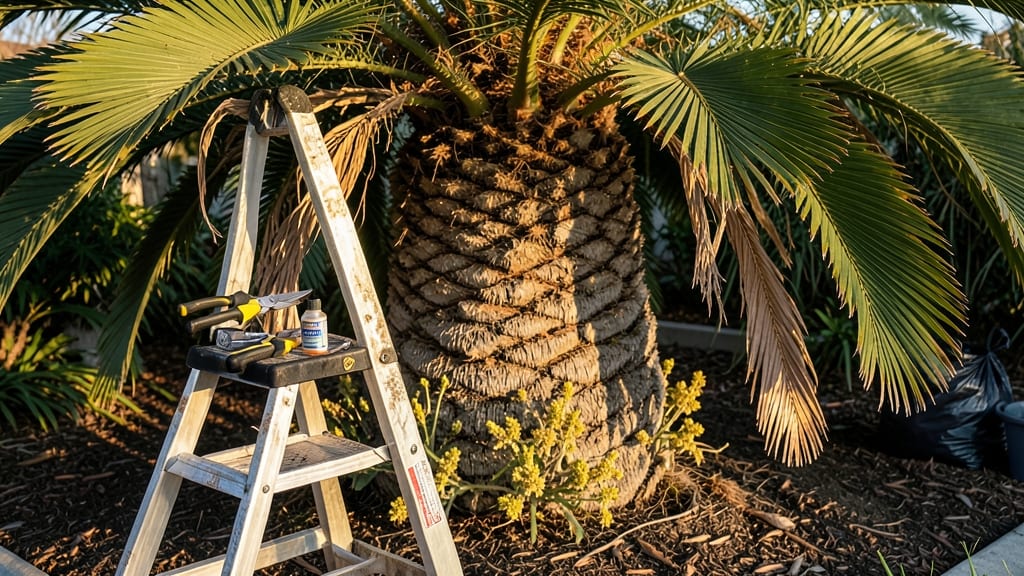
Pruning a palm tree isn’t just about aesthetics—it’s the secret to keeping your tree stronger and healthier for years. ✂️ I’ve watched palms go from ragged and struggling to thriving just by following a few key steps, and the best time to start is when you notice dry fronds or overcrowded growth at the base.
You’ll need basic tools like sharp pruners or a handsaw, gloves, and a ladder (or a tall friend) for safety. The goal? Remove only dead or dying fronds—never more than one-third of the crown at once—to avoid shocking the tree.
After trimming, clean up debris to prevent pests, and water deeply to help it recover.
📚 In This Guide
- What you need
- Instructions
- Tips and common mistakes
- Wrapping up and next steps
What you need
- ● Pruning saw or chainsaw: A sharp, heavy-duty pruning saw (for smaller fronds) or a chainsaw with a long bar (for thicker trunks or larger palms). Look for a saw with a 10-14 inch blade for precision cuts.
- ● Ladder or lift: A stable, extendable ladder (20-30 ft, depending on tree height) or a cherry picker (if working with very tall palms). Always secure it properly!
- ● Heavy-duty gloves: Cut-resistant gloves (like Mechanix or similar) to protect your hands from saw blades and sharp fronds.
- ● Safety glasses or goggles: Protect your eyes from debris—ANSI-rated goggles are ideal.
- ● Work boots or steel-toe shoes: Sturdy footwear with slip-resistant soles to prevent falls.
- ● Pruning shears or loppers: For trimming smaller branches or fronds (8-12 inch blades for reach).
- ● Disposable gloves or trash bags: For handling fronds—palm sap can stain!
- ○ Rope or harness (optional but recommended): If working at heights, a fall arrest harness adds an extra layer of safety.
- ● Disinfectant (70% isopropyl alcohol or bleach solution): Clean tools between cuts to prevent disease spread.
- ○ Tree wound dressing (optional): For large cuts, a pruning sealant can help protect the tree (though many experts debate its necessity).
- ● Extension pole saw: For hard-to-reach fronds without climbing.
- ● Work buddy: Having someone spot you or hold the ladder adds safety and convenience!
Step-by-step guide for pruning a palm tree safely
Pruning palms isn't just about looks—it keeps them healthy and prevents dangerous debris. Here's my foolproof method for doing it right.
✂️ Step 1: Assess the Tree and Gather the Right Tools
Start by examining your palm closely. Look for dead fronds (brown, brittle leaves) hanging down or fruits weighing branches down. These are your first targets. I always prune in dry weather—wet conditions make cuts heal slower and invite fungal infections.
Grab your sharp bypass pruners (never dull tools—they tear fibers) and a pole saw for higher fronds. Wear heavy gloves and eye protection—palm fibers are razor-sharp, and falling debris can cause serious injury. I keep a bucket nearby to collect cut fronds for composting later.
🌿 Step 2: Remove Dead Fronds and Fruits First
Begin with the lowest dead fronds—these are easiest to reach and often weigh down the tree. Cut them at the base of the stem, where the frond meets the trunk. Make clean cuts parallel to the trunk to avoid damaging healthy tissue. If a frond is still green but drooping, wait—it might still be alive.
For fruit clusters, snip them off completely. Leaving them can attract pests and create messy cleanup later. I like to work my way upward, removing one frond at a time so I don’t overload the tree. Stop if you notice sap bleeding heavily—this means you’ve cut into living tissue, and the tree needs time to seal the wound.
☀️ Step 3: Prune Selectively for Shape and Airflow
Now focus on live fronds that are blocking sunlight or crowding the trunk. Remove no more than 10% of the fronds in one session—palms are sensitive to over-pruning. I target fronds growing inward or blocking airflow, as these can trap moisture and cause rot.
Cut just above the point where the frond meets the trunk, making sure to leave a small stub (about ½ inch) to prevent water from pooling. Avoid cutting into the trunk itself—palms don’t heal like other trees, and deep cuts can kill the tree. If you’re unsure, step back and imagine how the tree will look without that frond.
⏰ Step 4: Clean Up and Monitor for Recovery
After pruning, disinfect your tools with rubbing alcohol to prevent spreading disease between cuts. Collect all debris and remove it from the area—leaving fronds on the ground can harbor pests. I water the base of the tree lightly afterward to help it recover, but avoid soaking the trunk.
Watch for new fronds emerging in 4-6 weeks—this is your sign the tree is thriving. If you see yellowing leaves or oozing sap at the cuts, you may have pruned too aggressively. Next time, remove even fewer fronds and focus on healthier sections of the tree.
🪴 Step 5: Schedule Regular Maintenance
Palms don’t need heavy pruning often—once a year is plenty for most varieties. I mark my calendar for late winter or early spring before new growth starts. This timing gives the tree time to heal before summer heat stress. If your palm has pests or disease, prune only the affected areas and dispose of them in a sealed bag.
Over time, you’ll notice better airflow, fewer pests, and a neater shape. The key is patience—palms grow slowly, and rushing the process can harm them. With each pruning, you’ll get better at spotting what needs removal and what should stay.
Tips & tricks for pruning a palm tree safely
Pruning palms the right way keeps them thriving—and prevents costly mistakes. Here's what I've learned after years of working with these tropical giants.
Tool Prep: Sharp tools are non-negotiable. Dull pruners tear fibers instead of cutting cleanly, which stresses the tree and invites infections. I always test my bypass pruners by cutting through a few sheets of newspaper—if it drags, it's time to sharpen or replace them. For higher fronds, a pole saw with a curved blade works best, but make sure it's properly balanced to avoid straining your arms.
The 10% Rule: Never remove more than 10% of the fronds in one session, no matter how tempting it is to give your palm a dramatic makeover. This 10% guideline prevents shock to the tree, which can lead to yellowing leaves or even death. If you're unsure how much that is, count the total fronds and calculate 10%—I've seen people accidentally remove 30% in one go and regret it immediately.
Stub Size Matters: When cutting live fronds, leaving a ½-inch stub is crucial. This small stub prevents water from pooling at the cut site, which can cause rot. I use my thumb as a guide—when I hold my pruners at the cutting point, my thumb should just cover the stub. If you cut too close to the trunk, you risk exposing the tree to pests and diseases that enter through open wounds.
Seasonal Timing: Late winter or early spring is the perfect window for pruning because it gives your palm time to heal before summer's heat stress. I schedule my pruning right before the new growth starts, usually around February. Avoid pruning during wet seasons—moisture slows healing and can lead to fungal infections. If you must prune in summer, do it on a dry, sunny day when the tree has time to recover before evening dew sets in.
Pro Tips for Prune A Palm Tree
- Pruning palms the right way keeps them thriving—and prevents costly mistakes.
- Tool Prep: Sharp tools are non-negotiable.
- The 10% Rule: Never remove more than 10% of the fronds in one session, no matter how tempting it is to give your palm a dramatic makeover.
Frequently asked questions
Got questions about pruning your palm tree? Here are answers to the most common concerns—from timing to tools—to keep your tree thriving without the guesswork.
When is the best time of year to prune a palm tree?
The ideal time is late winter or early spring (just before new growth begins). Avoid pruning during extreme heat or cold, as it stresses the tree. For tropical palms, you can prune year-round—but always choose a dry, mild day. Pro tip: Prune after a storm if branches are damaged, but prioritize healthy growth seasons for routine maintenance.
Do I need special tools to prune a palm tree?
Yes! Basic tools include pruning shears, a handsaw, or a pole saw for tall branches. For large palms, a chainsaw may be necessary (wear safety gear!). A ladder or lift is also essential—never climb the tree yourself. Rent or borrow tools if you don’t own them; many hardware stores offer pruning kits for rent.
What if I cut too much off? Can I over-prune a palm tree?
Over-pruning weakens the tree, making it vulnerable to pests, disease, or even death. Never remove more than 10–15% of the fronds at once. Focus on dead, diseased, or hanging fronds—healthy fronds (even if brown) help the tree photosynthesize. If you’ve already over-pruned, stop immediately and let the tree recover with proper watering and fertilization.
Can I prune a palm tree in the summer? What about rain?
Pruning in summer is risky—heat stress and pests thrive in warm weather. If you must prune, do it early in the morning to avoid midday sun. Avoid pruning before rain (wet fronds are heavier and harder to handle), but pruning after a light shower is fine if the tree is dry. Never prune during storms—wait until the tree is stable and weather is calm.
What should I do if my palm tree gets pests or fungus after pruning?
Pruning creates open wounds, so sterilize tools with rubbing alcohol before and after use to prevent disease spread. If pests (like palm weevils) or fungus appear,
- Apply neem oil or insecticidal soap for mild infestations.
- Use fungicides (like copper-based sprays) for fungal issues.
- Contact a certified arborist if the problem persists.
Bonus: How do I dispose of palm fronds safely?
Cut fronds can harbor pests or diseases, so don’t leave them near your tree. Bag them for trash pickup or compost them (if free of pests). For large quantities, check local regulations—some areas offer bulk waste removal or mulching services. Never burn palm fronds (they release toxic fumes).
Wrapping up and next steps
Pruning your palm tree doesn’t have to be intimidating—with the right tools, timing, and technique, you can keep your tree thriving while enhancing its beauty. 🌿 Remember to prioritize safety, remove dead fronds, and avoid over-pruning to maintain your palm’s health.
Now that you’re equipped with the know-how, grab your pruners and give your palm tree the care it deserves!
Ready to take it further? Consider consulting a local arborist for complex pruning jobs or if your palm tree has unique needs. Happy pruning! ✂️