
Pruning
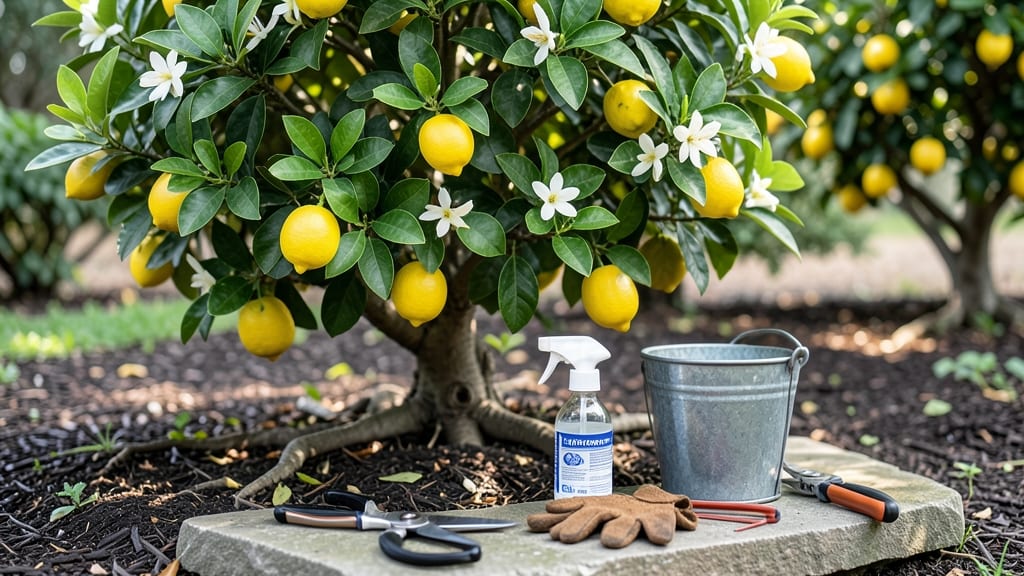
Pruning your lemon tree isn’t just about shaping—it’s the secret to juicier fruit and fewer diseases. 🌿 I’ve learned that most gardeners prune too late or too aggressively, but the right cuts in the right season make all the difference.
The key? Timing, tools, and a little patience to avoid shocking the tree.
You’ll need sharp pruning shears, a sterilized saw for thicker branches, and a clean cloth to wipe cuts—no fancy tools, just the essentials. Start by removing dead or crossing branches first, then shape the tree to let sunlight reach the center.
Most pruning happens in late winter or early spring, but light maintenance can happen year-round if needed.
After pruning, your tree will reward you with thicker branches, more blooms, and sweeter lemons. Just avoid cutting into old wood (it won’t regrow) and never remove more than 25% of the canopy at once.
The first few cuts might feel hesitant, but trust the process—your tree will thank you with a harvest that tastes like summer.
This method works for both dwarf and standard lemon trees, whether you’re growing in pots or in the ground. The same principles apply, so you’ll get consistent results no matter your setup. Ready to transform your tree into a fruiting powerhouse? Let’s get pruning!
📚 In This Guide
- What you need
- Instructions
- Tips and common mistakes
- Wrapping up and next steps
What you need
- ● Bypass pruning shears – Sharp, clean, and sterilized (to prevent disease). Look for a 6-8 inch blade for medium branches.
- ● Loppers – For thicker branches (½ inch to 2 inches in diameter). Choose bypass-style to avoid crushing.
- ● Hand pruners (felco or similar) – For precise cuts on smaller branches (¼ inch to ½ inch). Must be sharp!
- ● Garden saw (pruning saw) – For branches thicker than 2 inches. A curved blade works best for tight spaces.
- ● Disinfectant (70% isopropyl alcohol or bleach solution) – Clean tools between cuts to prevent bacterial/fungal spread.
- ● Gloves (gardening or cut-resistant) – Protects hands from thorns, sap, and debris.
- ○ Pruning sealant (optional but helpful) – A wound dressing (like Tanglefoot Tree Wound Pruning Sealer) to coat cuts on larger branches (over ½ inch).
- ● Bucket or bag for trimmings – Collect debris to compost or dispose of properly.
- ● Ladder or step stool – If your tree is taller than 6 feet. Safety first! Use a sturdy, non-slip ladder.
- ● Sharpie or permanent marker – Label cuts if you’re doing structured pruning (e.g., marking branches to remove later).
- ● Rubbing alcohol wipes – Quick tool sterilization between cuts.
- ● Safety glasses – Protects eyes from flying debris, especially when sawing.
- ● Pruning saw with a foldable blade – Easier to store and carry if you travel with your tools.
- ● Tree pruning guide or diagram – Helps visualize the ideal shape for your lemon tree.
Step-by-step instructions for pruning a lemon tree
Here's how I shape my lemon tree for health, airflow, and fruit production—no fancy tools needed.
✂️ Step 1: Prune for Structure in Early Spring
Start when your tree is just waking up from dormancy—typically late February to early March in most climates. This is when new growth begins, and the tree can heal quickly. I focus on removing dead, diseased, or crossing branches first. These are easy to spot: dead branches snap when bent, diseased ones ooze sap or have black spots, and crossing branches rub against each other, creating wounds where pests love to hide.
Next, cut back any suckers—those vigorous shoots growing from the base or trunk. They steal energy from your fruit-bearing branches. Use clean, sharp pruners to make cuts at a 45-degree angle, about ¼ inch above a leaf node or outward-facing bud. This encourages new growth in the right direction. I like to shape the tree into an open vase form, which lets sunlight and air reach the center where fruit develops.
☀️ Step 2: Thin Fruit Clusters in Summer
Once your tree is flowering and small fruits appear, it’s time to thin. Overcrowded fruit means smaller, sour lemons. I wait until fruits are golf-ball sized—around June or July—then remove all but 2-3 fruits per cluster. This might sound cruel, but it’s like giving each lemon room to grow. Use your fingers or pruners to gently twist off excess fruit at the stem. Avoid tearing the branch, which can introduce disease.
While you’re at it, check for water sprouts—those fast-growing, vertical shoots that pop up in the canopy. These are energy vampires. Snip them off at the base. You’ll notice the tree looks fuller and more balanced after this step. The remaining fruits will plump up beautifully with room to grow.
✂️ Step 3: Light Pruning After Harvest
After your lemons are picked—usually fall to early winter—give your tree a light trim. Focus on deadheading spent flowers and lightly shaping any branches that grew too leggy during the season. I avoid heavy pruning now because the tree is preparing for dormancy, and fresh cuts can slow down healing. Instead, just tidy up and remove any branches that look weak or diseased.
This is also the time to check for sap-sucking pests like aphids or scale. If you spot them, wipe branches with a neem oil solution (1 tsp neem oil + 1 quart water) or insecticidal soap. A healthy tree is less prone to pests, and a clean canopy means better air circulation for next year’s blooms.
⏰ Step 4: Winter Dormancy Pruning (Optional)
If your tree is young or vigorous, you can do a light structural prune in late winter—just before buds swell. This is where you fine-tune the shape you started in spring. Remove any branches that grew in the wrong direction or are rubbing together. I like to step back and look at the tree from all sides to ensure it’s balanced. Avoid cutting more than 25% of the canopy in one season, or you’ll stress the tree.
Here’s the thing—lemon trees are forgiving. If you miss a pruning window, don’t stress. Just focus on removing dead wood and thinning fruit in the next growing season. The key is consistency. Over time, your tree will reward you with juicier, sweeter lemons and a stronger structure to handle years of harvests.
Tips & tricks for pruning a lemon tree
Real talk: Pruning a lemon tree isn't rocket science, but these small details make all the difference between a healthy, fruit-bearing tree and one that struggles. Here's what I learned the hard way after watching my first few trees get over-pruned.
Timing is Everything: The late February to early March window for your first prune isn't just arbitrary—it's when your tree naturally wakes up from dormancy. This timing lets the fresh cuts heal quickly before summer heat arrives. I've seen trees stressed by spring pruning too early when they're still dormant, so mark your calendar for that late winter date!
Shape Matters More Than You Think: That open vase shape I mentioned? It's not just for looks. The center of your tree needs sunlight and airflow to prevent fungal diseases and pests. Step back every few cuts to visualize how sunlight will reach all parts of the canopy. I learned this after my first tree developed a fungal spot in the center—don't make my mistake!
Thinning Fruit Creates Juicier Lemons: Those golf-ball sized fruits in Step 2 might look tempting, but leaving just 2-3 per cluster gives each lemon room to grow plump and sweet. I used to think more fruit meant more harvest, but the opposite is true—overcrowded fruit stays small and sour. Trust me, your taste buds will thank you when you bite into that perfectly sized lemon.
Pest Prevention Starts Now: The neem oil solution in Step 3 isn't just for treating pests—it's preventive care. Mix that 1 tsp neem oil + 1 quart water solution every fall and spray it on your tree even if you don't see pests. It creates a protective barrier that keeps aphids and scale from taking hold. I've seen trees go from pest-free to infested in one season when I skipped this step.
Pro Tips for Prune A Lemon
- Real talk: Pruning a lemon tree isn't rocket science, but these small details make all the difference between a healthy, fruit-bearing tree and one that struggles.
- Timing is Everything: The late February to early March window for your first prune isn't just arbitrary—it's when your tree naturally wakes up from dormancy.
- Shape Matters More Than You Think: That open vase shape I mentioned?
Frequently asked questions
Got questions about pruning your lemon tree? You’re not alone! Here are answers to the most common concerns—so you can keep your tree healthy and productive with confidence.
When is the best time to prune a lemon tree?
Prune your lemon tree twice a year: late winter/early spring (before new growth) for major shaping, and summer (after harvest) to encourage fruiting. Avoid pruning in fall—it can stress the tree before winter. Young trees (under 3 years) need lighter pruning to establish structure.
How much can I trim off my lemon tree?
Never remove more than 25-30% of the tree’s foliage in one session. Over-pruning weakens the tree and reduces fruit production. Focus on selective cuts: dead branches, crowded growth, and water sprouts. For mature trees, aim for 10-15% annually to maintain balance.
Will pruning my lemon tree reduce fruit yield?
Not if done correctly! Pruning actually boosts fruit quality and quantity by improving airflow and sunlight penetration. Remove suckers (shoots growing from the base or trunk) and overcrowded branches—these compete for energy. Thin out clusters to 3-5 lemons per branch for larger, sweeter fruit.
What if my lemon tree bleeds sap after pruning?
Sap bleeding (a sticky, milky liquid) is normal but can attract pests like ants. To minimize it, prune on a dry day and avoid cutting into old wood. Seal cuts with pruning sealant (optional) or let them dry. If bleeding is excessive, your tree may need less aggressive pruning next time.
Can I prune a lemon tree in containers?
Yes! Container-grown lemon trees need more frequent pruning (every 6-12 months) due to limited space. Use the same techniques as outdoor trees but avoid heavy cuts—root-bound trees stress easily. Repot every 2-3 years to refresh soil and encourage new growth.
What if I skip pruning entirely?
Your tree won’t die, but it’ll become overcrowded, disease-prone, and less productive. Without pruning, branches grow inward, blocking light and air, which leads to fungal issues and smaller fruit. Even a light annual trim keeps your lemon tree thriving!
Wrapping up and next steps
Pruning your lemon tree is a rewarding way to boost fruit production, improve airflow, and keep your tree healthy—so don’t let it feel like a chore!
With the right tools, timing, and technique, you’ll be well on your way to a thriving, fruitful citrus companion. Now that you’re armed with the know-how, why not take the next step? Grab those pruners, head outdoors, and give your lemon tree the care it deserves. Happy pruning—and here’s to that juicy harvest! 🍋✨