
How To
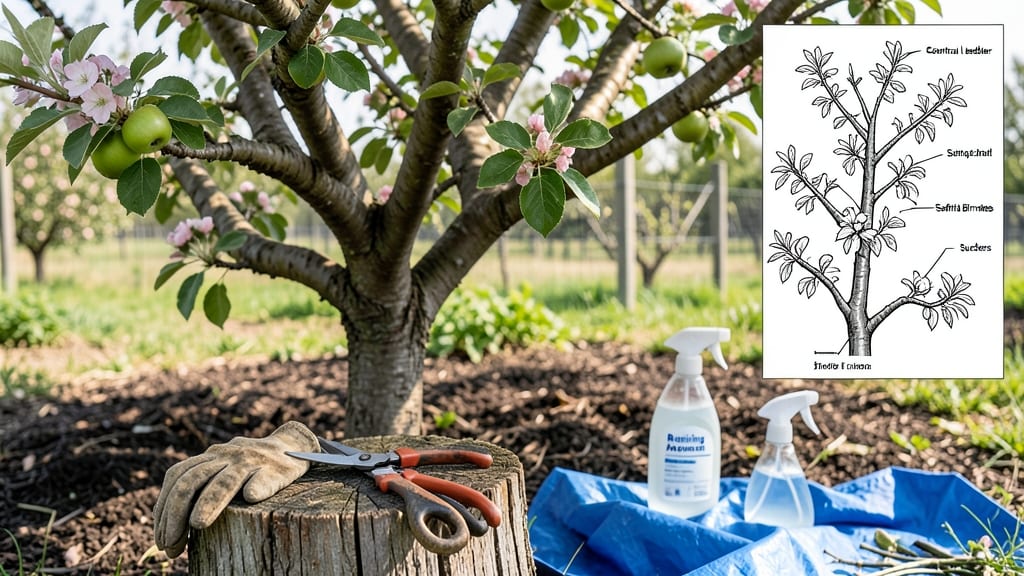
Pruning a fruit tree isn’t just about hacking away at branches—it’s the secret to bigger harvests and stronger trees. ✂️ I’ve turned my neglected peach tree into a productive powerhouse by learning the right cuts, timing, and techniques.
The key? Pruning isn’t seasonal—it’s a year-round game plan that keeps your tree healthy, open to sunlight, and loaded with fruit.
You’ll need sharp pruners, a saw for thicker branches, and a clear plan for three pruning phases: dormant season (winter), early spring, and summer. The goal is to remove dead wood, shape the tree, and encourage new growth where it matters most—without overdoing it.
One wrong cut can take years to fix, so we’ll focus on clean cuts, proper angles, and strategic branch selection to keep your tree thriving for decades.
📚 In This Guide
- What you need
- Instructions
- Tips and common mistakes
- Wrapping up and next steps
What you need
- ● Pruning shears (bypass pruners) – Sharp, bypass-style shears (not anvil) for clean cuts on small branches (Recommended: Felco F-2 or Corona Tools.
- ● Loppers – For branches ¾ to 1½ inches thick. Opt for bypass loppers with a 10-12 inch handle for leverage.
- ● Pruning saw – A curved-tooth saw for thick branches (> 1½ inches). Look for a 7-10 inch blade with a comfortable grip.
- ● Gloves – Heavy-duty, cut-resistant gloves (e.g., Mechanix or Filson) to protect hands from thorns and sharp tools.
- ● Safety glasses – To shield eyes from debris and sap splatter.
- ● Pole pruner – Extends reach for high branches (10–15 feet).
- ● Rubbing alcohol or bleach – For sterilizing tools between cuts (1 part bleach to 9 parts water).
- ○ Sealing wax or pruning paint – To cover large cuts (> ½ inch) and prevent disease (optional for small trees).
- ● Ladder or step stool – Sturdy and tall enough to safely reach upper branches.
- ● Disposable bags or bucket – For collecting pruned branches and debris.
- ● Knowledge of your tree’s variety – Research pruning needs (e.g., apple vs. citrus vs. peach).
- ● Weather check – Prune on a dry, calm day (avoid rain or wind).
- ● Time of year – Most fruit trees are pruned in late winter/early spring (dormant season), but some (like citrus) prefer summer.
- ● Tree health assessment – Inspect for diseased or dead branches before starting.
Step-by-step guide to pruning a fruit tree
Here's the method I've used for years—it keeps trees productive, disease-free, and full of fruit.
✂️ Step 1: Gather the Right Tools and Timing
Start by sharpening your pruning tools—dull blades tear bark and invite infections. Use bypass pruners for branches under ½ inch thick and a pruning saw for anything larger. Disinfect tools between cuts with rubbing alcohol to prevent spreading disease. The best time to prune most fruit trees is late winter or early spring, just before buds swell but before new growth begins.
If you must prune in summer, do it immediately after harvest to avoid stressing the tree. Avoid heavy pruning in fall—it stimulates new growth that won't harden off before winter. Watch for the first signs of bud break; that's your cue to finish pruning before leaves emerge.
🌿 Step 2: Remove Dead, Diseased, or Crossing Branches
Scan the tree from top to bottom, cutting out any branches that are dead (brown, brittle), diseased (mushrooms, ooze), or crossing (rubbing against others). These are the easy wins—removing them opens the canopy to better airflow and sunlight. Make cuts just outside the branch collar (the swollen area where the branch meets the trunk) at a 45-degree angle.
Never leave stubs—they rot and attract pests. If a branch is too large to cut cleanly in one go, make a notch on the underside first, then remove the top section. I always start with the smallest branches first; it's easier to see the tree's structure as you work.
☀️ Step 3: Thin the Canopy for Light Penetration
Next, focus on thinning the interior branches to let sunlight reach the center of the tree. Remove up to 25% of the tree's foliage by selecting branches that grow inward or upward. Aim for an open vase shape—this encourages fruit development and reduces disease risk. Look for branches that are too close together; keep the strongest one and remove the weaker competitor.
Step back often to visualize the tree's shape. You want a balanced silhouette with no heavy clusters of branches on one side. If you're unsure, take a photo first—it's easier to spot imbalances from a distance. Avoid cutting more than ¼ of the tree's total branches in one season unless it's an overgrown specimen.
⏰ Step 4: Shape for Airflow and Fruit Production
Now refine the tree's structure by pruning branches that grow toward the center or downward. These water sprouts (fast-growing vertical shoots) should be removed entirely—they sap energy from fruit production. For horizontal branches, cut back to a bud that faces outward to encourage growth in the right direction.
On bearing trees, shorten last year's fruit spurs (short, stubby branches) by ⅓ to ½ their length to stimulate new fruiting wood. You'll see these as small, stubby branches with clusters of fruit. Avoid heavy pruning on young trees—focus on establishing a strong scaffold first.
🪴 Step 5: Clean Up and Monitor Recovery
After pruning, rake up and dispose of all debris—this removes hiding spots for pests and diseases. Apply a wound dressing only if the tree is stressed or in a harsh climate; otherwise, let the tree seal its own cuts naturally. Water deeply if the ground isn't saturated, especially if you pruned in dry weather.
Watch the tree closely for the first 2-3 weeks—new growth should appear within that time. If you see yellowing leaves or wilting, you may have pruned too aggressively. For the next 1-2 years, avoid heavy pruning; let the tree recover its strength. The goal is healthier growth, not bigger branches.
Tips & tricks for pruning fruit trees like a pro
Pruning your fruit trees properly can transform your harvest—here's how to avoid common mistakes and get the best results every season.
Tool Prep is Non-Negotiable: Before you make a single cut, sharpen your bypass pruners and pruning saw—dull tools crush bark instead of cleanly cutting it. I learned this the hard way after watching a tree develop cankers from jagged cuts. Disinfect tools between cuts with rubbing alcohol (especially when moving between trees) to prevent spreading fungal diseases like silver leaf or fire blight. This step takes 5 minutes but saves months of recovery time.
Timing Secrets for Different Seasons: The late winter/early spring window (just before bud break) is ideal because the tree is dormant but about to burst into growth. In summer, prune immediately after harvest to avoid stressing the tree, but never remove more than 25% of foliage in one go. For fall pruning, stick to minimal cleanup cuts only—never shape the tree. I've seen trees stressed by fall pruning produce fewer flowers the following spring.
Visualize the Tree's Future Shape: Step back every 10-15 minutes and imagine how the tree will look after all cuts. You're not just removing branches—you're sculpting a framework that will support fruit production for years. Look for branches that grow toward the center (they'll compete for sunlight) and those growing downward (they'll block airflow). The goal is an open vase shape where sunlight can reach the center and air can circulate freely. I always sketch a rough outline on paper first.
Recovery Monitoring is Key: After pruning, watch your tree closely for the first 2-3 weeks—new growth should appear within that time. If you see yellowing leaves or wilting, you've likely pruned too aggressively. For the next 1-2 years, avoid heavy pruning; let the tree rebuild its energy reserves. I've seen dramatic turnarounds when I gave over-pruned trees a year of recovery before shaping them again.
Pro Tips for Prune A Fruit Tree
- Pruning your fruit trees properly can transform your harvest—here's how to avoid common mistakes and get the best results every season.
- Tool Prep is Non-Negotiable: Before you make a single cut, sharpen your bypass pruners and pruning saw—dull tools crush bark instead of cleanly cutting it.
- Timing Secrets for Different Seasons: The late winter/early spring window (just before bud break) is ideal because the tree is dormant but about to burst into growth.
Frequently asked questions
Got questions about pruning fruit trees? You’re not alone! Here are answers to the most common concerns—from timing to tools—to help you prune like a pro.
When is the best time to prune a fruit tree?
The ideal time depends on your tree type. For most fruit trees, late winter or early spring (just before buds swell) is best. Summer pruning can help control growth, but avoid heavy cuts. Ever-bearing fruit trees (like strawberries) may need light pruning after harvest. Pro tip: Never prune in fall—it invites pests and diseases!
Can I prune a fruit tree in summer?
Yes, but keep it light! Summer pruning helps manage size, improve airflow, and encourage fruit production. Focus on removing water sprouts (fast-growing vertical shoots) and thinning crowded branches. Avoid heavy cuts—this stresses the tree. Best for: Peaches, plums, and apples. Just water well after pruning!
What if I prune at the wrong time?
Mistakes happen! Pruning too late in winter can expose the tree to cold damage, while summer pruning risks stress. If you’ve over-pruned, don’t panic—your tree will recover. Just avoid heavy cuts next time and focus on gradual shaping. Over time, proper timing will boost fruit yield and tree health.
Do I need special tools to prune?
Basic tools work great! A sharp pruning saw for thick branches, loppers for medium-sized limbs, and hand pruners for small cuts are essential. Sterilize tools with rubbing alcohol to prevent disease spread. Bonus: A pruning sealant can help large cuts heal faster (though many experts skip it).
How do I know if I’ve pruned too much?
If you’ve removed more than 25% of the tree’s foliage in one go, you’ve likely over-pruned. Signs include yellowing leaves, stunted growth, or fewer flowers/fruit next season. Fix it: Reduce future cuts, water deeply, and fertilize lightly. Patience helps—trees recover with time!
Wrapping up and next steps
Pruning your fruit tree isn’t just about trimming branches—it’s about inviting healthier growth, better yields, and a thriving orchard! 🌱 With the right tools, timing, and techniques, you’ve got everything you need to keep your tree flourishing year after year.
Now that you’re armed with knowledge, roll up your sleeves and give your tree the care it deserves—your future harvests will thank you!
Ready to take it further? Start by observing your tree’s progress and adjust your pruning plan as needed. Happy gardening!