
Pruning
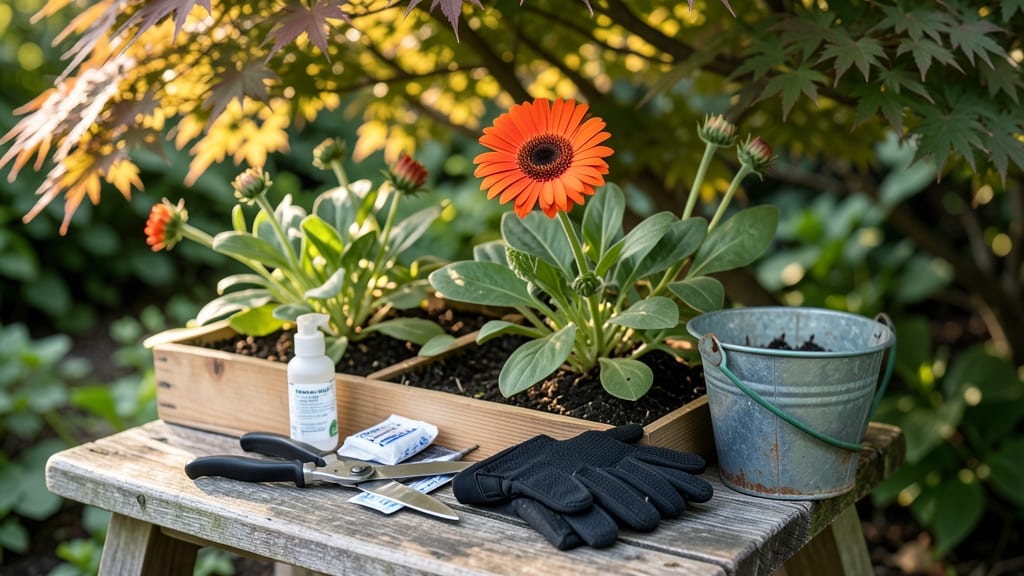
Pruning daisy plants isn’t just about cutting back—it’s the secret to nonstop blooms all season long. 🌼 I’ve turned my once-sparse daisy bushes into vibrant, flower-covered shrubs by mastering just three simple cuts: deadheading, seasonal shaping, and renewal pruning.
The best part? You can do it year-round with the right timing and technique.
Start with basic tools: sharp bypass pruners for clean cuts, gloves to protect your hands, and a bucket for spent blooms.
The key moves are cutting just above a leaf node at a 45-degree angle and removing only what’s dead or spent—never more than a third of the plant at once. My daisies now produce double the flowers compared to when I ignored pruning entirely.
After pruning, give your plants a drink of water and watch as new shoots emerge within 7-10 days. The foliage stays lush, the stems stay strong, and you avoid the leggy, sparse look that happens when you skip maintenance. Even my black thumb can’t mess this up.
Works for gerbera daisies, shasta daisies, and oxeye daisies alike—just adjust the timing for your climate. Here’s how to keep them blooming from spring through frost.
📚 In This Guide
- What you need
- Instructions
- Tips and common mistakes
- Wrapping up and next steps
What you need
- ● Pruning shears – Sharp, bypass-style shears (4- to 6-inch blades) for clean cuts. Dull blades crush stems, stressing the plant.
- ● Garden gloves – Thick, cut-resistant gloves (e.g., leather or heavy-duty nitrile) to protect your hands from thorns and rough stems.
- ○ Disinfectant (optional but recommended) – Rubbing alcohol (70%+ isopropyl) or a 10% bleach solution to sterilize tools between cuts and prevent disease spread.
- ● Pruning saw (for large stems) – Only if your daisies have thick, woody stems (e.g., Shasta daisies). A folding pruning saw with a 7- to 8-inch blade works best.
- ● Garden twine or plant ties – For supporting heavy stems after pruning (e.g., ¼-inch-wide twine or soft plant ties).
- ● Compost bin or mulch – To dispose of pruned stems (avoid leaving them on the soil to prevent pests or disease).
- ● Hand lens or magnifier – For spotting pests or diseases on stems/leaves before pruning.
- ● Plant marker or labels – If pruning hybrid varieties to track which stems belong to which plant.
- ● Hose with nozzle – To rinse tools and clean up debris after pruning.
- ● Fertilizer (balanced, 10-10-10 or slow-release) – Apply post-pruning to encourage new growth (follow package rates).
Step-by-step guide to pruning daisy plants for full, healthy growth
Here's the method I swear by to keep daisies blooming all season—no deadheading stress, just happy plants.
✂️ Step 1: Deadhead Spent Blooms for Continuous Flowers
Start by pinching off faded blooms at their base where the stem meets the foliage. This prevents seed formation and redirects the plant's energy into producing new flowers instead. I like to do this first thing in the morning when the blooms are still crisp—it's easier to spot the ones ready to go.
Use clean, sharp pruners or even your fingers for small stems. Cut just above a set of healthy leaves or a leaf node, never leaving a stub. You'll see fresh buds forming within a week—that's your reward for this simple step. If you wait too long, the stem will turn woody and the plant won't respond well.
✂️ Step 2: Trim Leggy Growth in Early Spring
After winter, daisies often grow leggy with sparse foliage. In early spring, cut back any stems that look weak or overgrown by about one-third of their height. This encourages bushier growth and prevents the plant from becoming top-heavy.
Focus on stems that are stretching toward the sun or have fewer leaves. You'll notice new shoots emerging from the base within 2-3 weeks—that's the plant's way of saying thanks. Avoid cutting into old wood or bare stems, as these won't regrow. If you're unsure, wait until you see fresh green growth at the base.
☀️ Step 3: Thin Overcrowded Stems for Better Airflow
Daisies thrive when they have room to breathe. In late spring or early summer, look for stems that are rubbing against each other or growing too close together. Use your pruners to remove 1-2 stems per cluster, cutting them back to the base. This improves airflow and reduces the risk of fungal diseases.
You'll know you're doing it right when you see more space between stems and the foliage looks fuller. This step is especially important if your daisies are planted in a border or container where space is limited. After thinning, give the plant a light watering to help it recover.
✂️ Step 4: Light Pruning After Heavy Blooming Seasons
Once your daisies have finished their main blooming season, give them a light trim to tidy up. Cut back any stems that have lost their leaves or look tired by about half their length. This helps the plant prepare for winter and encourages a fresh flush of growth in spring.
I always do this in late summer or early fall, just before the first frost. Avoid heavy pruning at this time, as it can stress the plant. Instead, focus on removing only the most unsightly or damaged stems. You'll be amazed at how much healthier your daisies look the following spring.
⏰ Step 5: Clean Up Debris in Late Fall or Early Spring
Before winter sets in or as the new growing season begins, remove all dead leaves, stems, and debris from around your daisies. This prevents pests and diseases from overwintering in the garden. Use your pruners to cut back any remaining stems to about 2-3 inches above the ground.
You'll see fresh green shoots emerging from the base within 3-4 weeks in spring. This step is crucial for keeping your daisies healthy and vibrant year after year. Don't worry about making the plant look perfect—focus on removing only the dead or dying parts. Your daisies will thank you with a stunning display of blooms.
Tips & tricks for pruning daisy plants
These simple tricks will help you keep your daisies looking their best with minimal effort—and maximum impact.
Timing is Everything: I've found that pruning in the morning gives the best results. The blooms are still crisp, making it easier to spot which ones are ready to be removed. Plus, any fresh cuts will have plenty of daylight to heal and promote new growth. If you must prune later in the day, wait until at least 2 hours before sunset to allow the plant to recover.
Tool Selection Matters: Don't underestimate the importance of sharp tools! Dull pruners can crush stems and create jagged cuts that invite disease. I keep a pair of clean, sharp pruners dedicated just for my daisies. For small stems, your fingers work perfectly—just make sure your nails are trimmed to avoid tearing the plant. Sterilize your tools with rubbing alcohol between uses to prevent spreading any potential pathogens.
Seasonal Strategy: In Step 2, when you're trimming leggy growth in early spring, focus on cutting just above a leaf node or set of healthy leaves. This creates a natural growth point for new shoots. I like to make these cuts at a slight angle to help water run off, preventing rot. For Step 5's cleanup, if you're unsure about what to remove, use the "twist test"—gently twist a stem. If it comes away easily, it's dead and should be removed.
Watering Wisdom: After any significant pruning (especially in Steps 2 and 3), give your daisies a light watering. This helps the plant recover from the stress of cutting. I water at the base rather than overhead to prevent fungal issues. For container-grown daisies, you might need to water more frequently after pruning since they have less root space to store moisture.
Pro Tips for Prune A Daisy Plant
- These simple tricks will help you keep your daisies looking their best with minimal effort—and maximum impact.
- Timing is Everything: I've found that pruning in the morning gives the best results.
- Tool Selection Matters: Don't underestimate the importance of sharp tools!
Frequently asked questions
Got questions about pruning daisies? You’re not alone! Here are answers to the most common concerns—so you can keep your plants thriving with confidence.
When is the best time to prune daisies?
Prune daisies after they bloom (late summer to early fall) to encourage new growth. For perennial varieties, a light trim in early spring (before new shoots emerge) helps shape the plant. Avoid heavy pruning in winter unless your climate demands it—daisies are tough but not frost-proof!
How much should I cut back daisy plants?
For most daisies, trim back 1/3 of the plant’s height to promote bushiness. Deadhead spent blooms by snipping just above the next set of leaves (about 1/4 inch up). If your daisies are overgrown, you can cut them back by half—but do it gradually to avoid shocking the plant.
Can I prune daisies in the summer?
Yes, but strategically! Lightly prune in summer to remove dead or yellowing leaves and encourage new blooms. Avoid heavy cuts during peak heat (July-August)—this can stress the plant. Instead, focus on deadheading spent flowers to redirect energy to fresh blooms.
What if my daisies don’t bloom after pruning?
Lack of blooms often means over-pruning or poor nutrition. Check your plant’s needs:
- Are you cutting too late in the season?
- Is the soil nutrient-deficient? Feed with a balanced fertilizer (10-10-10) in spring.
- Are pests or disease present? Inspect leaves for signs like holes or discoloration.
Do I need special tools to prune daisies?
Not necessarily! While sharp pruning shears or bypass pruners make the job easier, you can use clean, disinfected scissors or even your fingers for deadheading. Just ensure your tools are sterilized (rubbing alcohol works) to prevent spreading disease.
Wrapping up and next steps
Pruning your daisy plants doesn’t have to be intimidating—with the right tools, timing, and technique, you’ll unlock a bushier, more vibrant garden that blooms longer and stronger! 🌸 Whether you’re trimming for shape, health, or encouragement, remember: confidence grows with practice.
Start small, observe your plant’s response, and soon you’ll be a pruning pro.
Now that you’re armed with these tricks, why not take it a step further? Try experimenting with deadheading for even more flowers or explore companion planting to boost your daisies’ growth. Happy gardening—your blooms are cheering you on! 🌿✨