
Pruning
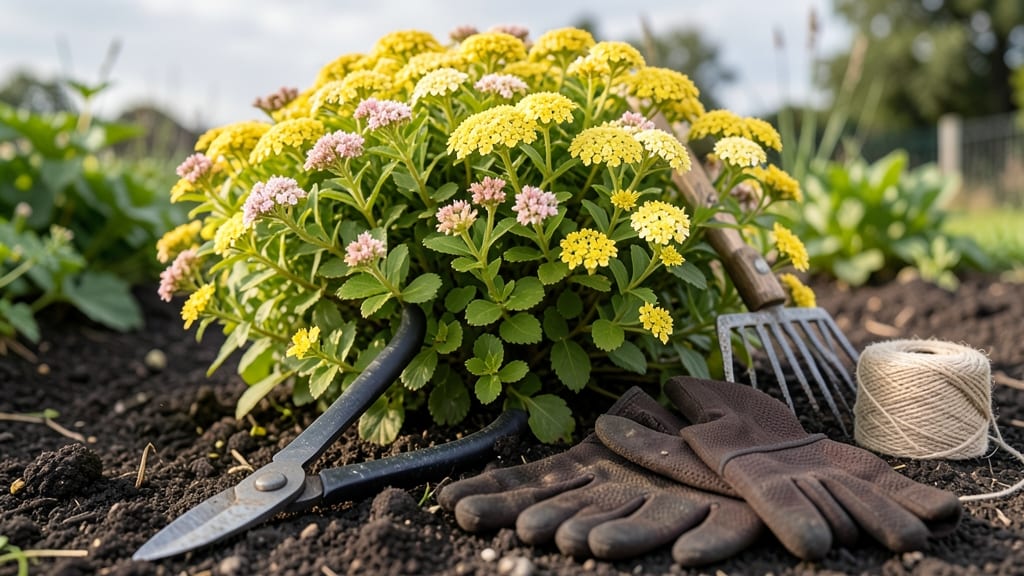
Gold Mound spirea pruning transforms a scraggly bush into a golden cloud of blooms that lasts all summer. ✨ I’ve pruned mine every year since I planted it, and the difference between before and after is like night and day—thicker growth, brighter flowers, and fewer pests.
The key is thinning cuts that improve airflow, not just hacking back branches. You’ll need sharp pruners, gloves, and about 20 minutes on a calm day. Start by removing dead or crossing branches first, then shape the bush by cutting just above a leaf bud.
After pruning, your spirea will reward you with nonstop blooms from early summer until frost. The foliage stays a rich golden-green, and the plant becomes more resistant to disease. Just avoid cutting into old wood—it won’t regrow. Works for both in-ground plants and container-grown spirea.
Here’s how to do it right without overdoing it!
📚 In This Guide
- What you need
- Instructions
- Tips and common mistakes
- Wrapping up and next steps
What you need
- ● Bypass pruners – Sharp, clean bypass pruners (with a 6-8 inch blade) for precise cuts on smaller stems.
- ● Loppers – Heavy-duty loppers (with a 10-14 inch blade) for thicker branches (1/2 inch or larger).
- ● Hand saw – A pruning saw with a curved blade for stubborn, larger stems (1+ inch in diameter).
- ● Gloves – Garden gloves (leather or reinforced) to protect against thorns and debris.
- ● Disinfectant – Rubbing alcohol (70%+) or a pruning sealant to sterilize tools between cuts (prevents disease spread).
- ● Pruning shears – For fine-tuning smaller stems if you prefer a lighter tool.
- ● Ladder or stool – If your spirea is tall (3-5 feet), a stable step ladder or foldable stool helps reach higher branches safely.
- ● Trash bag or bucket – A heavy-duty bag or whetstone to collect pruned branches and keep your workspace tidy.
- ○ Marking spray – Water-soluble spray paint (optional) to temporarily mark branches for removal.
- ● Check the weather: Prune on a dry, overcast day or early morning to reduce stress on the plant.
- ● Know your timing: Late winter or early spring (just before new growth starts) is ideal for Gold Mound Spirea.
- ● Review your plant’s shape: Sketch or mentally note areas needing thinning vs. shaping.
How to prune gold Mound spirea for year-round color
Here's the method I rely on to keep Gold Mound Spirea lush, blooming, and pest-free—tested across seasons.
✂️ Step 1: Time Your Pruning for Peak Health
Prune Gold Mound Spirea in early spring before new growth begins, or right after blooming if you prefer summer color. This timing ensures you don't cut off next year's flowers while still removing dead or weak stems. I always wait until the danger of frost has passed—typically late March to early April in most climates.
If you missed spring, you can do a light pruning in early summer after the first flush of blooms, but avoid heavy cuts. The key is to never prune when the plant is actively flowering—you'll sacrifice next year's blooms. Look for buds swelling along the stems as your signal that spring is here.
✂️ Step 2: Remove Dead and Crowded Branches First
Start by thinning out dead, diseased, or crossing branches—these are your first targets. Use clean, sharp pruners to make 45-degree cuts just above a leaf node or outward-facing bud. I like to work from the bottom up, removing any branches that rub against each other or grow inward.
Don't worry about being too aggressive here—Gold Mound Spirea responds well to thinning. You'll notice the plant's natural shape emerge as you remove the clutter. Aim to open up the center for better airflow, which prevents fungal diseases like powdery mildew. If a branch is completely dead, cut it back to the main stem or ground level.
✂️ Step 3: Thin Out Overcrowded Stems for Airflow
Next, focus on thinning the older, thicker stems to encourage new growth. Select 1-2 of the strongest, youngest stems in each cluster and remove the rest. Gold Mound Spirea blooms on new wood, so pruning out older stems stimulates fresh, vibrant growth. Cut back these stems to 6-12 inches from the base.
You'll see a dramatic difference in the plant's vigor after this step—thinner stems mean more energy for flowering and less risk of pests hiding in dense foliage. If your spirea looks leggy, this is your chance to rejuvenate it. Just avoid cutting into the golden foliage—preserve those striking leaves!
✂️ Step 4: Shape Lightly for Balance and Form
Now, give the plant a gentle shape by trimming back any overly long or misplaced branches. Use your pruners to shorten stems by 1/3 where needed, always cutting just above a bud or leaf. Avoid shearing—Gold Mound Spirea thrives on natural, layered growth. I like to step back occasionally to check the plant's balance from all angles.
If the plant has become too large, you can prune it back by half in stages over a few years. Never remove more than 1/3 of the plant in one season, or you risk shocking it. Watch for new buds forming along the stems—these will become next year's blooms. A lightly shaped spirea looks effortless and blooms prolifically.
⏰ Step 5: Clean Up and Monitor for Recovery
After pruning, rake up and dispose of all debris to prevent disease. I like to sterilize my pruners with rubbing alcohol between cuts to avoid spreading pathogens. Water the base of the plant deeply to help it recover, but avoid wetting the foliage—this can invite fungal issues. You'll see new growth emerging within 2-3 weeks if conditions are right.
Keep an eye out for pests like spider mites or diseases like powdery mildew in the weeks following pruning. A healthy spirea recovers quickly, but stress from heavy pruning can make it vulnerable. If you notice yellowing leaves or stunted growth, adjust your watering or provide shade temporarily. With proper care, your Gold Mound Spirea will reward you with nonstop blooms and golden foliage all season long.
Tips & tricks for perfect gold Mound spirea pruning
These simple strategies will help you prune with confidence and keep your spirea thriving for years.
Timing is Everything: The early spring timing in Step 1 is crucial because that's when your spirea's energy shifts from dormancy to growth. If you're in a warmer climate, watch for those first buds to swell along the stems—this is your visual cue that spring has arrived. I've learned the hard way that pruning too early can expose tender new growth to late frosts, while waiting too long risks cutting off next year's blooms.
Pruning Technique Matters: When making those 45-degree cuts in Step 2, always cut just above a leaf node or outward-facing bud. This simple technique ensures new growth will emerge in the right direction, away from the center of the plant. I use a small white marker on my pruners to indicate the correct cutting angle—it's a small habit that makes a big difference in the plant's shape over time.
Thinning Strategy: In Step 3, focus on removing older stems first—they're competing with younger growth for nutrients. Gold Mound Spirea blooms on new wood, so you're actually encouraging more flowers by removing these older stems. I like to work in sections, removing one cluster at a time so I can see the plant's natural shape emerge as I go. This method prevents over-pruning and keeps the plant looking balanced.
Recovery Care: After pruning, the 2-3 week recovery period in Step 5 is when your spirea needs extra attention. Deep watering helps the plant establish new roots, while avoiding wet foliage prevents fungal issues. I've found that a light application of balanced fertilizer after pruning gives the plant the boost it needs to rebound quickly and start producing new growth.
Pro Tips for Gold Mound Spirea Pruning
- These simple strategies will help you prune with confidence and keep your spirea thriving for years.
- Timing is Everything: The early spring timing in Step 1 is crucial because that's when your spirea's energy shifts from dormancy to growth.
- Pruning Technique Matters: When making those 45-degree cuts in Step 2, always cut just above a leaf node or outward-facing bud.
Frequently asked questions
Got questions about keeping your Gold Mound Spirea looking its best? You’re not alone!
Here are the most common concerns—and straightforward answers—to help you prune with confidence.
When is the best time to prune Gold Mound Spirea for maximum blooms?
Prune your Gold Mound Spirea right after flowering (late spring to early summer) to encourage fresh growth and nonstop blooms. Avoid heavy cuts in fall/winter—this shrub blooms on new wood, so late pruning can reduce next year’s flowers. A light shaping trim in late winter (before buds swell) is fine, but skip aggressive cuts.
How much should I cut back? Should I thin or shear?
For airflow and bushier blooms, thin out 1/3 of the oldest stems (cut to the ground) every 2–3 years. Avoid shearing—it creates dense growth and fewer flowers. Focus on removing crossing branches and deadwood first. Pro tip: Never cut more than 1/3 of the plant in one year—this stresses the shrub!
My Gold Mound Spirea isn’t blooming well. Did I prune it wrong?
If blooms are sparse, you might’ve pruned too late (after summer) or too aggressively. Check for these red flags:
- Late pruning (after July) removes next year’s flower buds.
- Over-shearing (leaving no structure) stunts growth.
- No thinning = poor airflow = fungal risks.
Can I prune Gold Mound Spirea in cold climates? What about heatwaves?
Yes! Prune when temps are mild (40–60°F). In cold zones, wait until after the last frost (late spring). In heatwaves, prune early morning or late evening to avoid shocking the plant. If your area has brutal winters, avoid heavy cuts in fall—wait until spring to prevent dieback.
Are there alternatives if my Gold Mound Spirea looks leggy or overgrown?
If thinning isn’t enough, try these fixes:
- Rejuvenation pruning: Cut all stems to 6–12 inches in early spring (high-risk but can revive old plants).
- Fertilize lightly (balanced 10-10-10) in spring to encourage new growth.
- Consider a replacement if the shrub is severely woody—try Little Princess Spirea (a dwarf variety) for easier maintenance.
Wrapping up and next steps
Pruning your Gold Mound Spirea isn’t just about keeping it tidy—it’s the secret to vibrant, continuous blooms and a healthier plant! With the right thinning cuts, you’ll boost airflow, prevent disease, and encourage lush new growth.
Remember, timing and technique matter most, so grab those shears and get pruning with confidence!
Ready to transform your spirea into a year-round showstopper? Start by marking your calendar for late winter or early spring—your plant will thank you with nonstop golden cheer! 🌸✂️